Where Great Recipes Become Great Content
From Test Kitchen to Marketing Library
Recipes are the only marketing content people actually want.
Every other asset a brand makes interrupts someone. A recipe helps them.
That single difference is why recipes outperform almost everything else you can put in front of a customer:
People save them. A save is the strongest signal there is — it means I want this again later. The algorithm notices. But more importantly, a marketing director should notice: a saved recipe is a customer who has voluntarily put your product in their pocket.
People share them. Nobody forwards a packshot. They forward dinner.
They solve a real problem, every single night. "What are we eating?" is a question your customer answers 365 times a year, usually while tired and standing in front of an open fridge. A brand that answers it becomes part of the routine — not an ad they scroll past, but a thing they rely on.
And they don't expire. A campaign image has a season. A good recipe gets found, cooked, and shared for years.
What we make
Great food content starts with a great recipe.
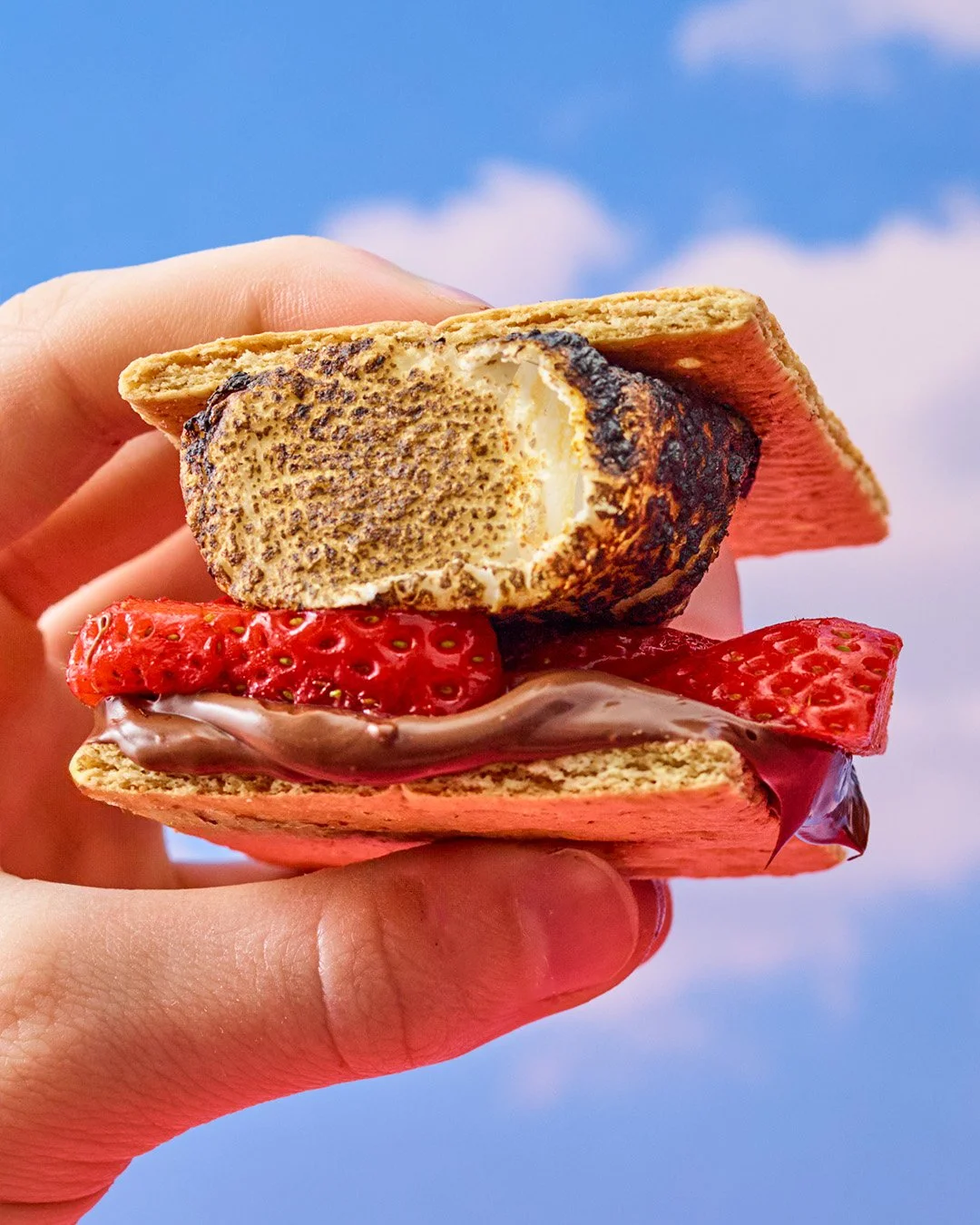
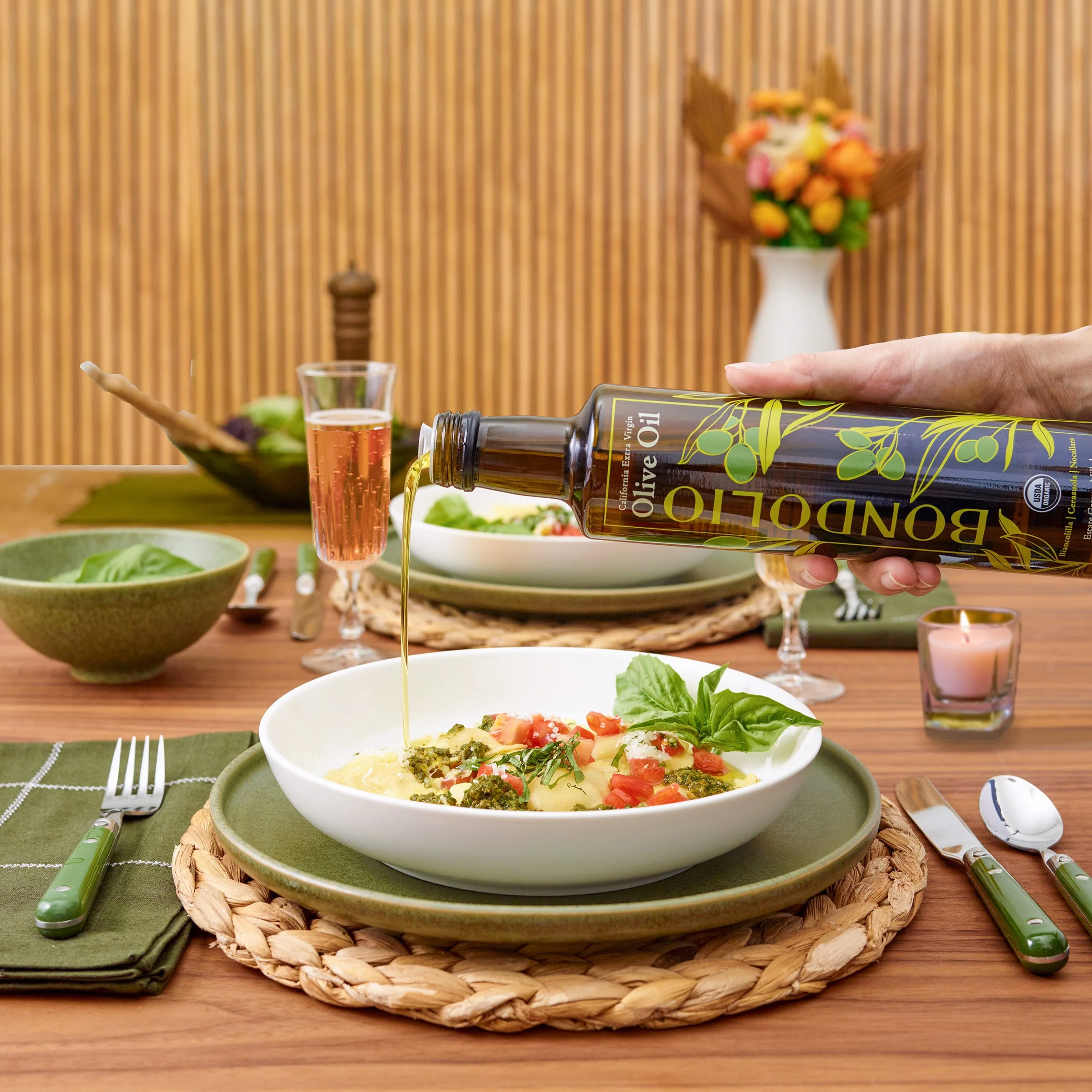
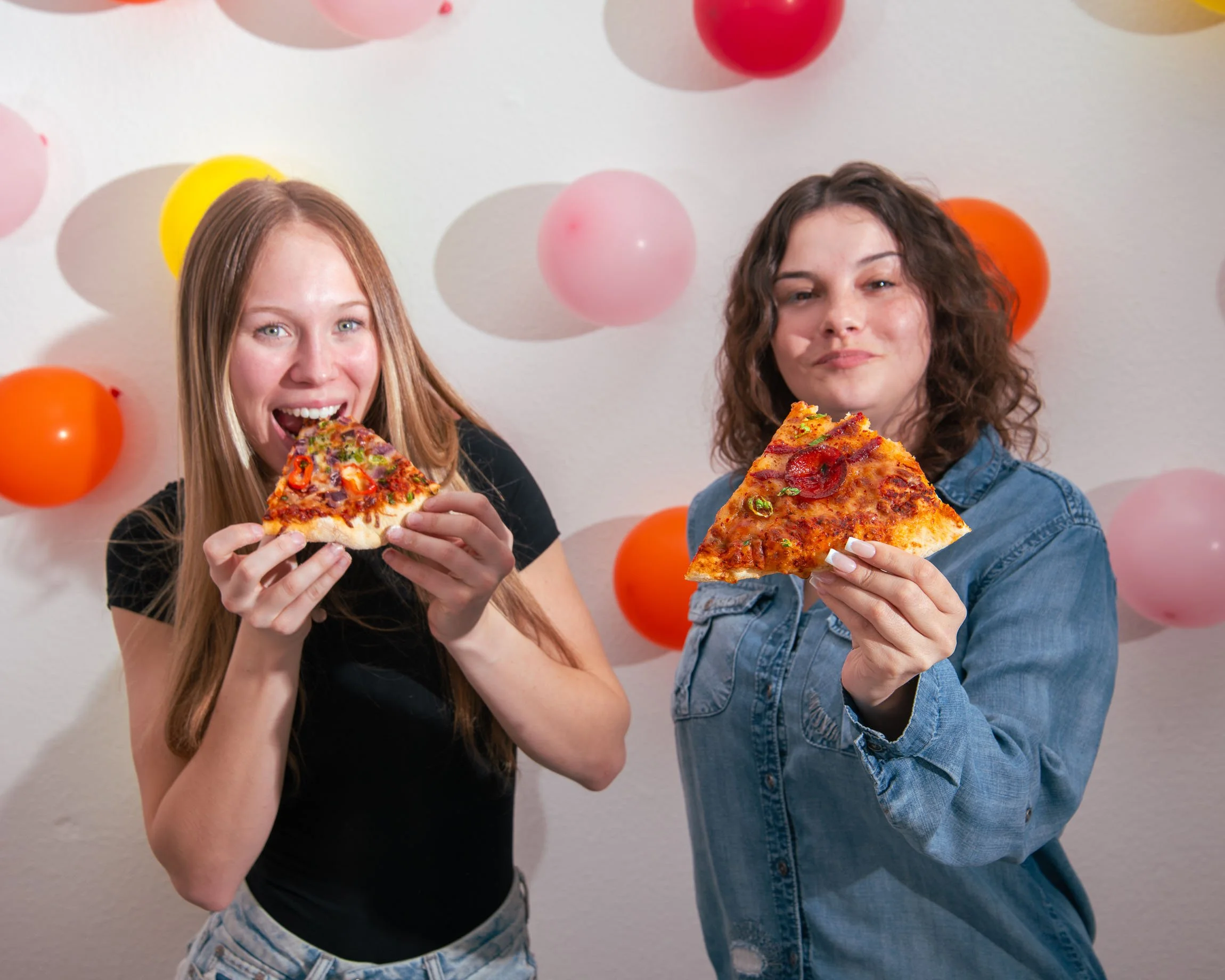
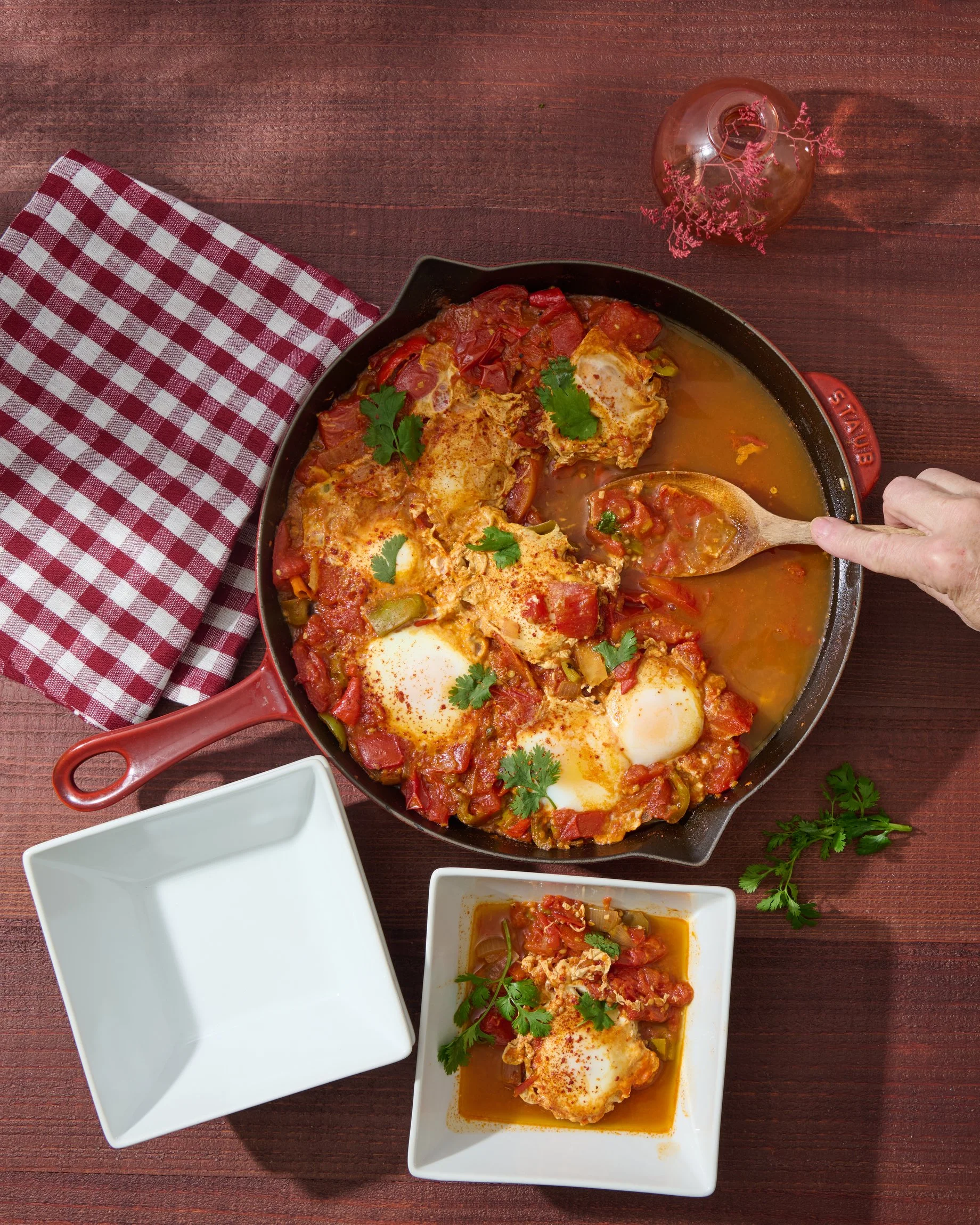
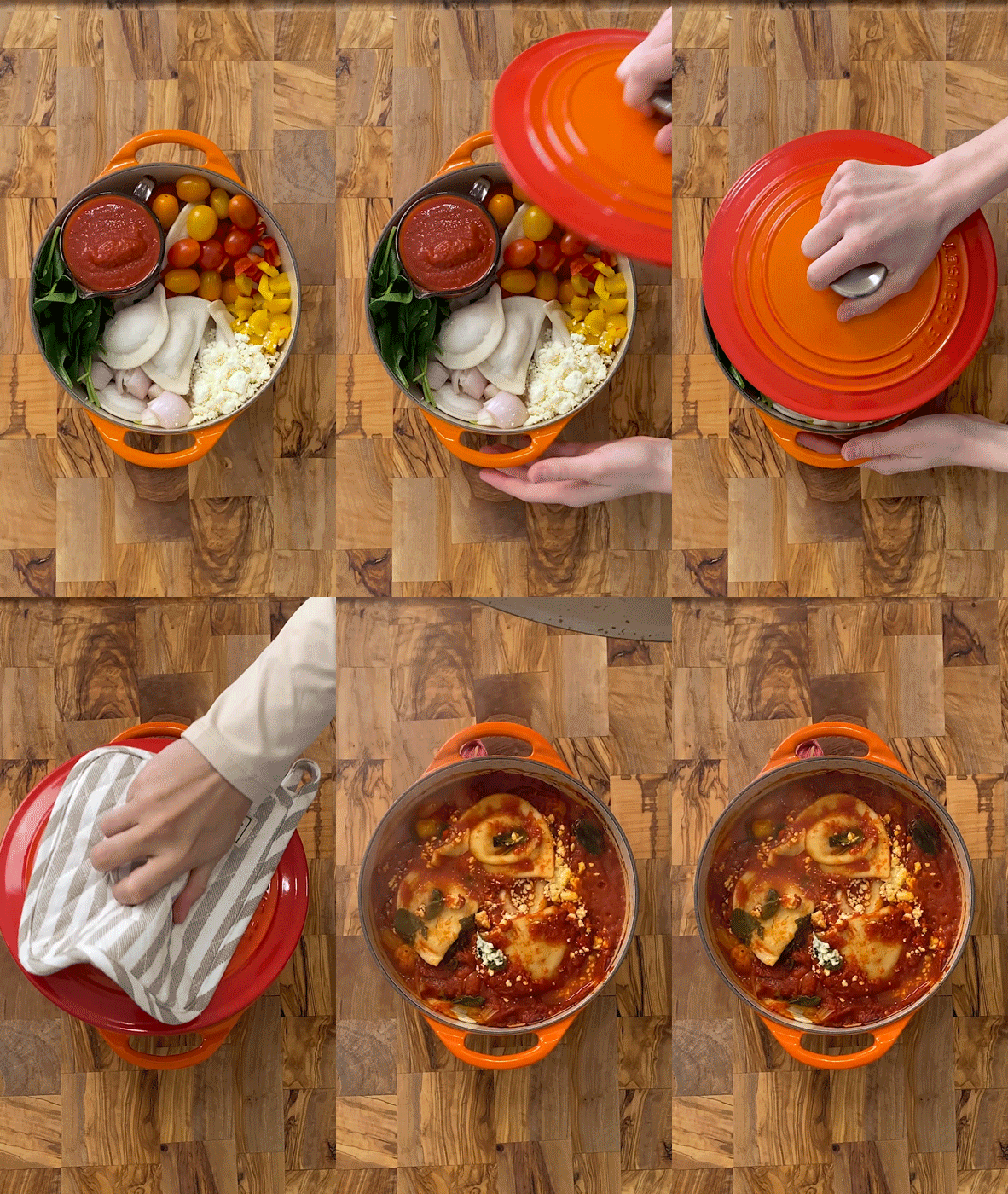
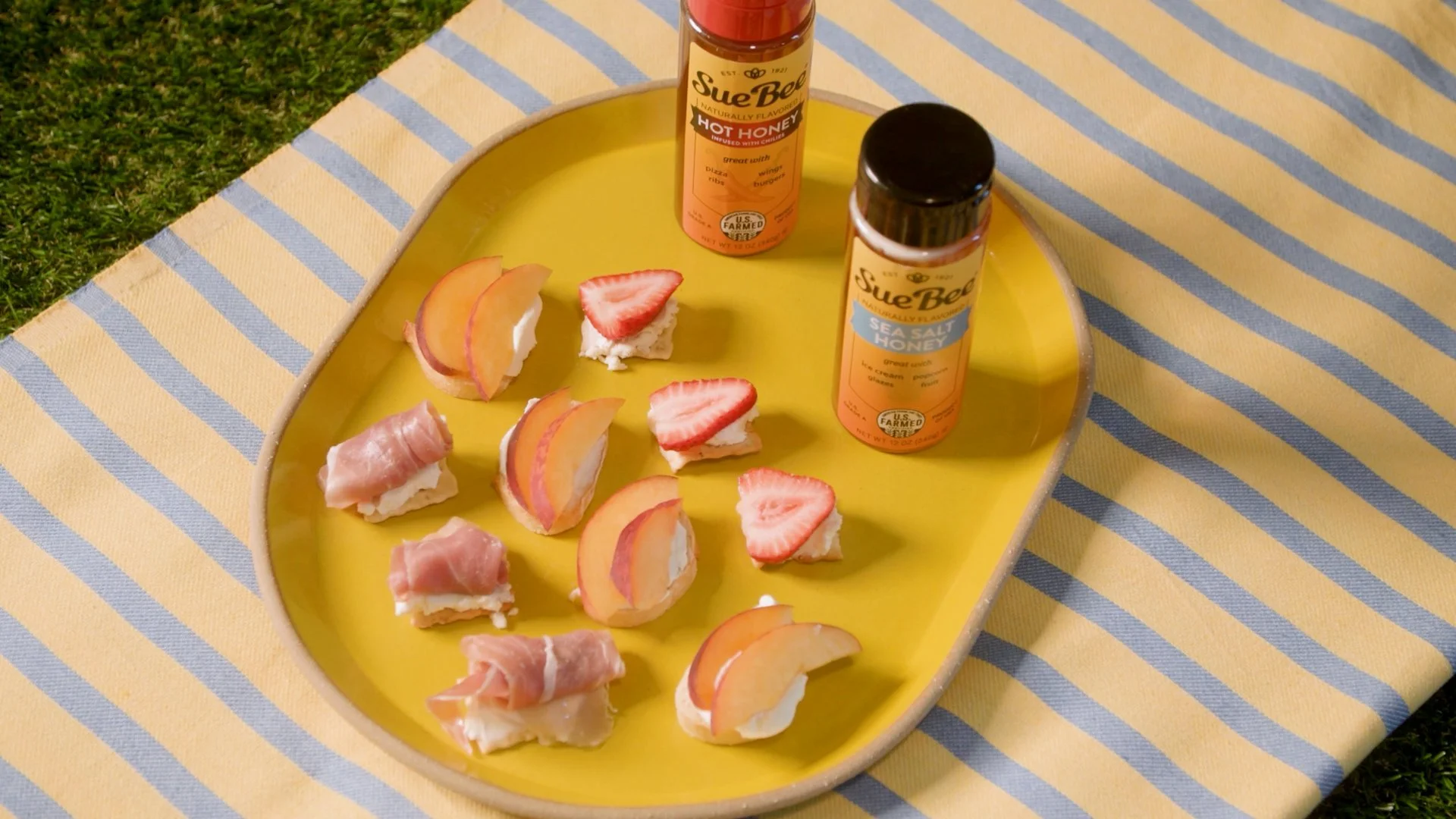
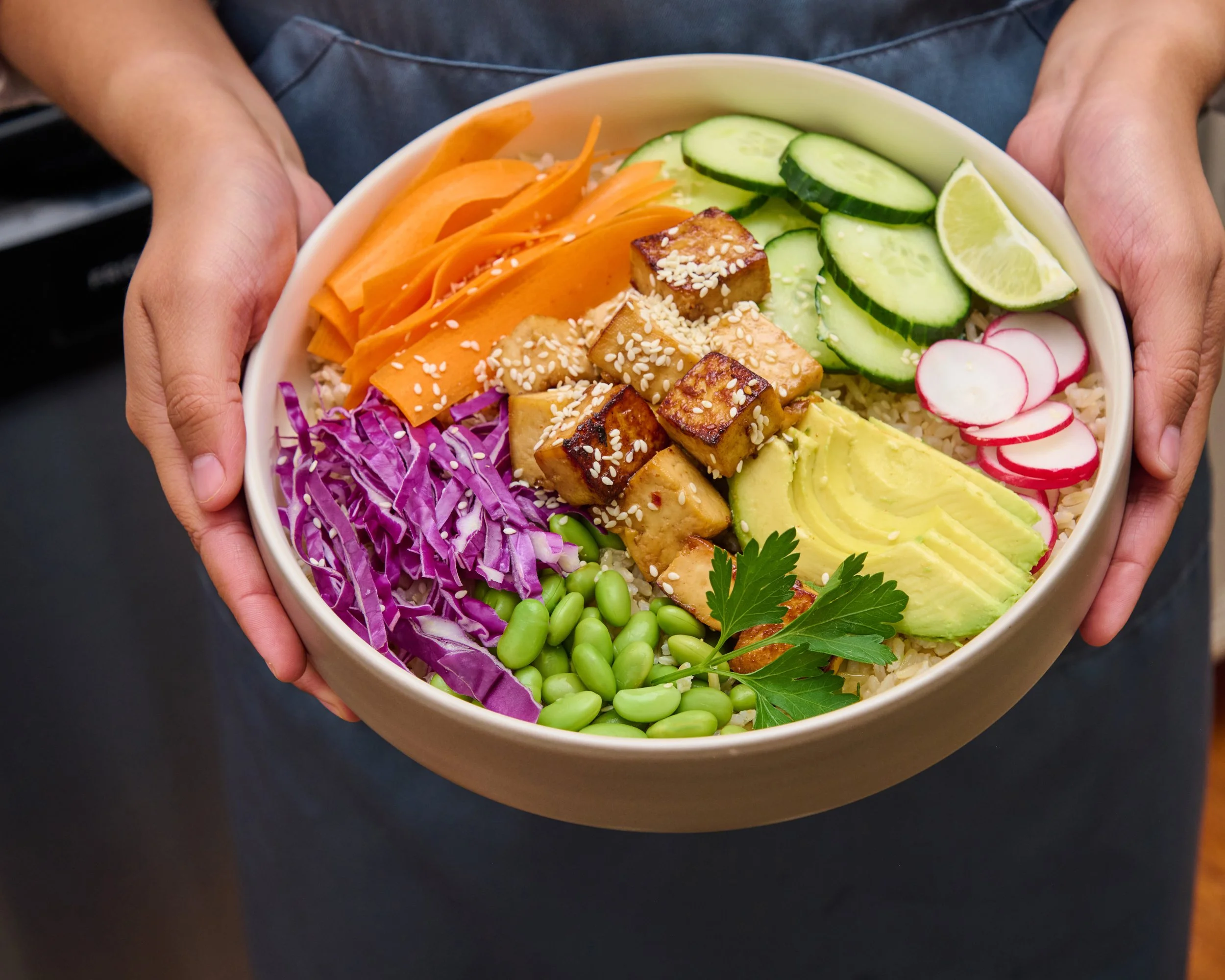
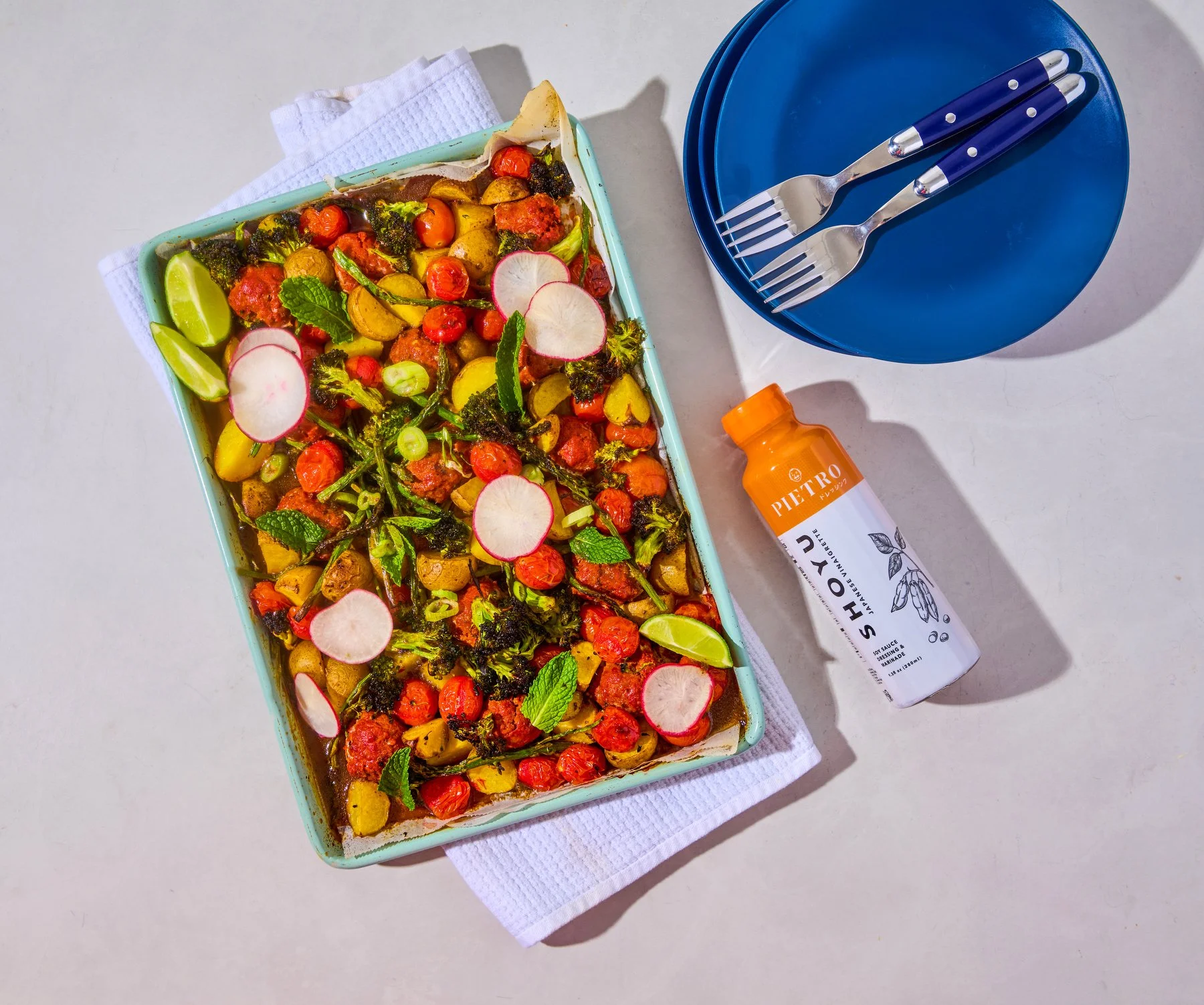
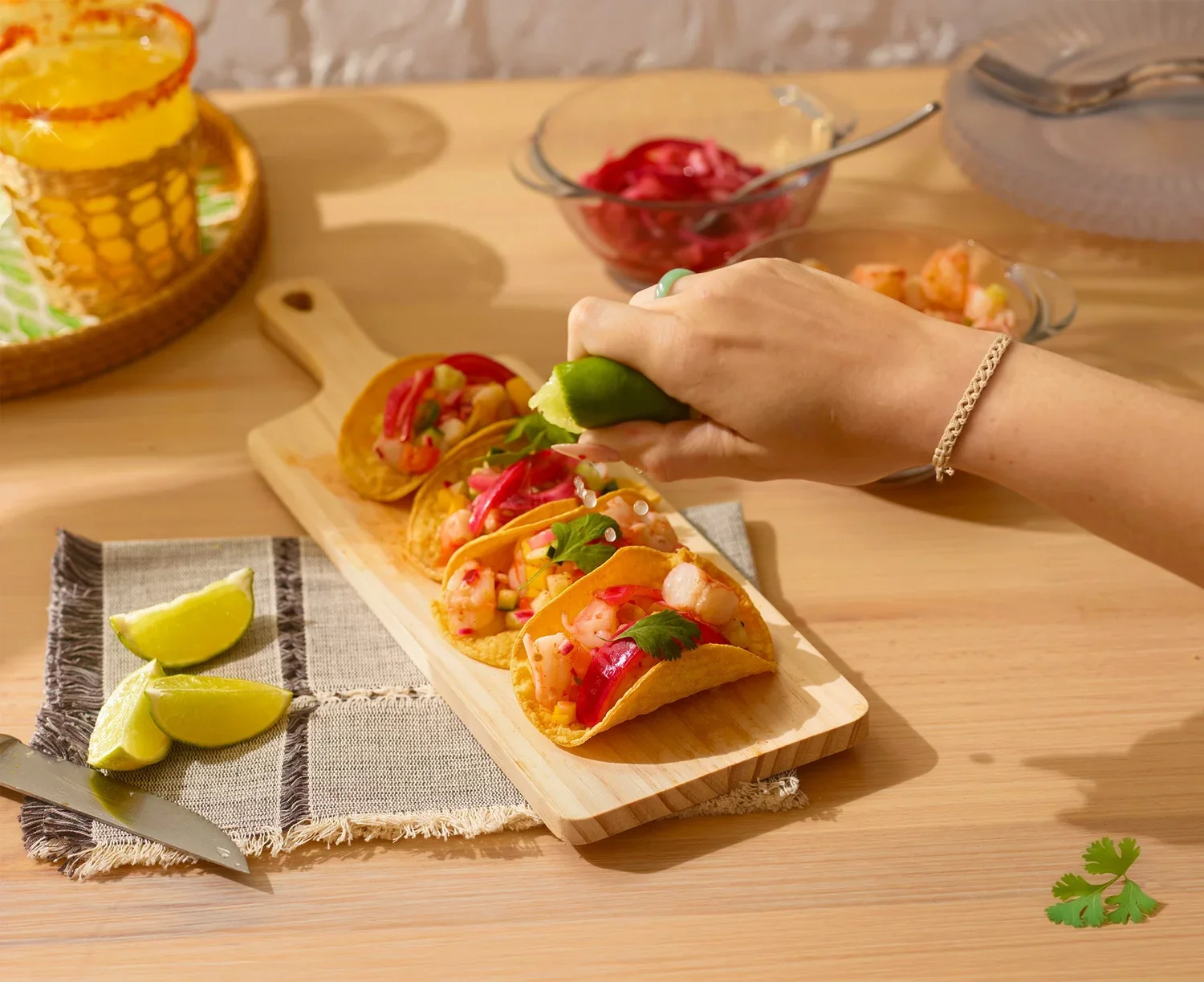
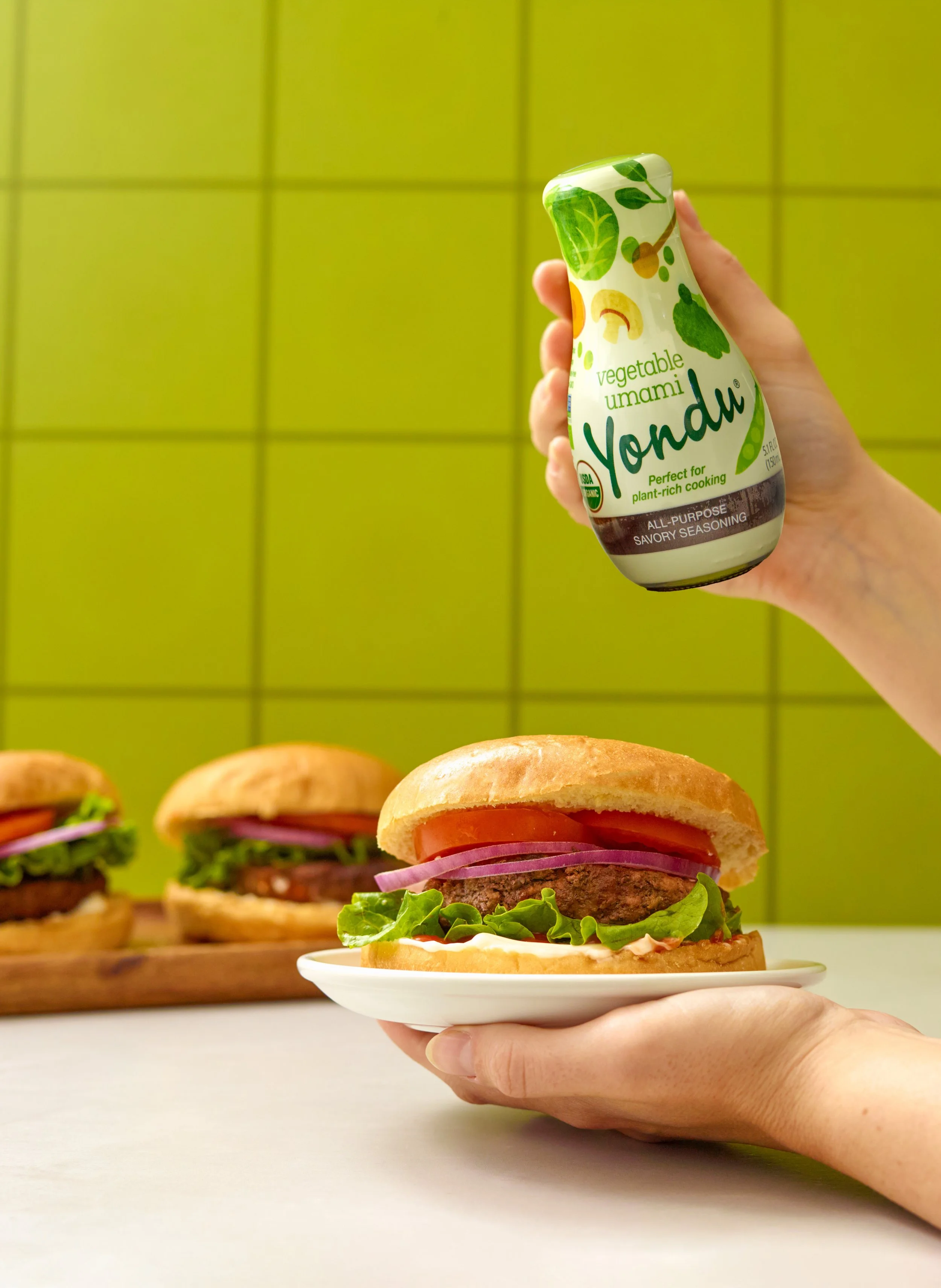
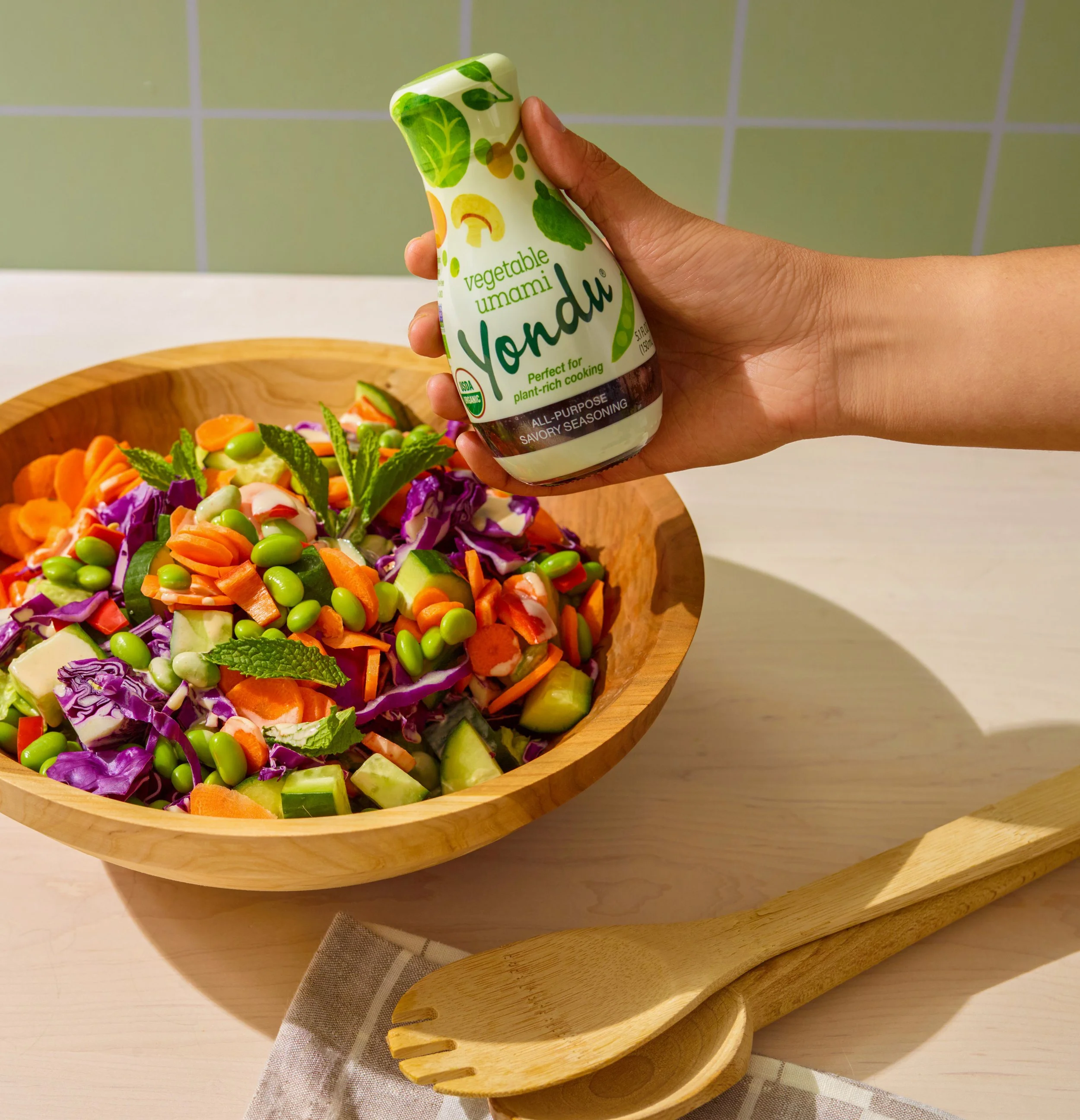
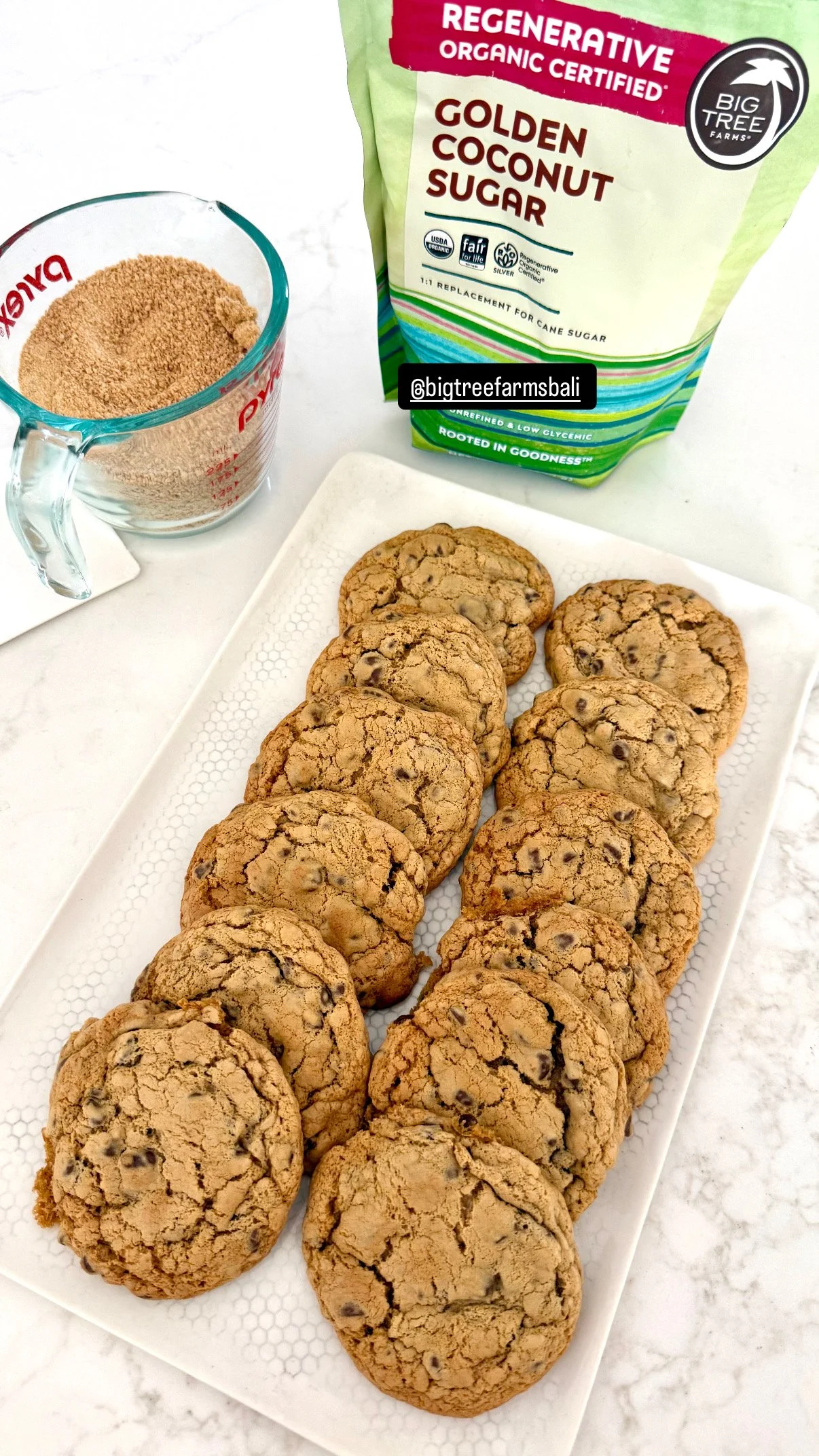
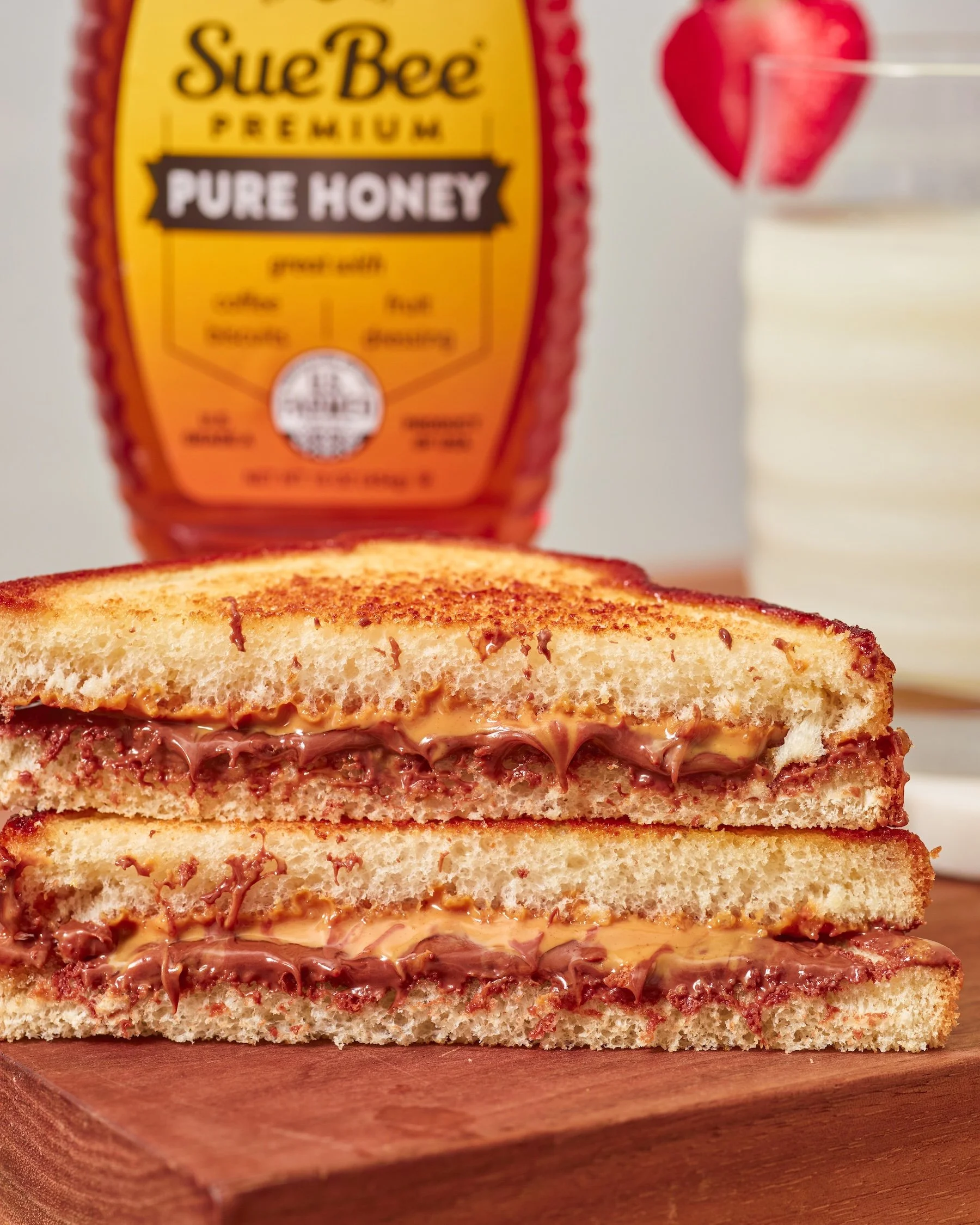
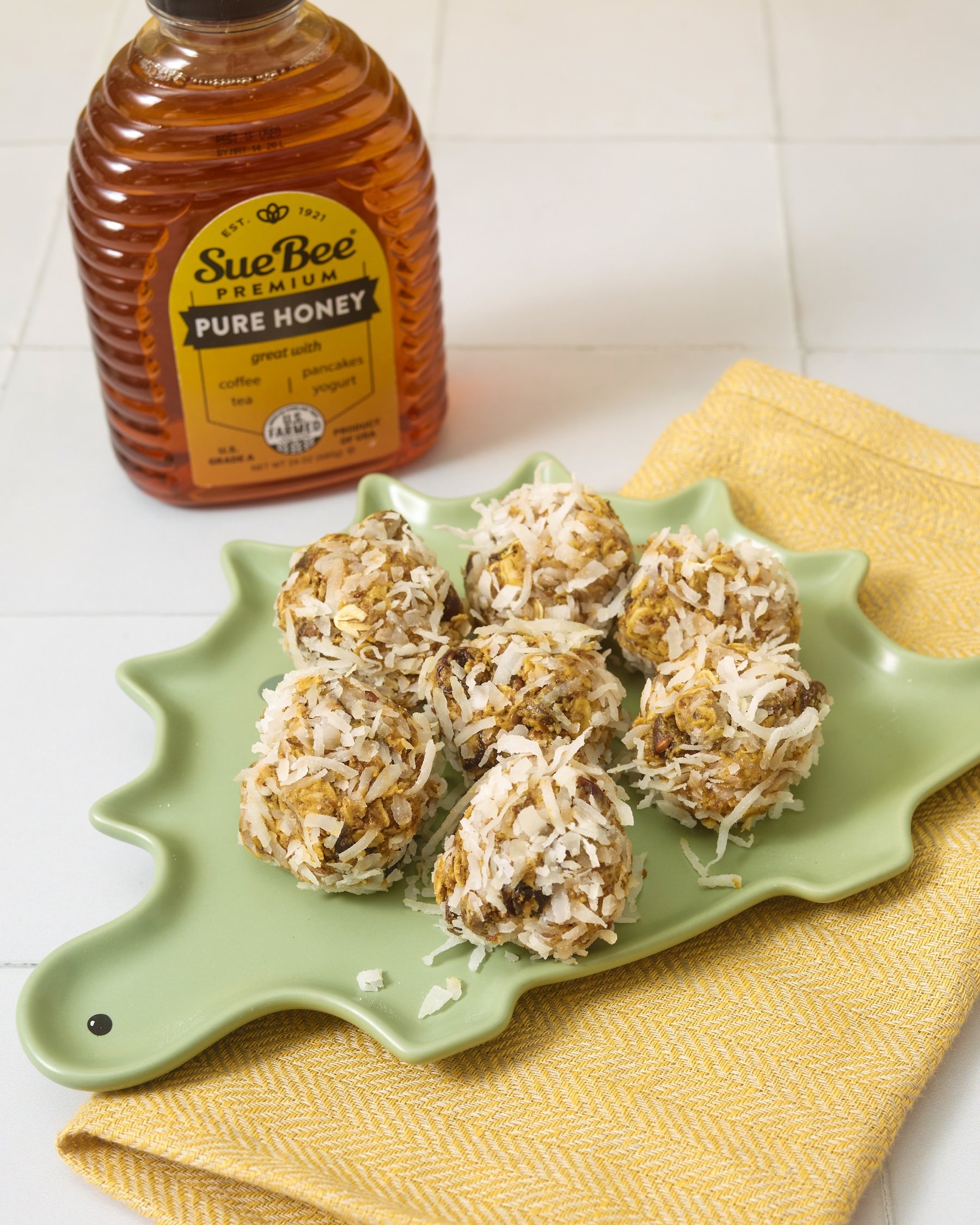
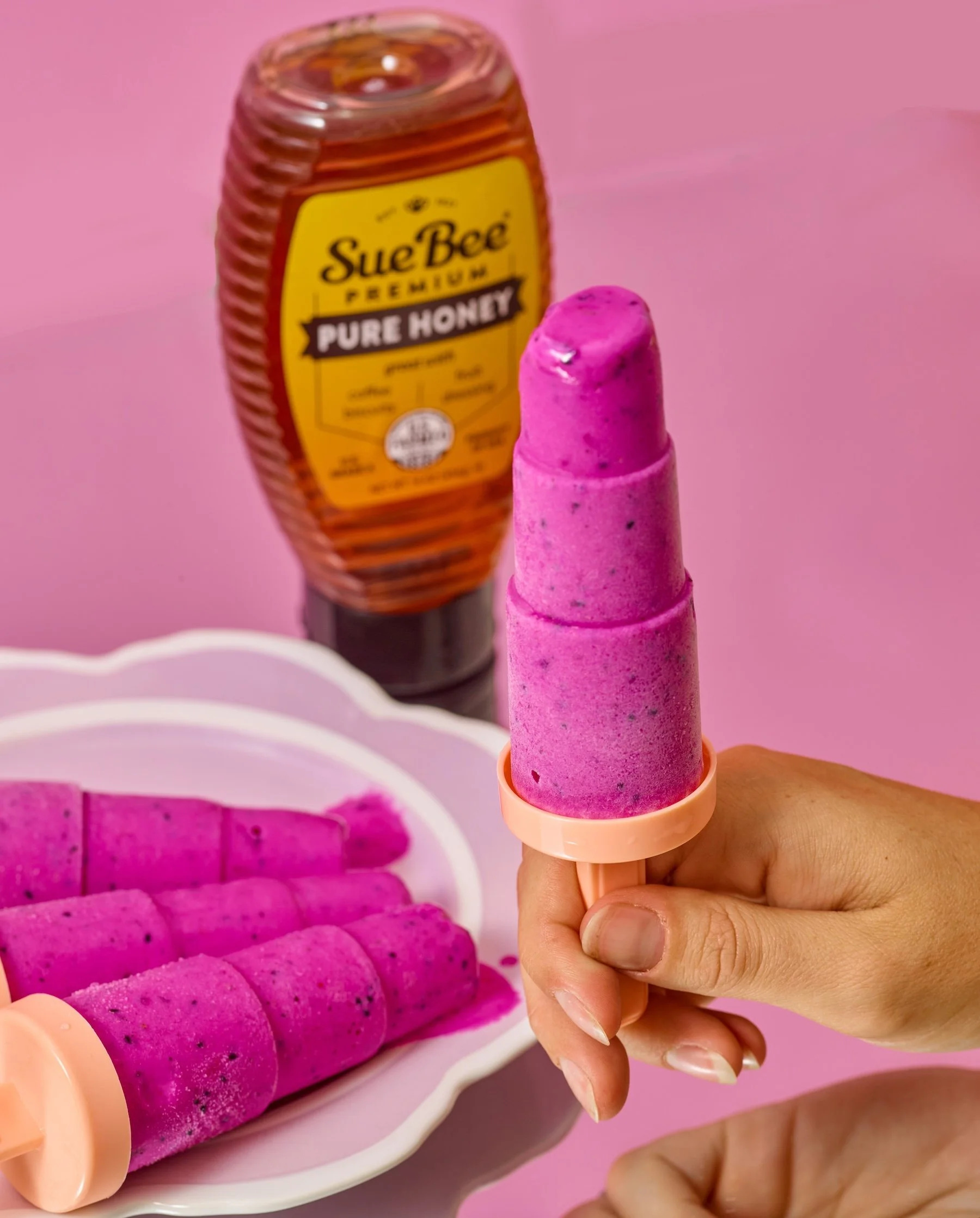
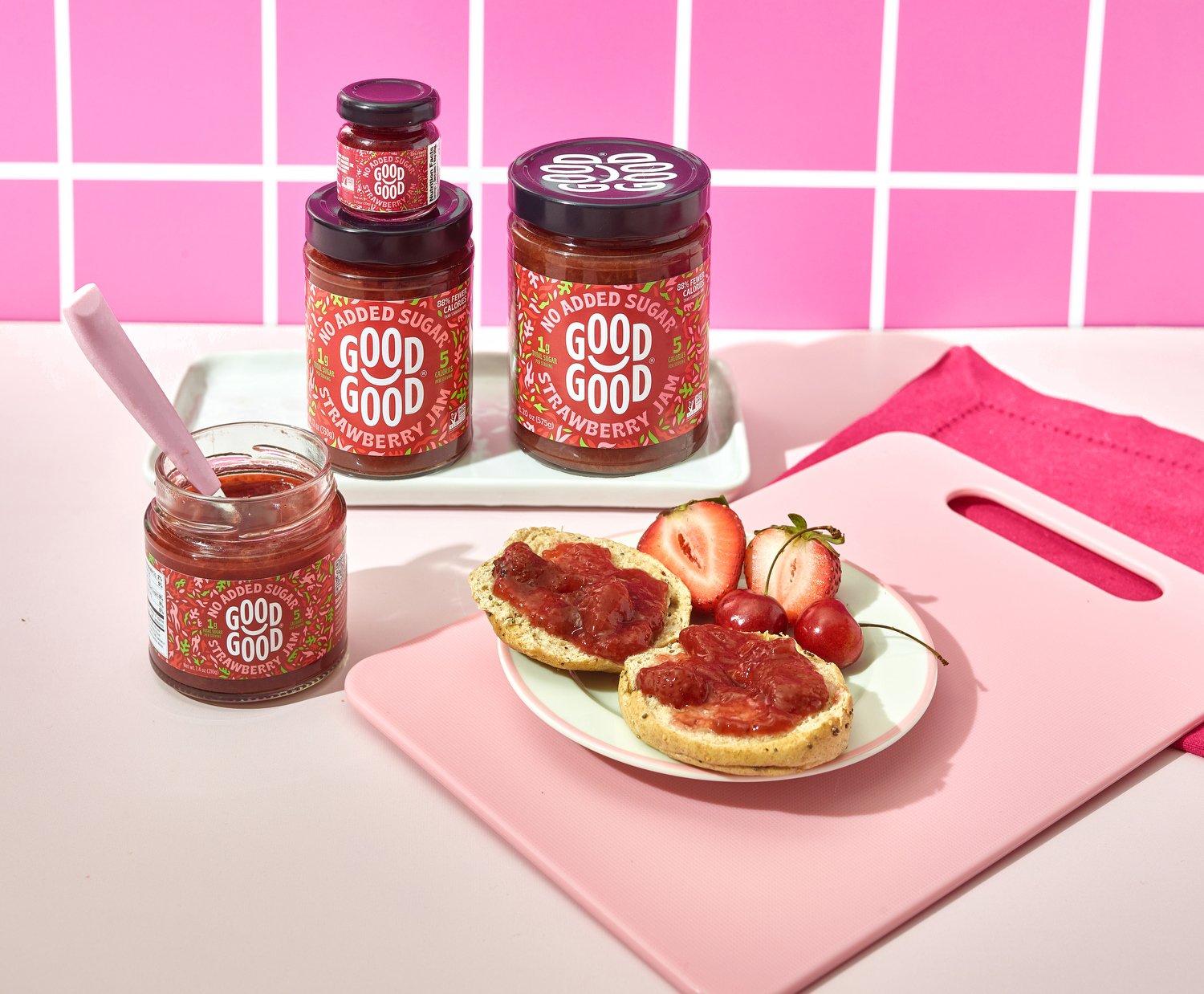
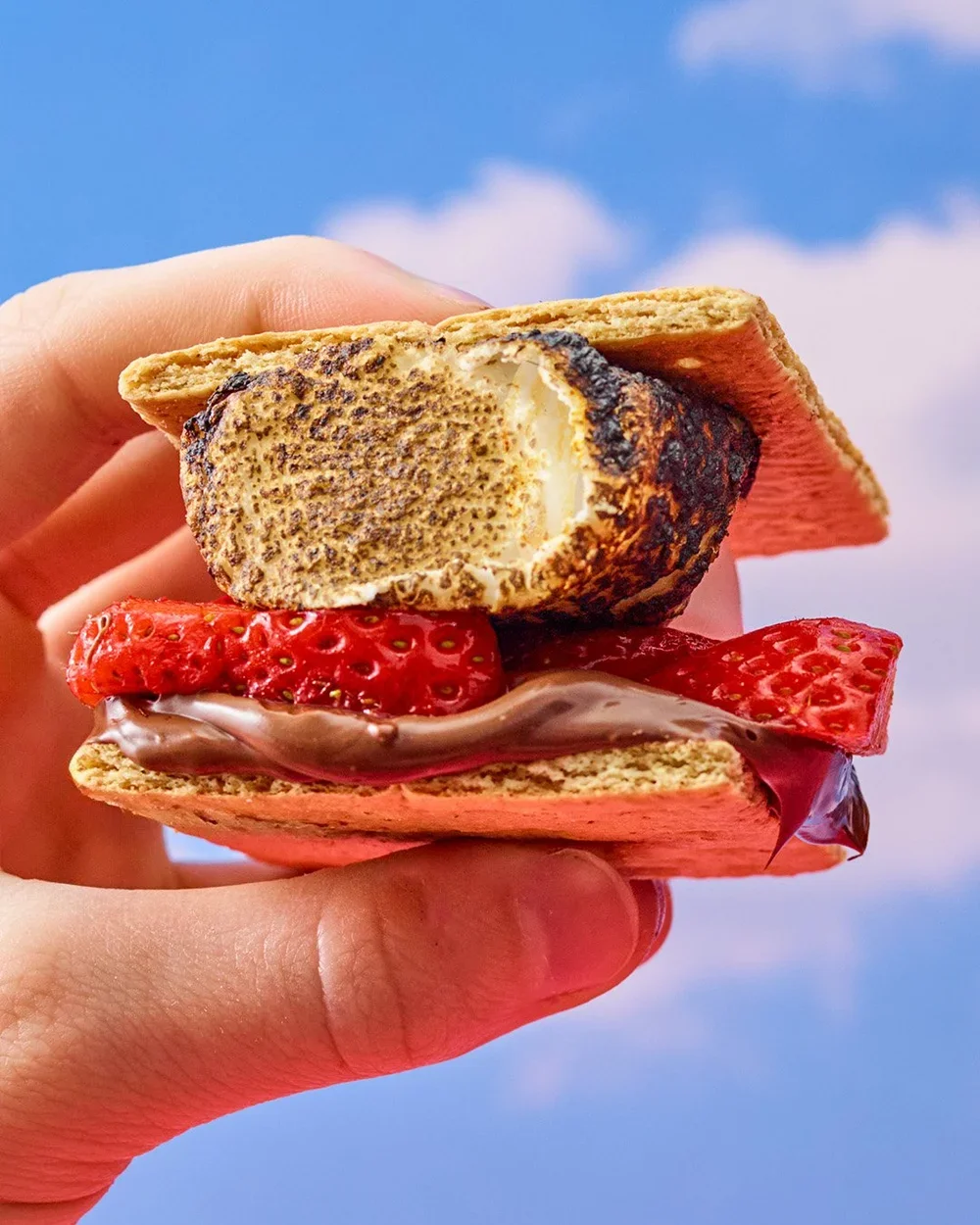
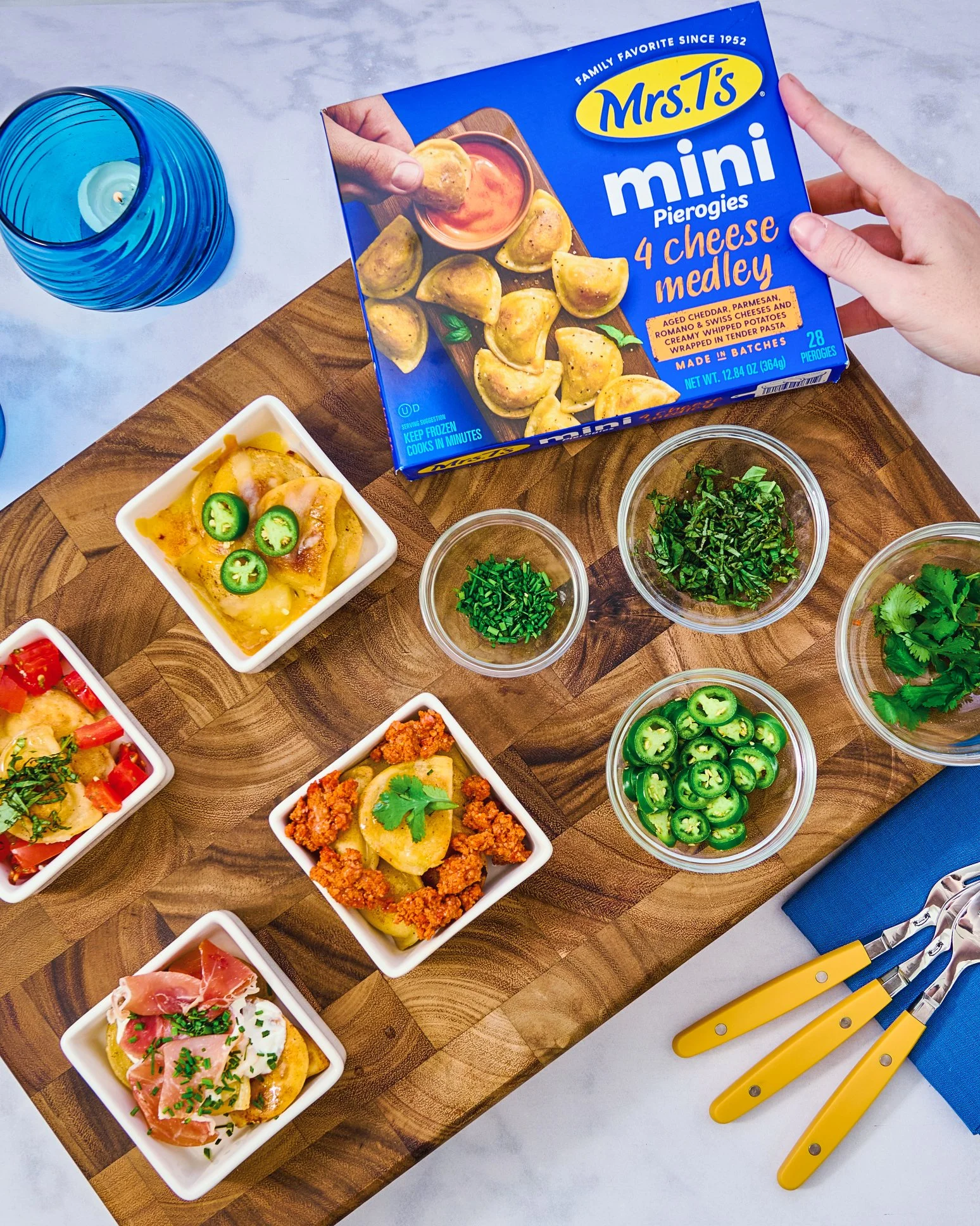
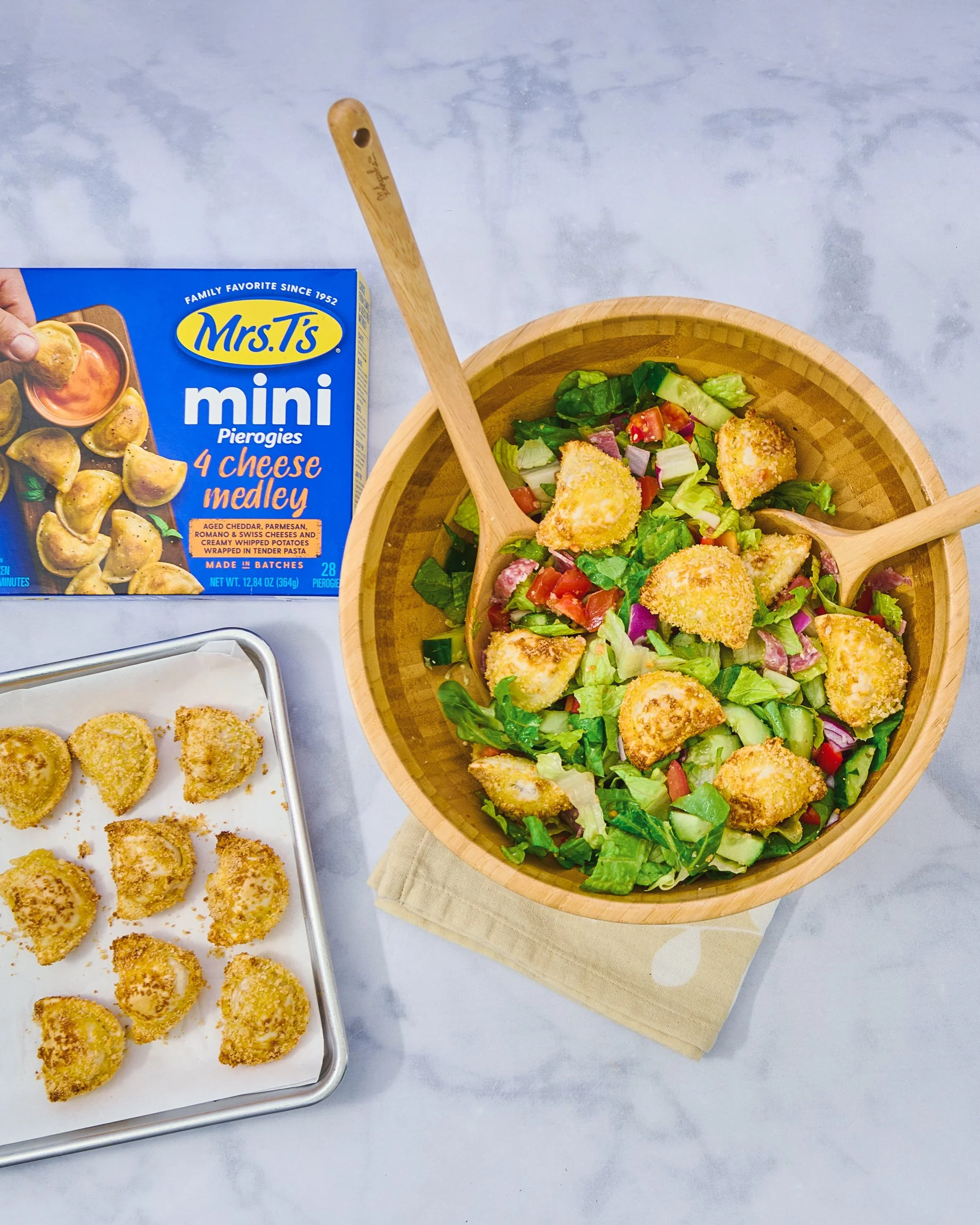
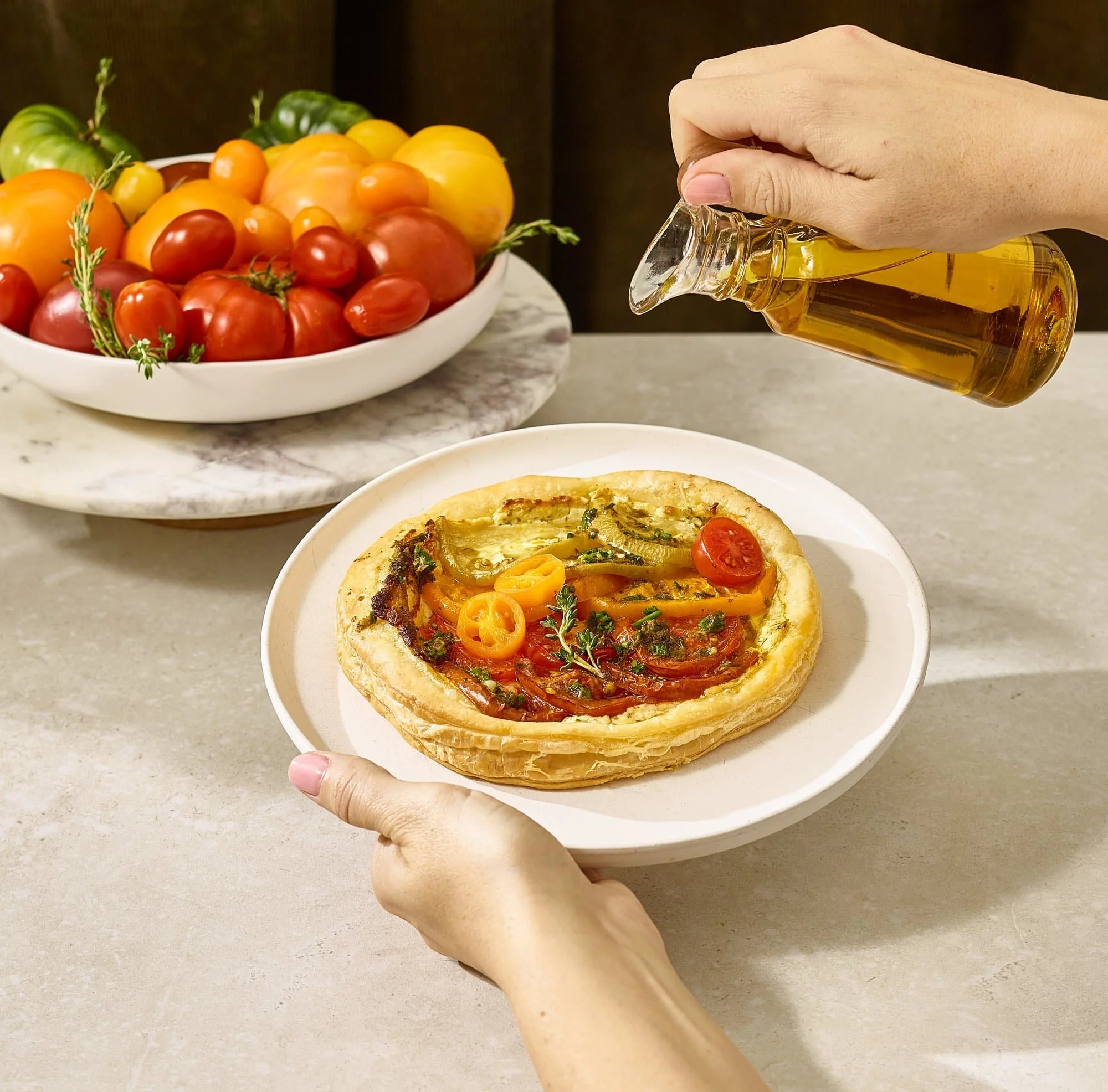
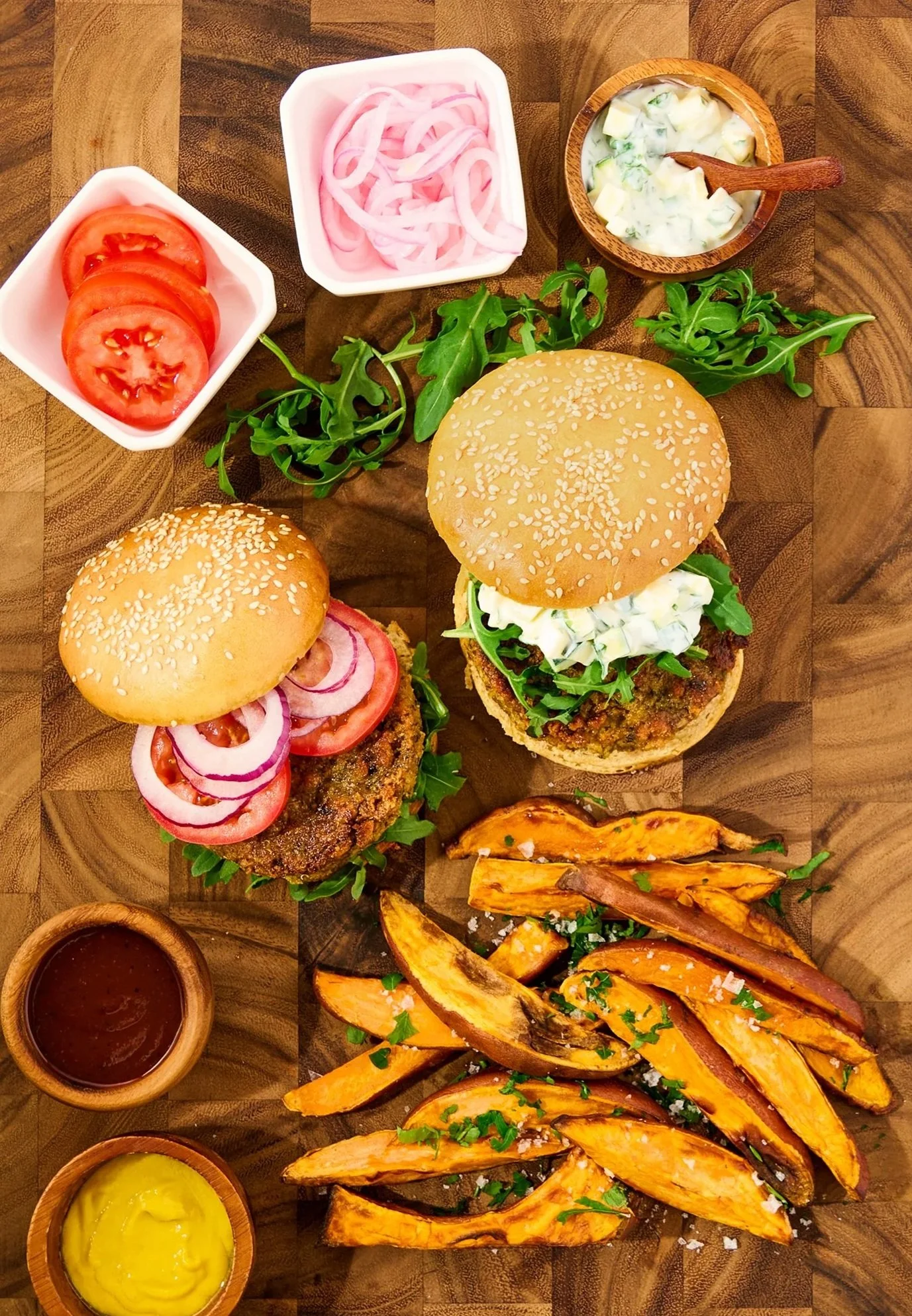
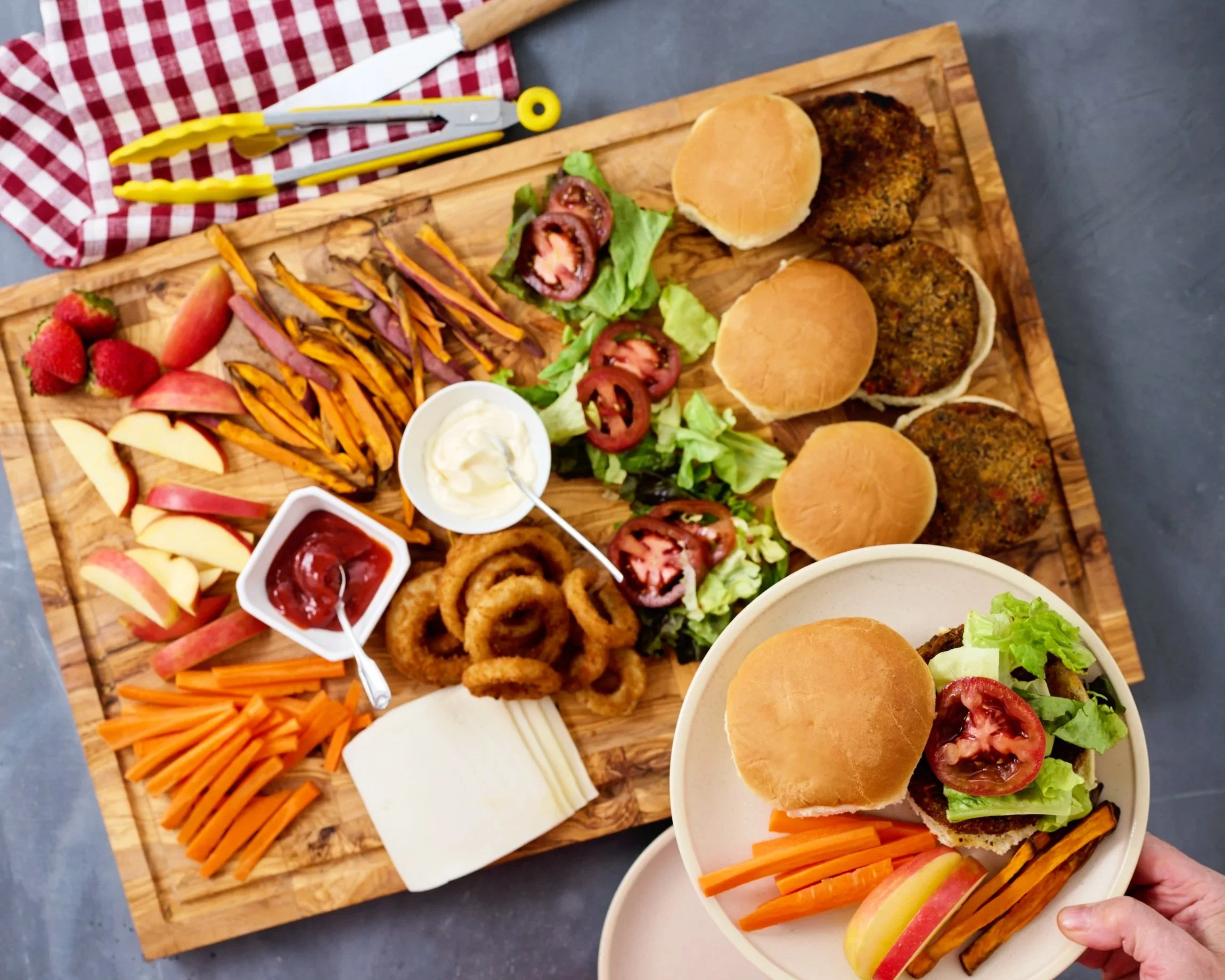
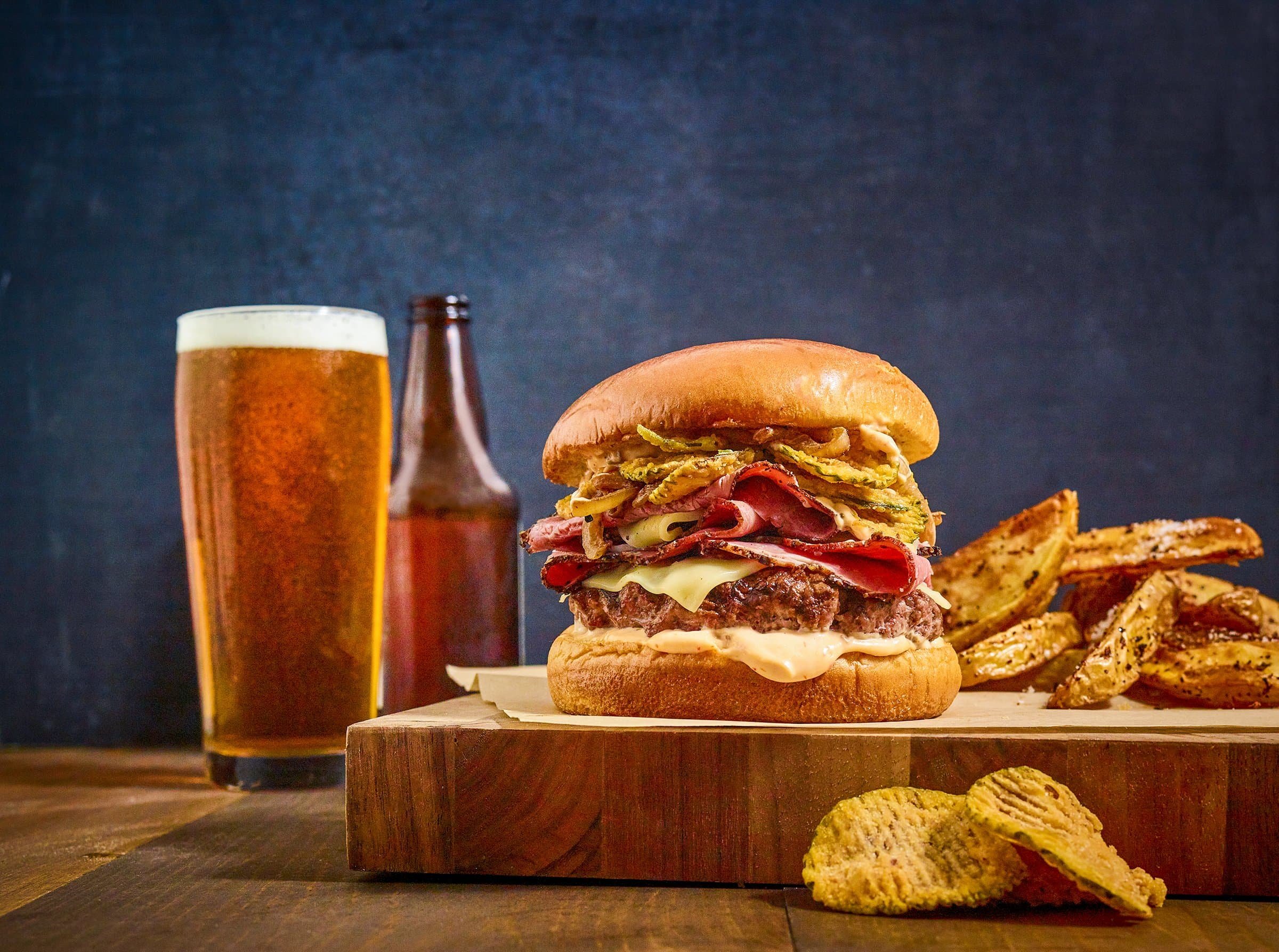
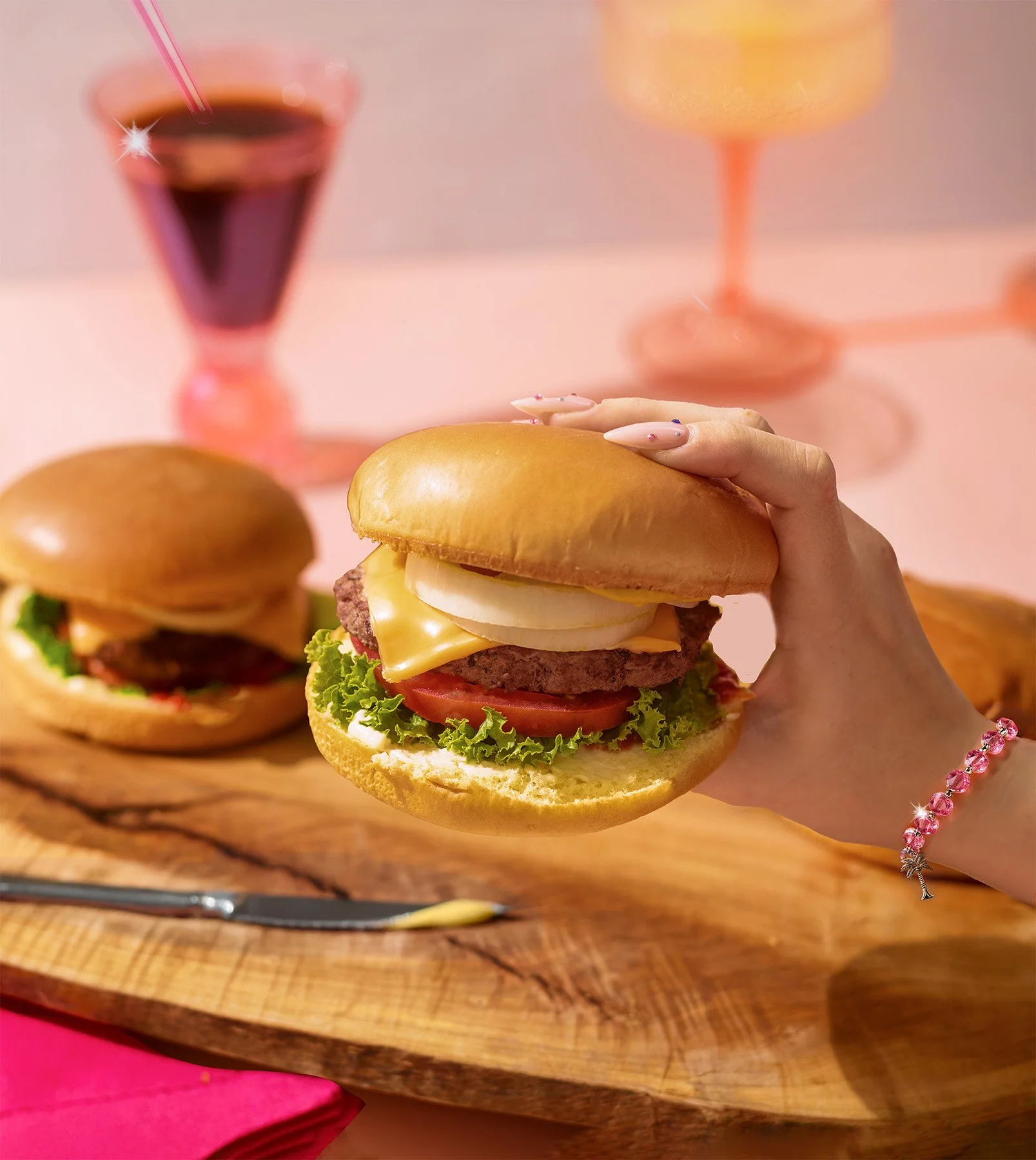
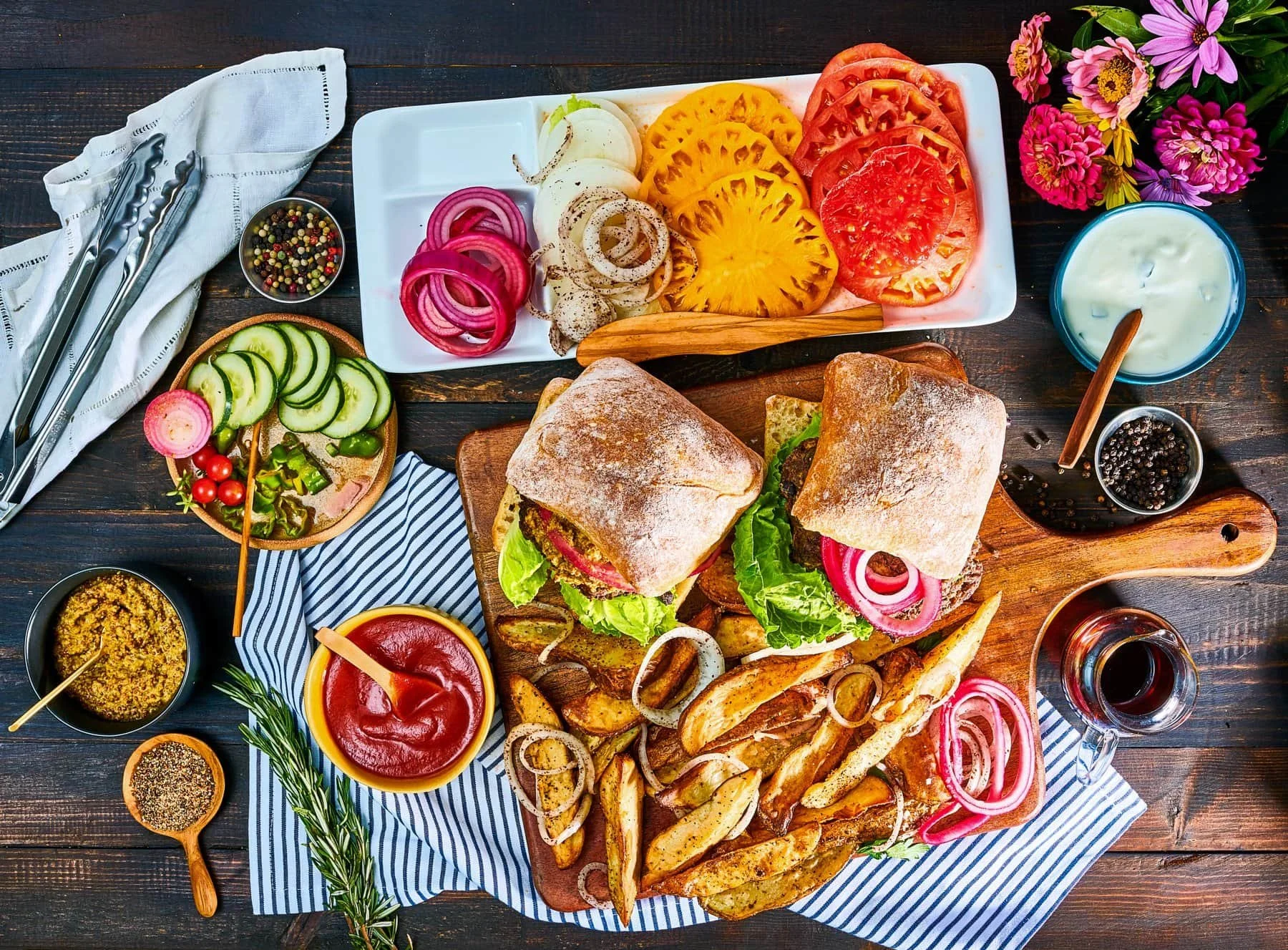
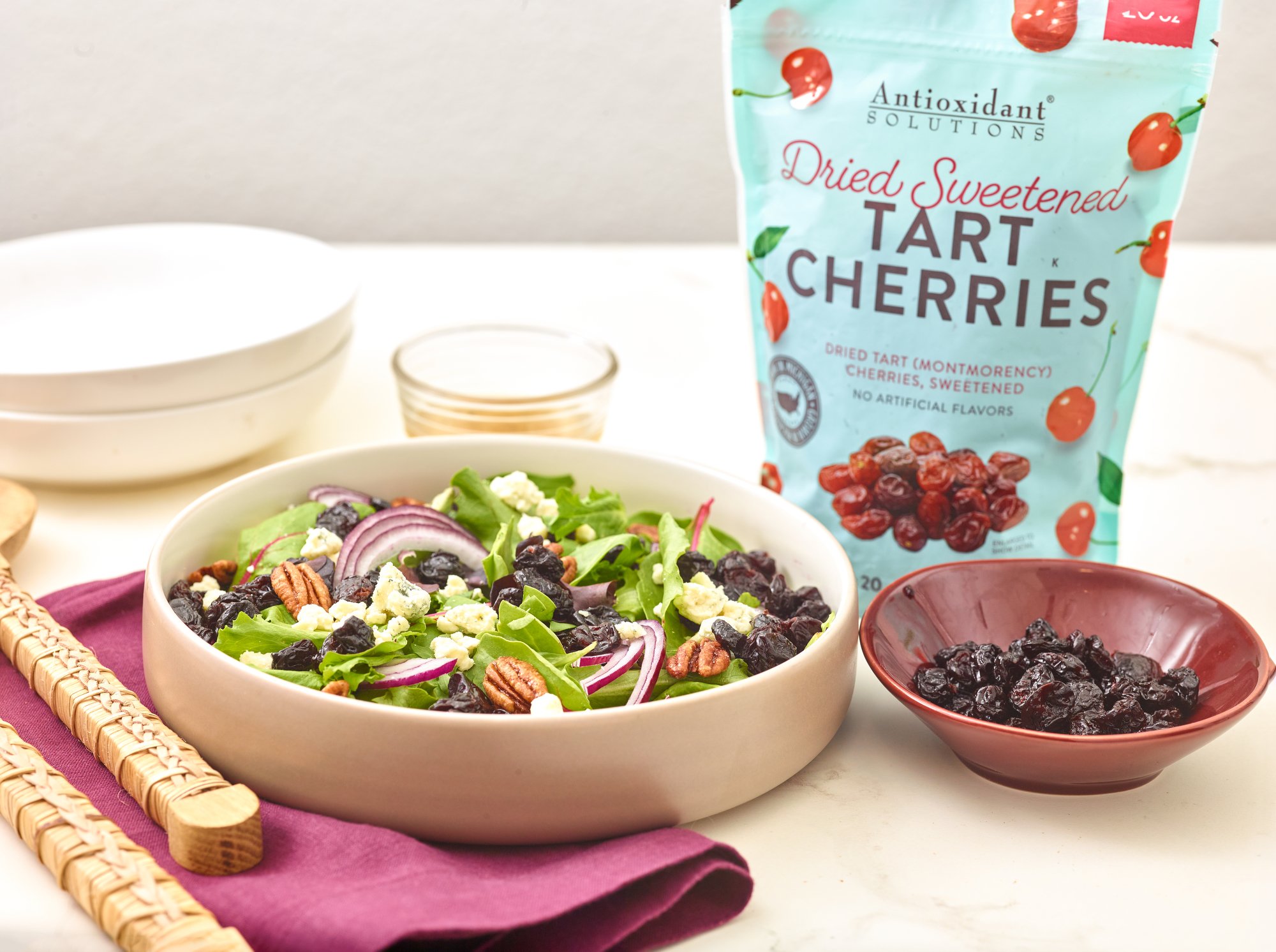
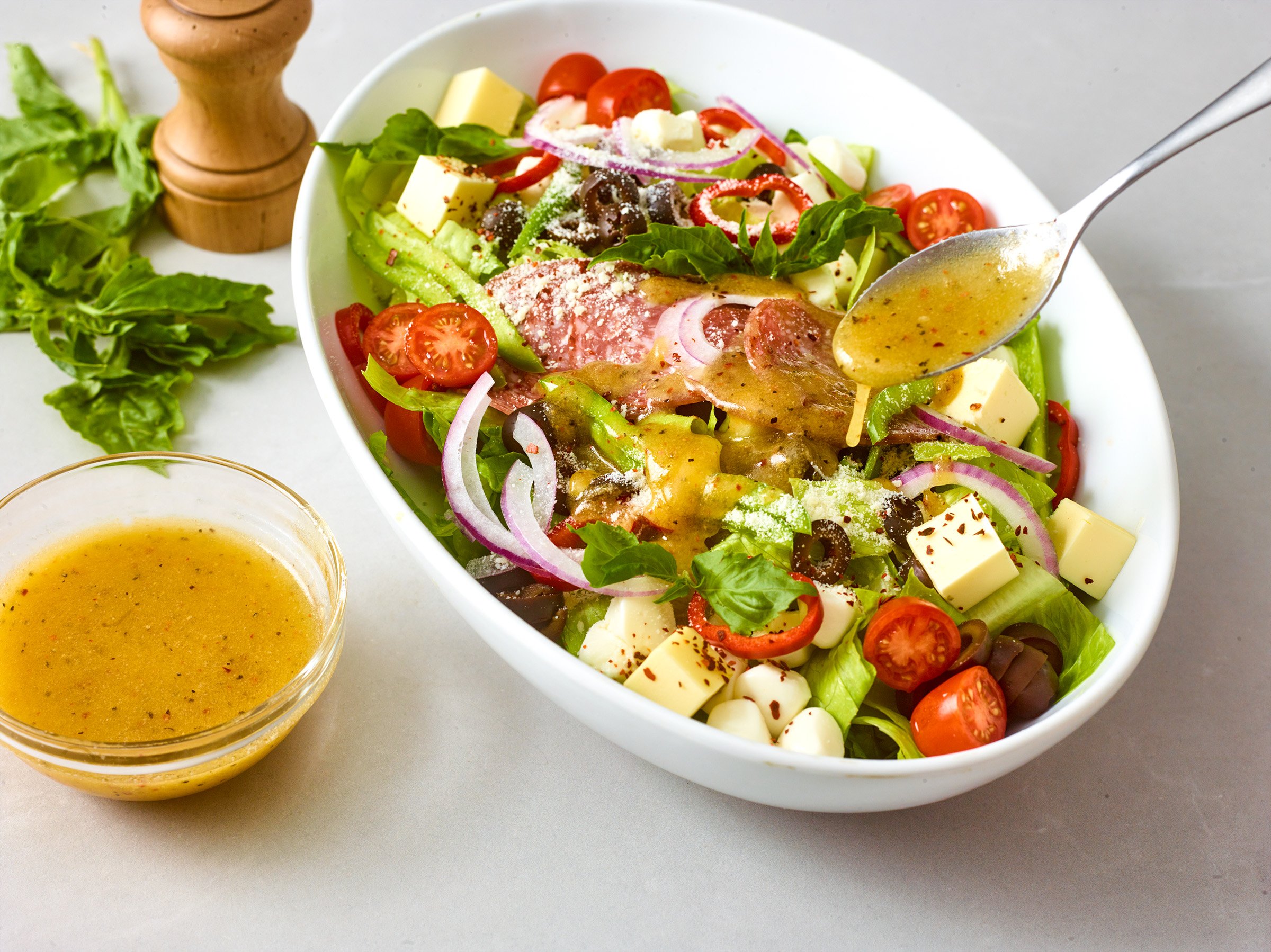
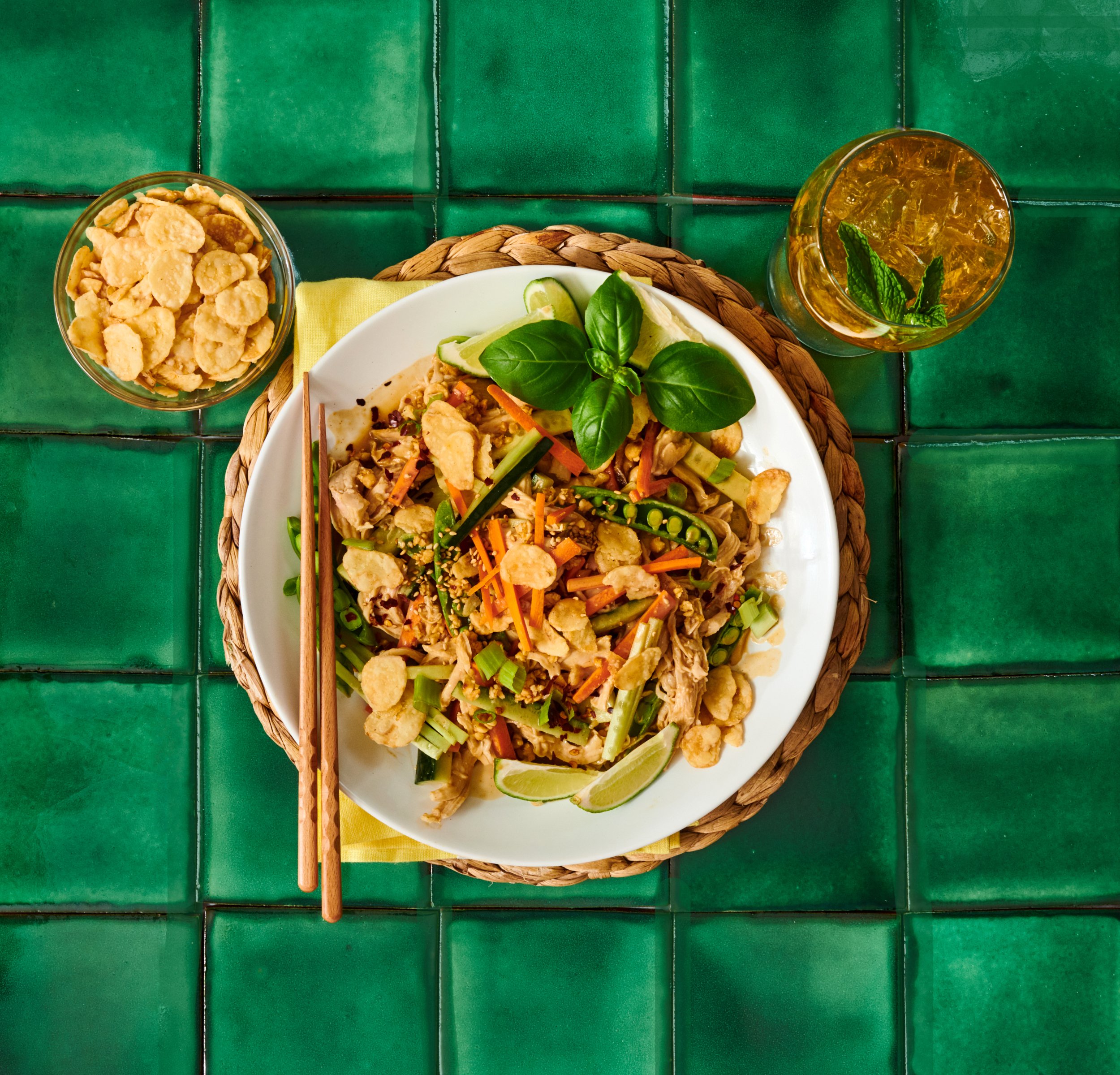
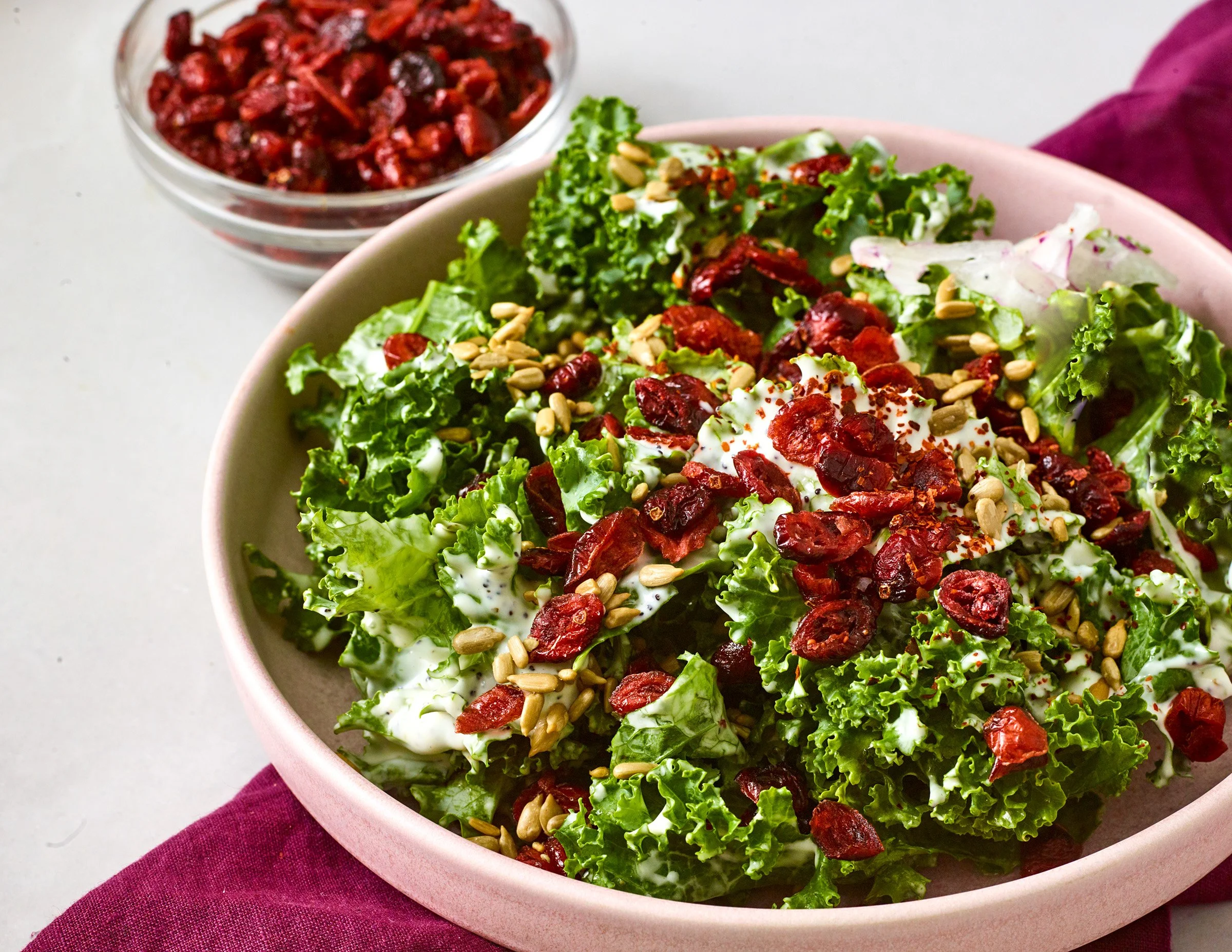
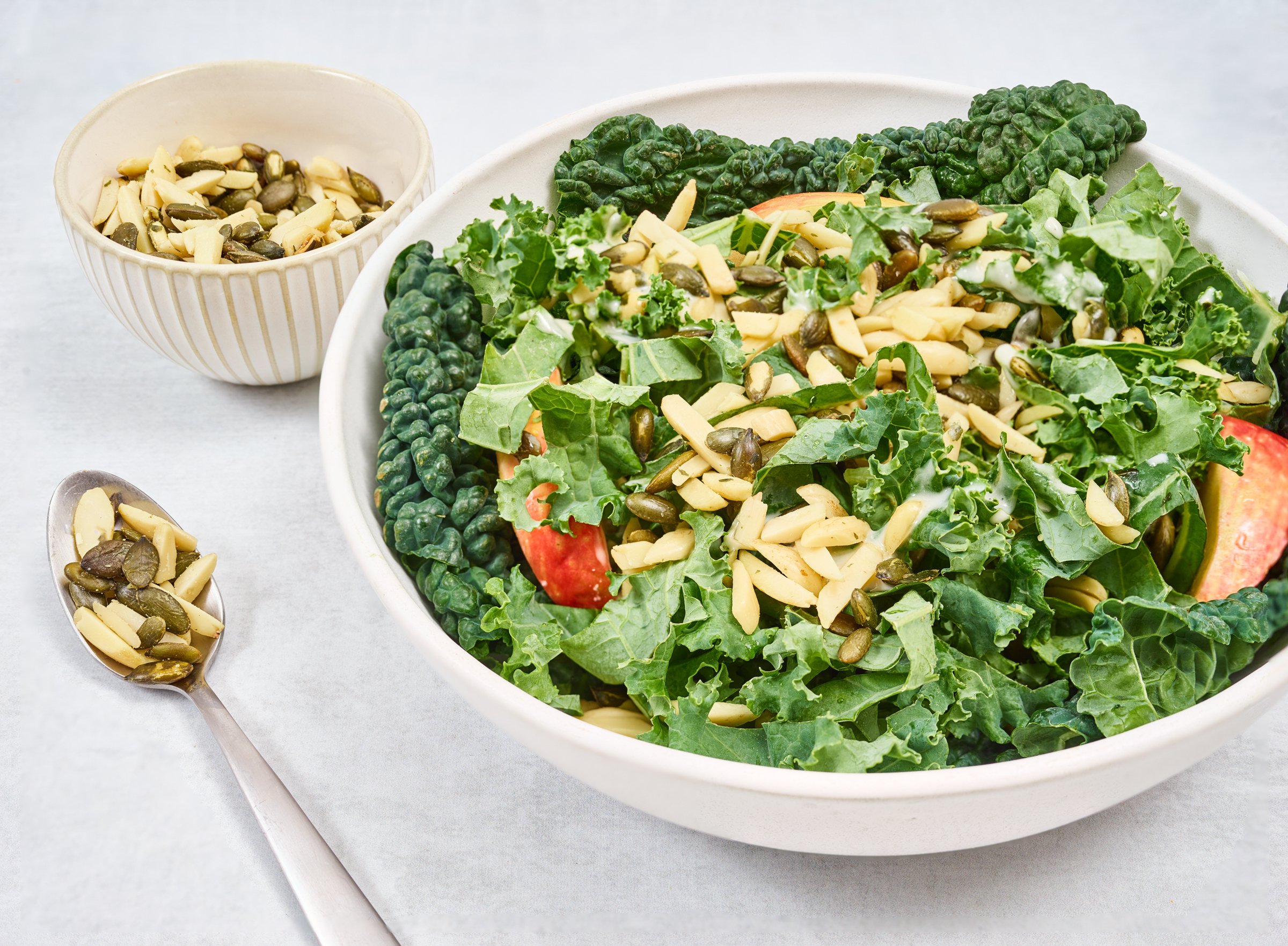
As a chef-trained creative team, we develop simple, approachable recipes that show your product in a way people can immediately understand, recreate, and enjoy. Quick breakfasts. Healthy snacks. Family dinners. Seasonal dishes. Entertaining ideas.
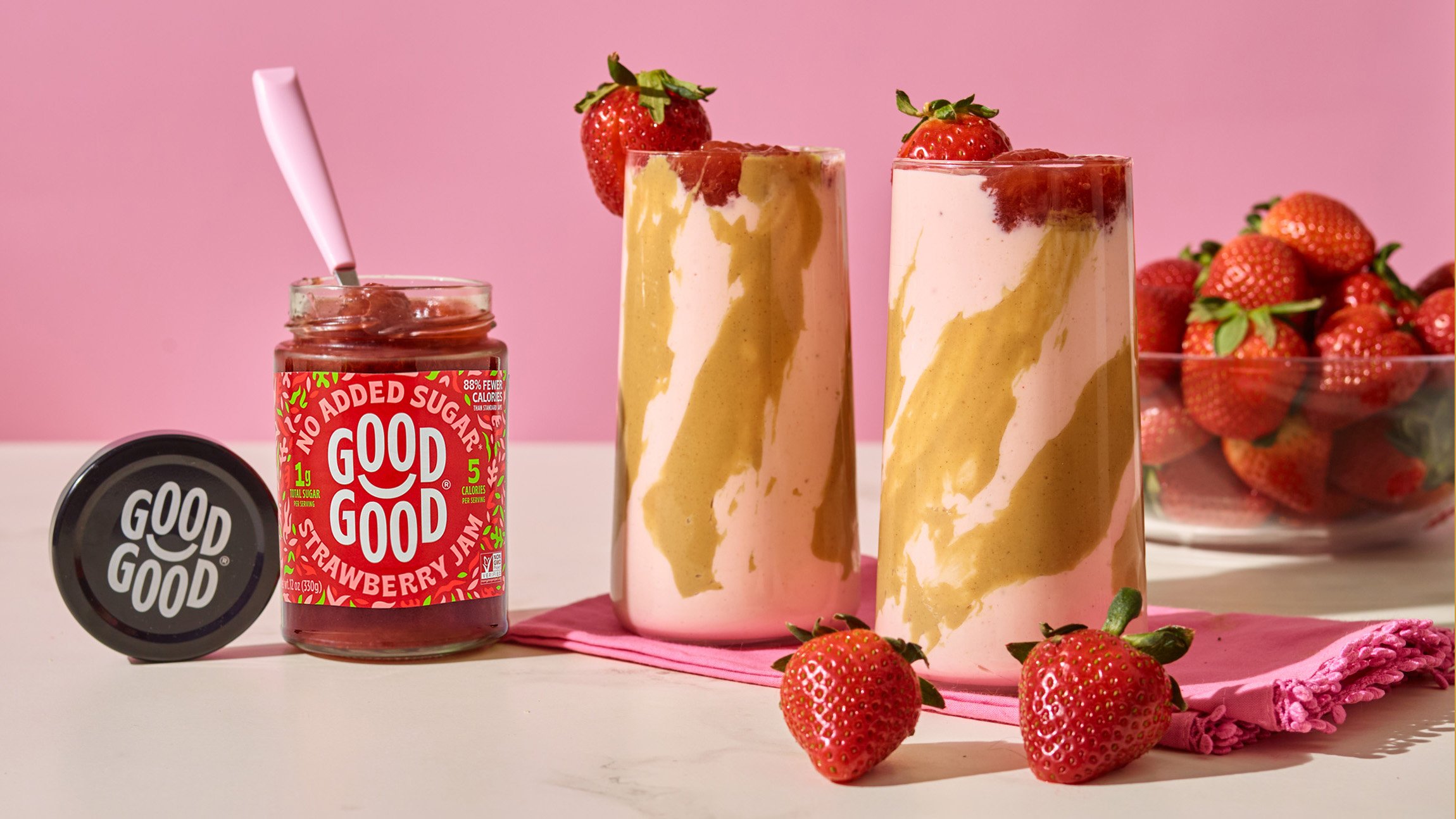
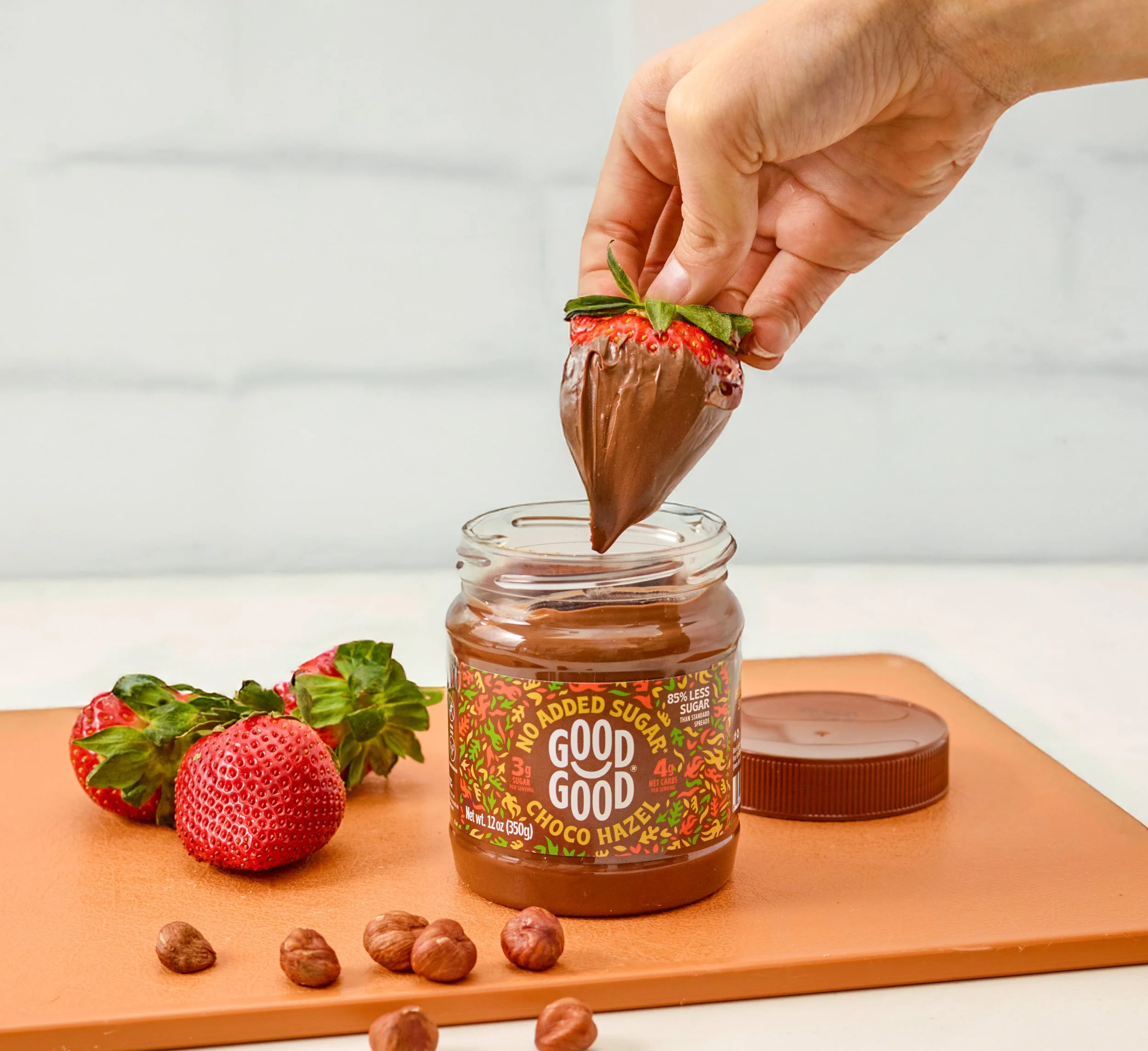
Each concept is built to highlight your product's flavour, benefits, and versatility — while looking completely irresistible on camera.
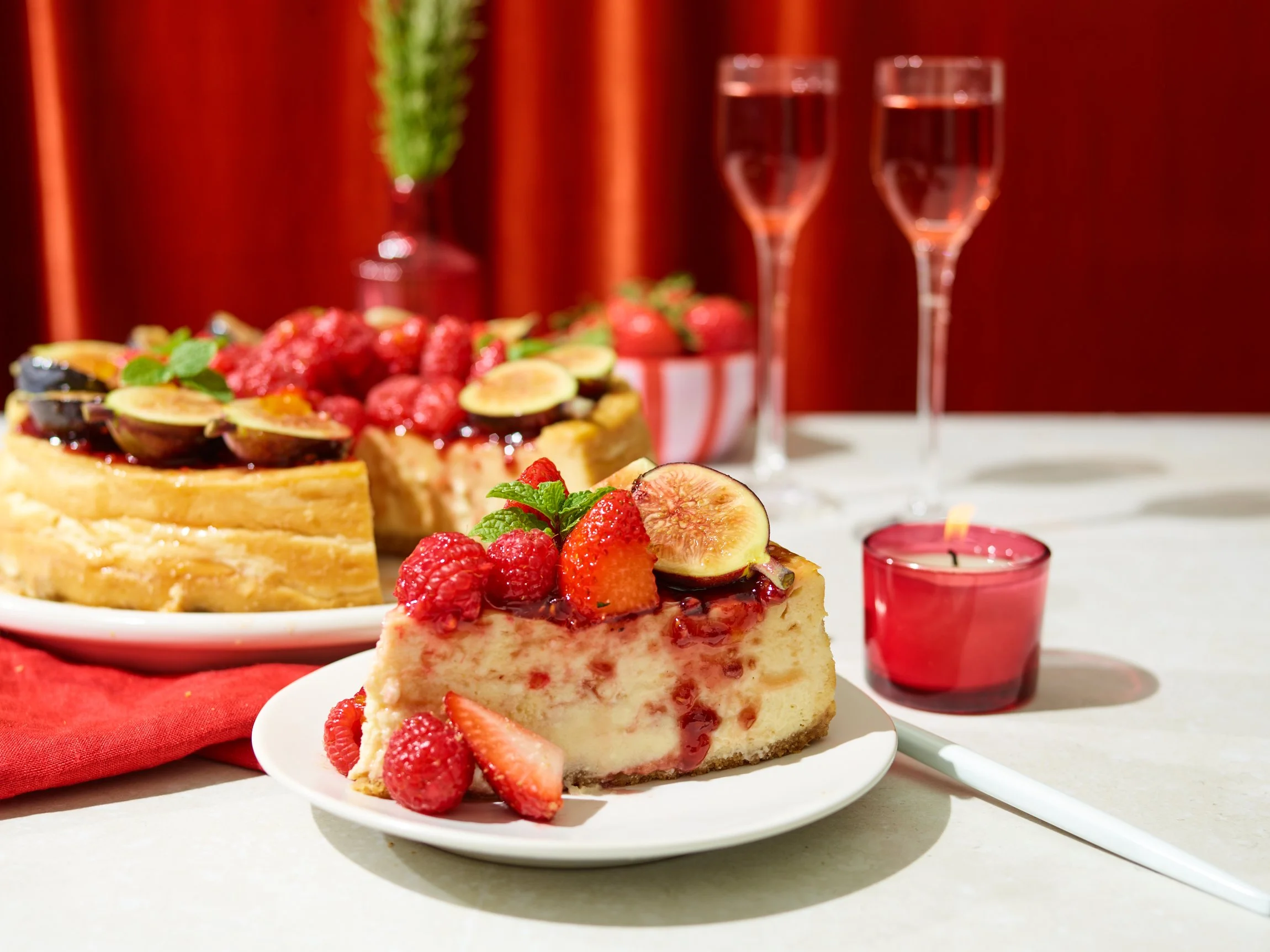
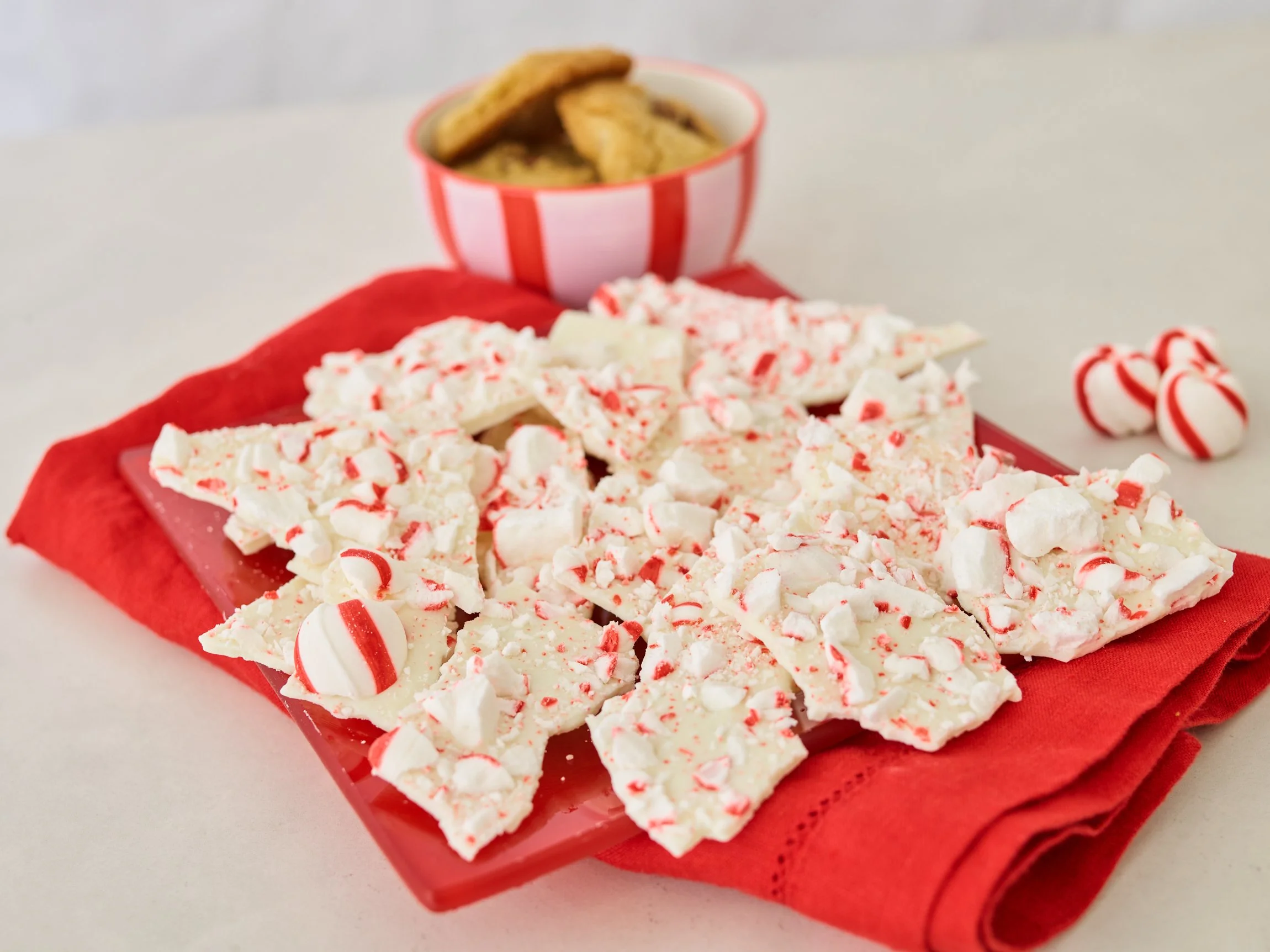
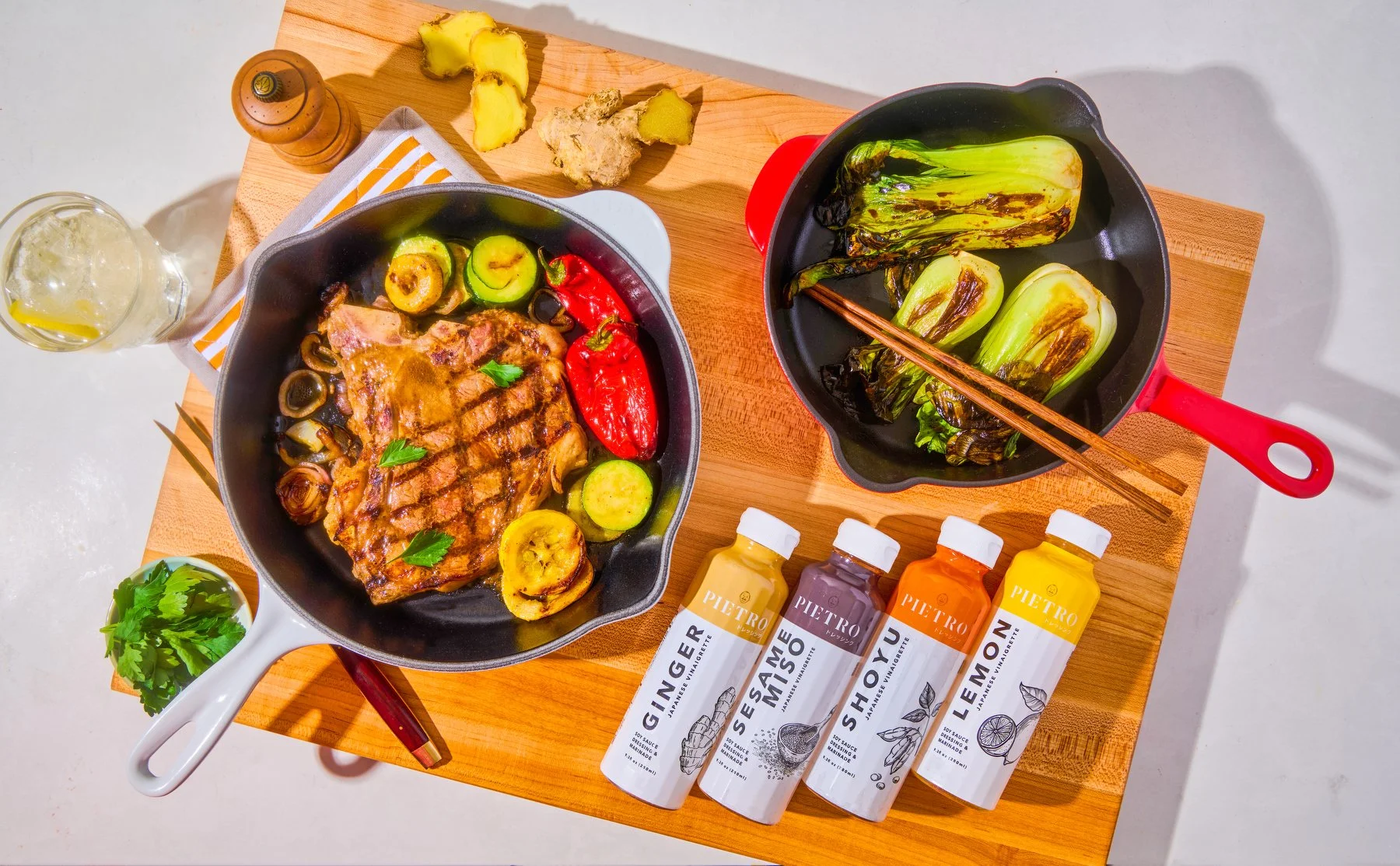
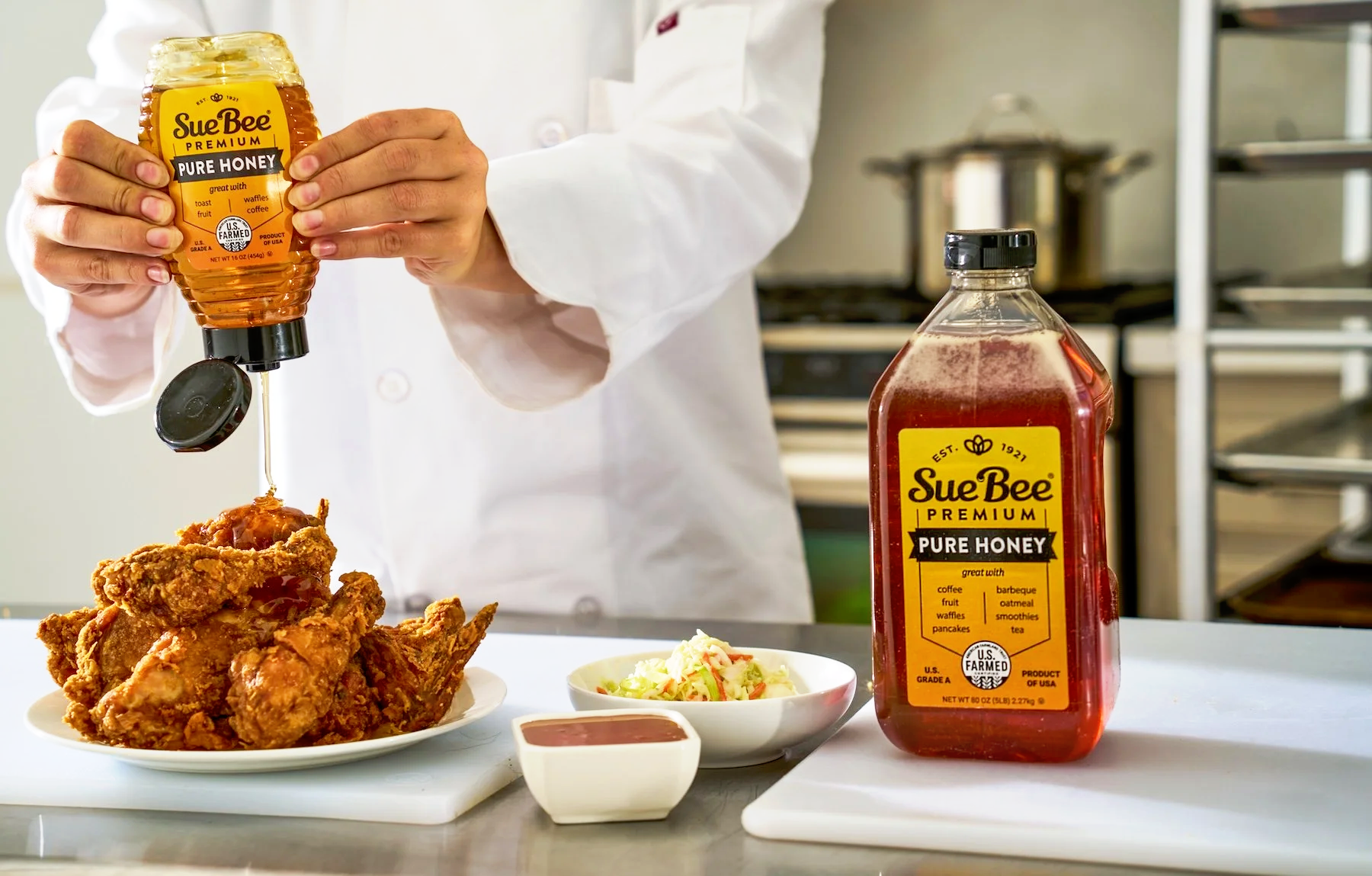
We then build the whole library around it: photography, video, reels, GIFs, and motion, all shot on the same set by the same team, so everything matches. Ready for your website, ecommerce, social, advertising, Amazon, retailer programs, and distributor platforms.
Culinary expertise and visual storytelling, from the same studio. Which means the food doesn't just look good — it works.
A recipe is a promise. We keep it.
There's a version of this business where you make the food look impossible.
We don't do that. Here's what that actually looks like in practice.
A foodservice copacker asked us to shoot their jello line as tall, clear molds — one per flavour. Dramatic, architectural, a genuinely good idea. So we built it.
And it wouldn't stand up.
The fix was sitting right there. Add extra gelatin, stiffen the mold, make it hold for the camera. Ten minutes of work. Nobody would ever have known.
We didn't do it.
Because the moment you strengthen a product so that it photographs well, you're not photographing the product anymore — you're photographing something the customer can never make. And in foodservice, a chef looks at that image and decides whether to put the dish on their line. If it can't be replicated in a real kitchen, the photograph isn't a sales tool. It's a complaint waiting to happen.
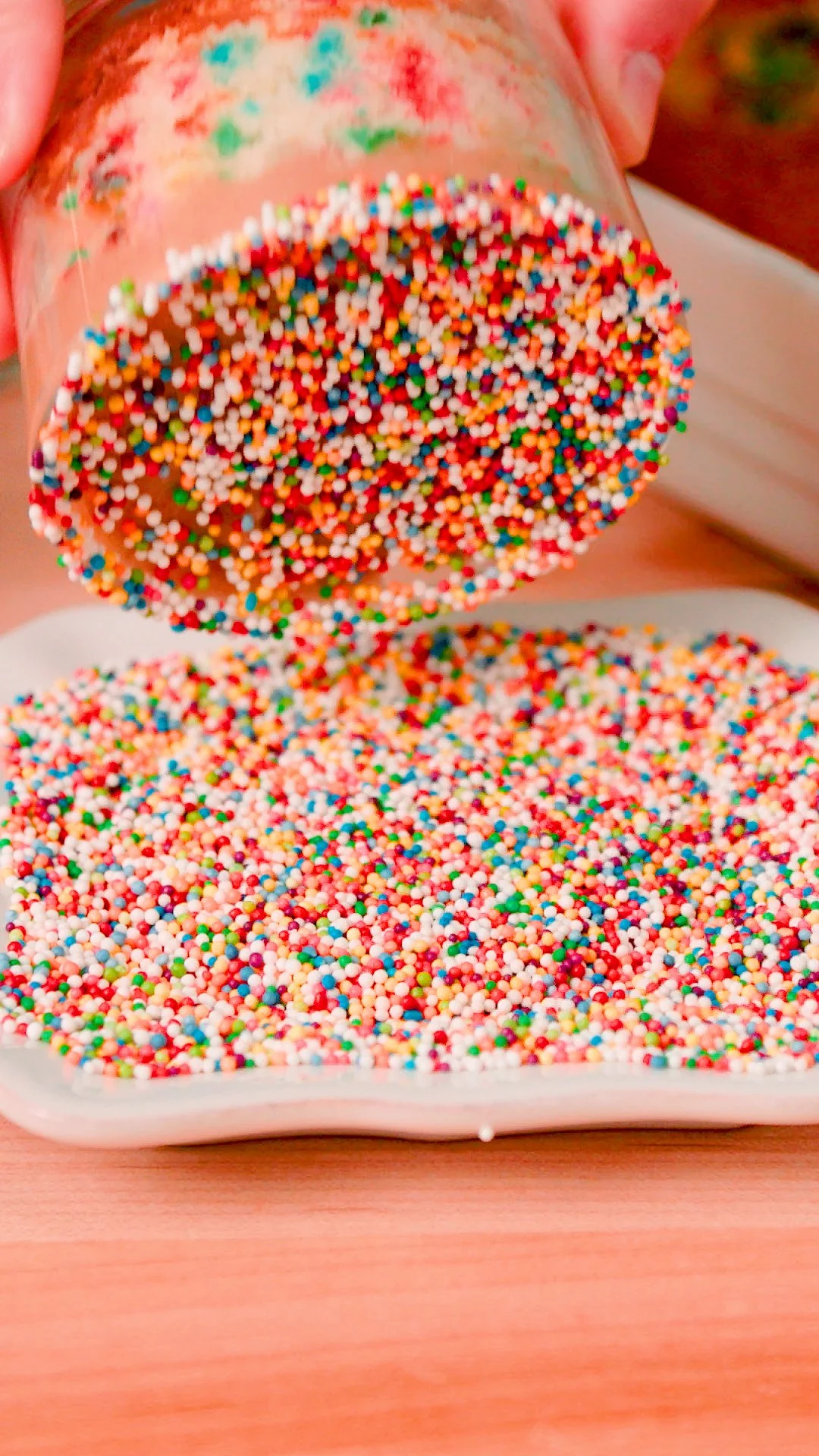
So we stopped shooting. We found glasses with better angles, molded lower pans, and came back the next day to shoot the product the way it actually behaves: cut into portions, spooned into glasses, set into shallow pans for a buffet line.
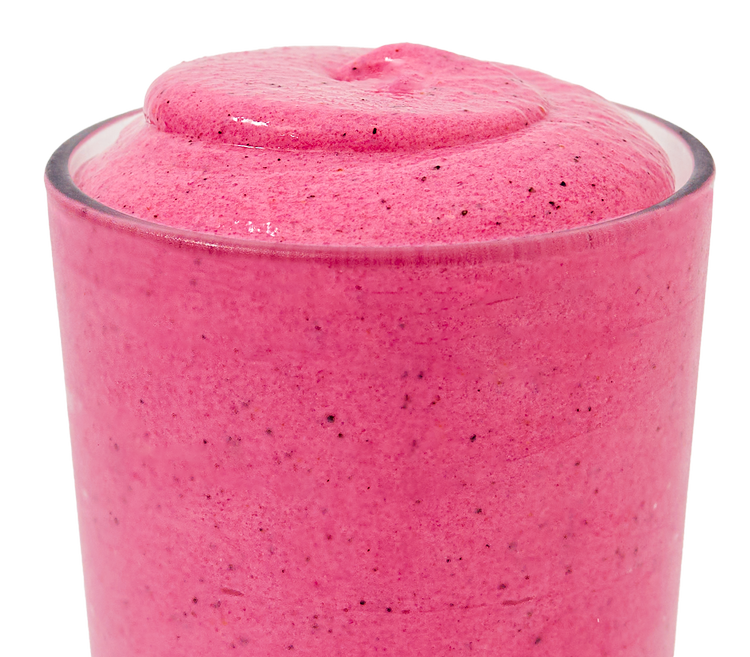
The result was completely accurate — and far more beautiful than the original concept. Every flavour got its own colour world.
It cost us a day. It saved the client from a library their own customers could never live up to.
If a product has to be faked to look good, the answer isn't a better fake. It's a better idea.
That's the standard on every recipe we develop. If we photograph it, you can cook it.
Why a CIA-trained chef behind the camera changes everything
On most food shoots there is a chef and there is a photographer.
On ours, they're the same person — so nothing gets lost between them.
That sounds like a small thing. It is the whole thing. Here's what it actually buys you:
A chef knows when food is lying. There's a difference between a crust that's properly seared and one that's been blowtorched for the camera. Between a sauce that's genuinely reduced and one thickened with cornstarch for the shot. A photographer can only see whether it looks right. A chef knows whether it is right — and your customer, standing in their kitchen with your recipe, will find out which one you shot.
A chef fixes it on set instead of reshooting it. When a dish isn't working, a photographer says "let's try another angle." A chef says "the pan wasn't hot enough." One of those solves the problem. The other hides it.
A chef can develop the recipe, not just plate it. Which means the recipe on your website is a real recipe that a real person can really cook — not a prop assembled to survive twenty minutes under a light.
A chef talks to your culinary team as a peer. This is the quiet one, and it might matter most. When we work with a brand's chefs — and we always want to — we're not the photographer taking direction. We're a colleague, in the kitchen, asking the right questions. That's how you get a dish that reads as authentic to the people who actually grew up eating it.
And the food is genuinely good. Everyone eats it at the end of the day. That's not a marketing benefit. It's just a nice way to work.
Most food photography is a translation. A chef behind the camera means nothing gets lost in it.
Chef's kiss, if you like. But mostly it means the food is real.
Why that matters more here than anywhere else
You can get away with a heroic packshot. Nobody is going to take your jar home and compare it side by side.
But a recipe is different. A recipe gets tested. Someone stands in their kitchen, follows your steps, and finds out whether you were telling the truth.
Get it right and you've earned a place in their week. Get it wrong and you've taught them not to trust your brand — using your own marketing budget.
Recipes are the highest-return content a food brand can make, and the only kind that can backfire. Which is exactly why they should be developed by people who are trained to cook.
Send us a rough idea. We'll help you shape it.
Bring a product, a season, or just a hunch about what your customers might want to cook. We'll come back with recipe concepts and a shot list — before you commit to anything. Schedule a call.