Shots, not sets
When we say a content day can deliver 40 to 60 images, we mean shots. Not 60 different sets.
It happens more than you'd think. A brand hears "60 images," then sends a mood board with a backyard picnic, a neon night scene, a splash station, a stop-motion sequence, and a dozen still life sets, each with its own surfaces, props, and lighting. That's not a shoot day. That's a feature film with a craft services table. And for smaller products, it is usually a waste of spend because you can’t see them on a huge, premiere-film-type set.
Sixty Hollywood-style sets would take a full crew, location scouts, permits, and weeks of production. A content day works differently, and once you see how, you can get far more out of it.
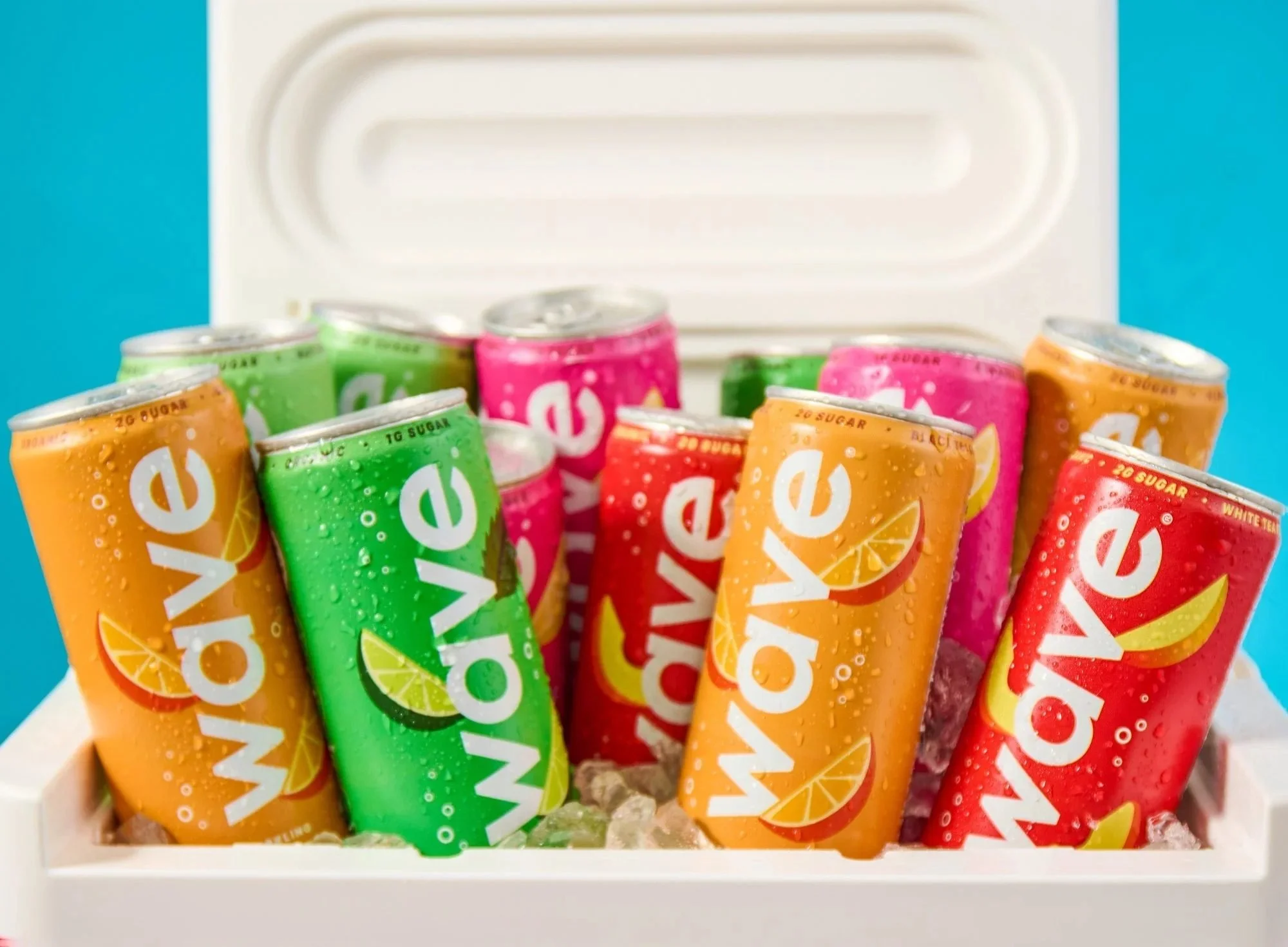
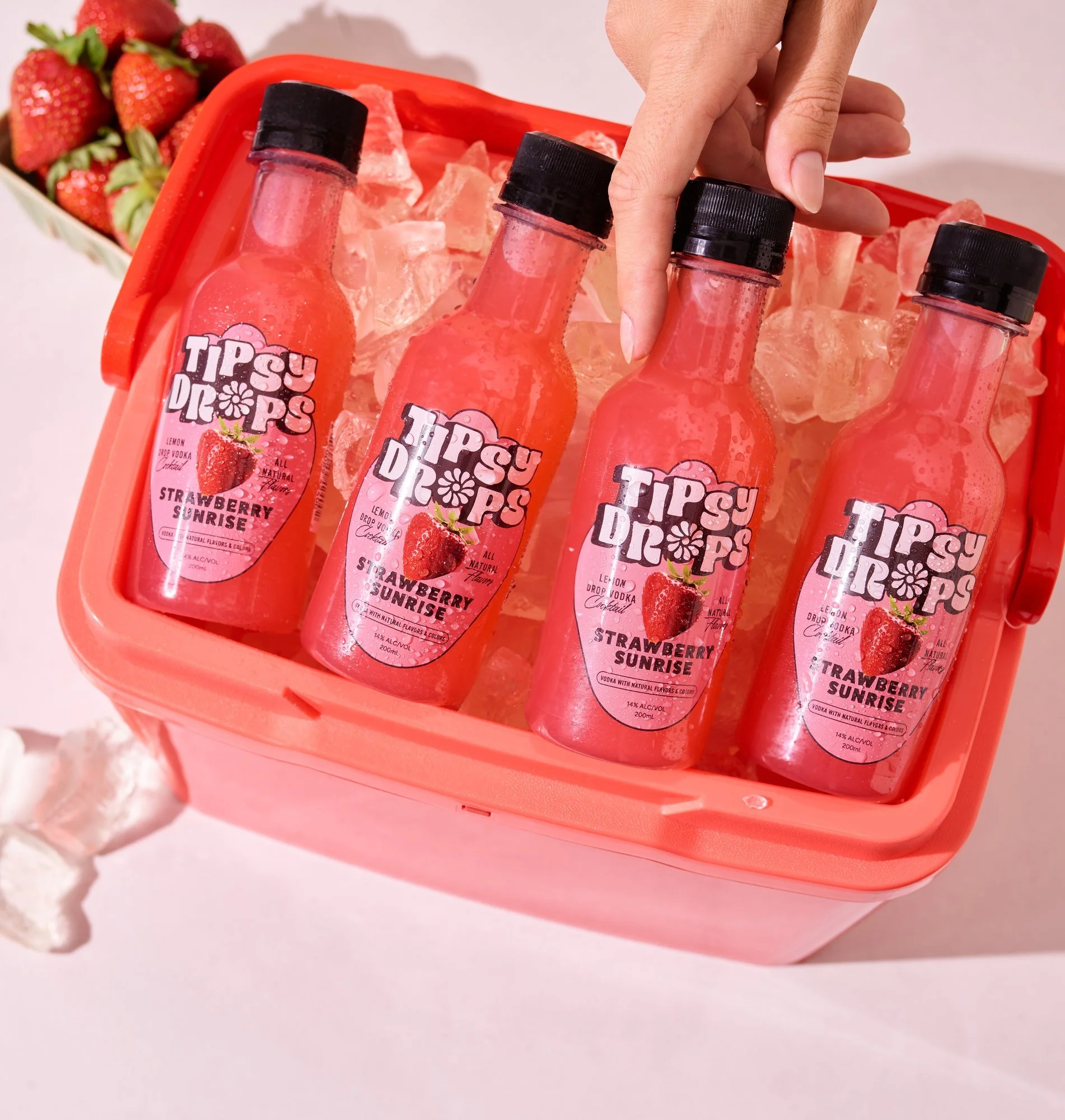
Look what we did for Wave with a blue paper background set. You have the cooler wide and close, with different angles and just the right amount of condensation. Then we hold the drinks and add a sky in post! They approved everything fast, so the camera stayed rolling. The condensation, juicy fruit, and ice make everyone thirsty from first glance.



How we get so many images
We build a few simple, colorful sets and work each one hard. Once a set is lit, every new image costs only minutes, so we iterate instead of rebuilding. The product and its story are always the hero.


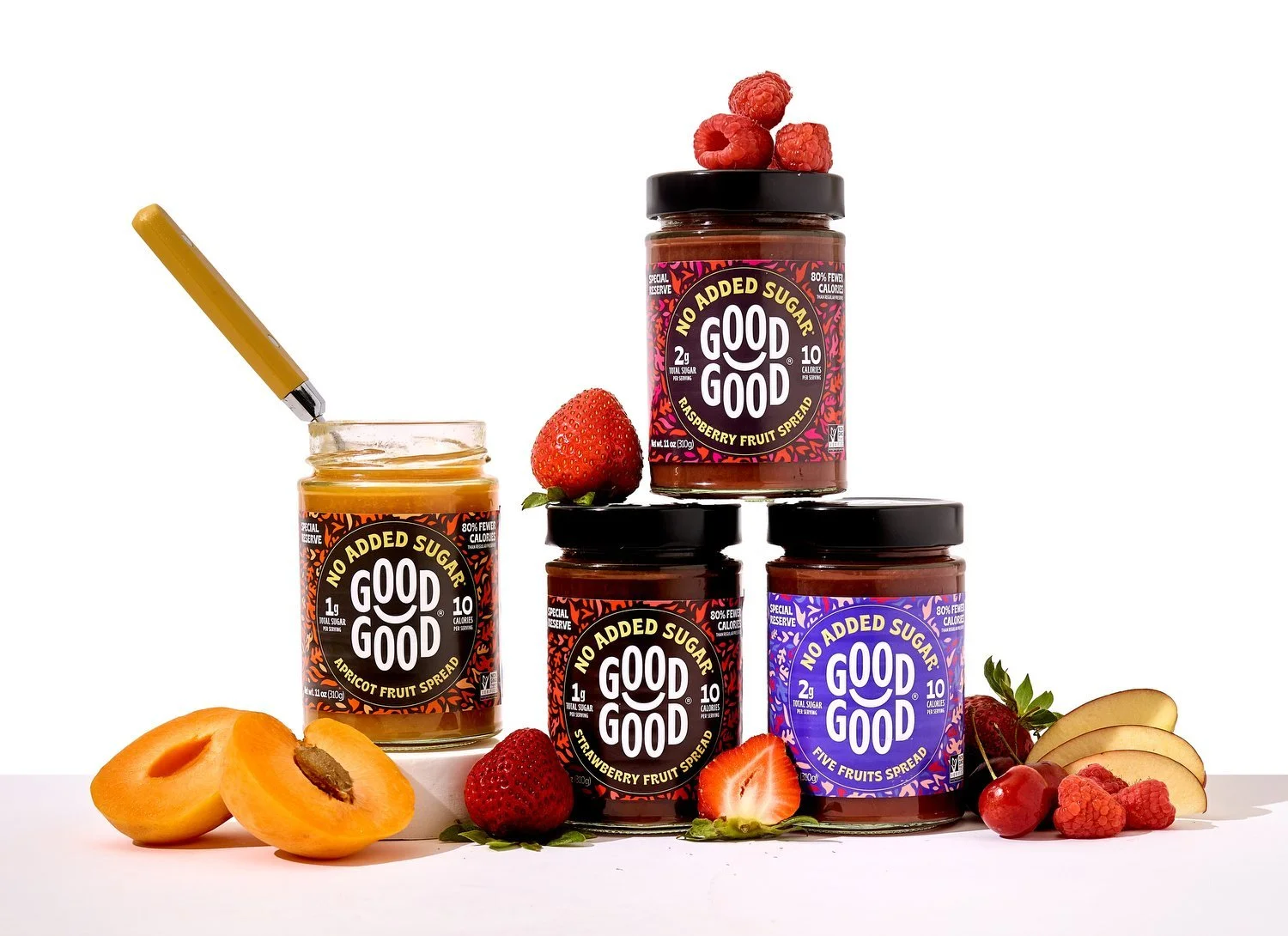
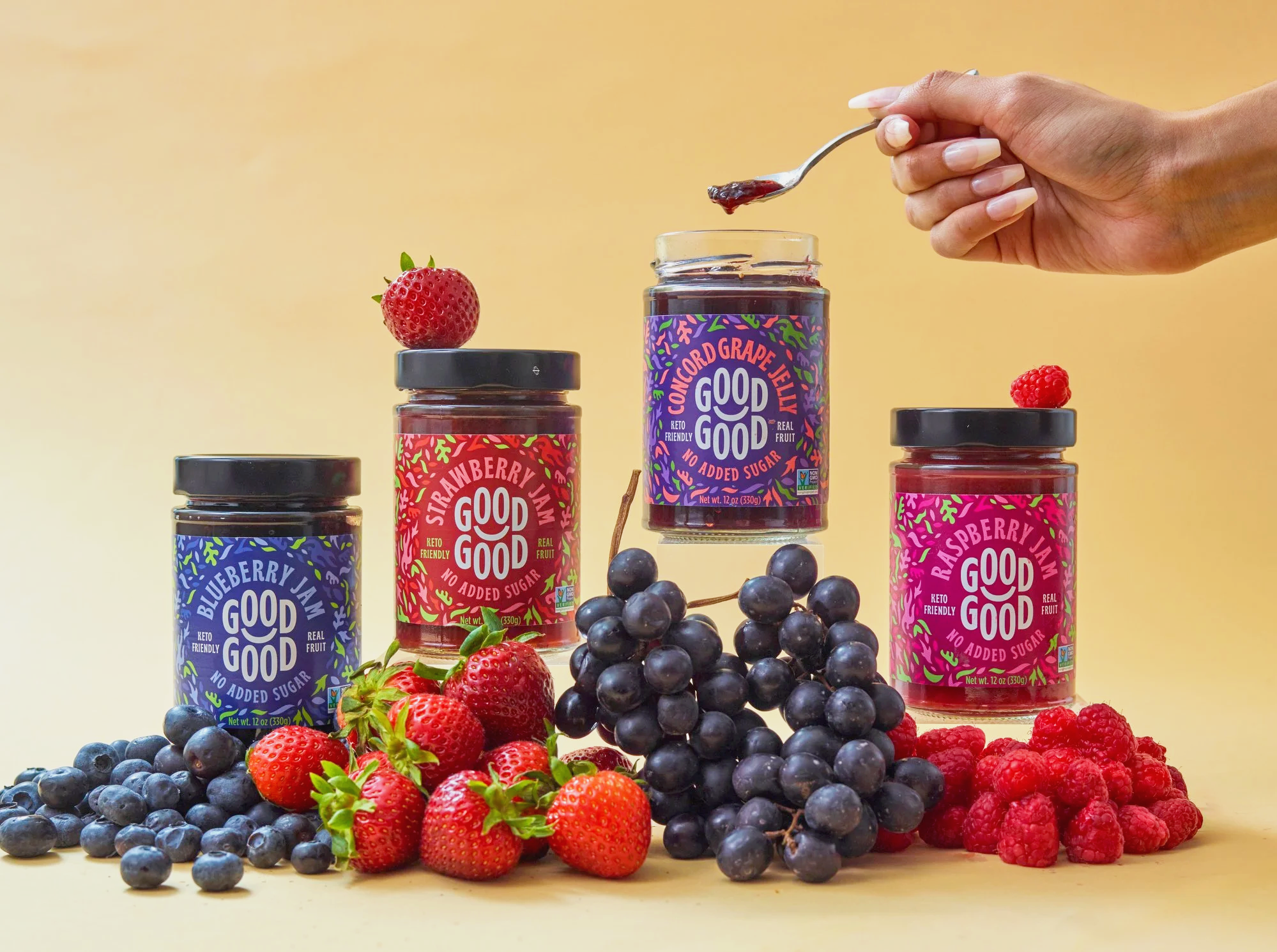
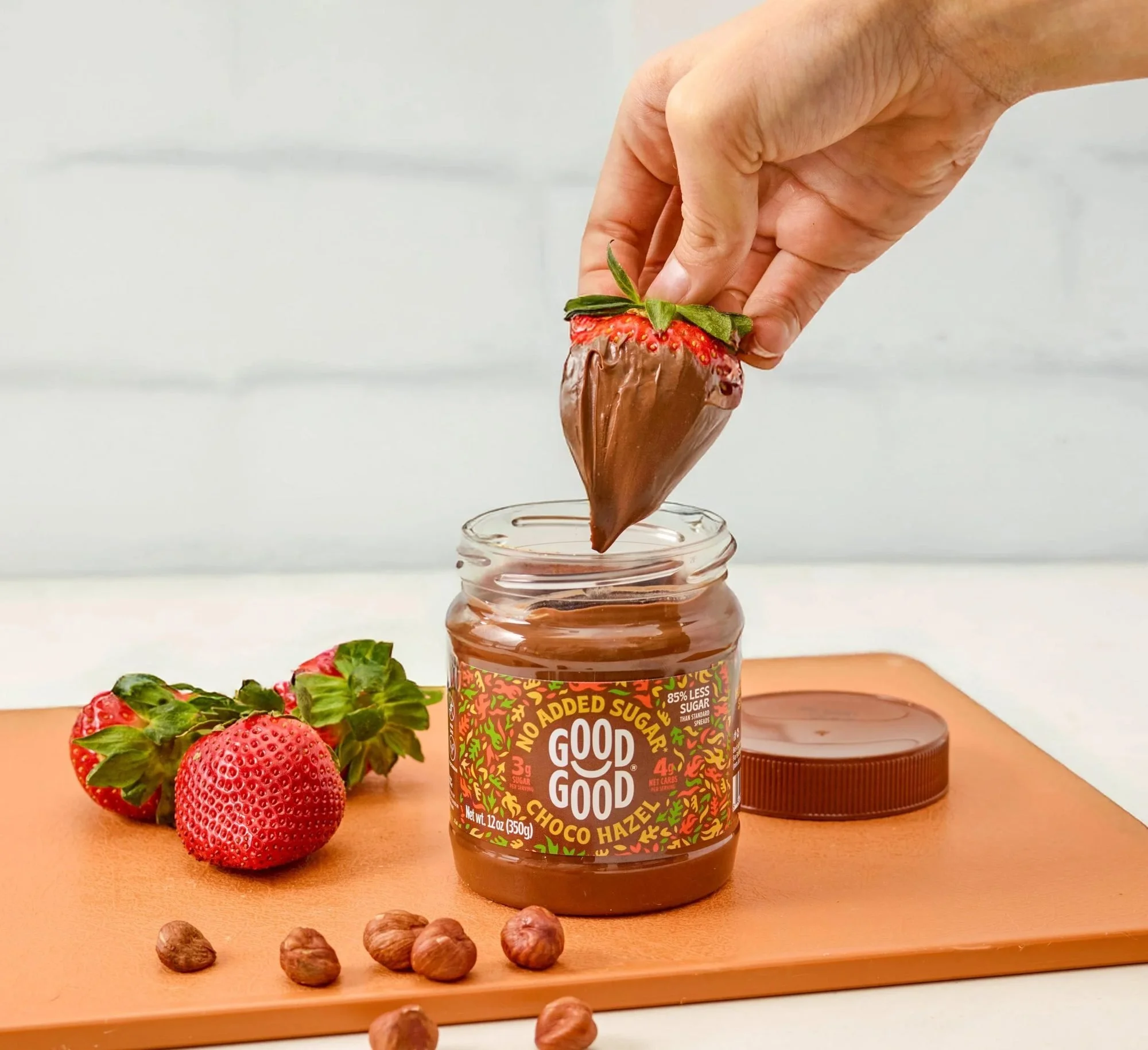
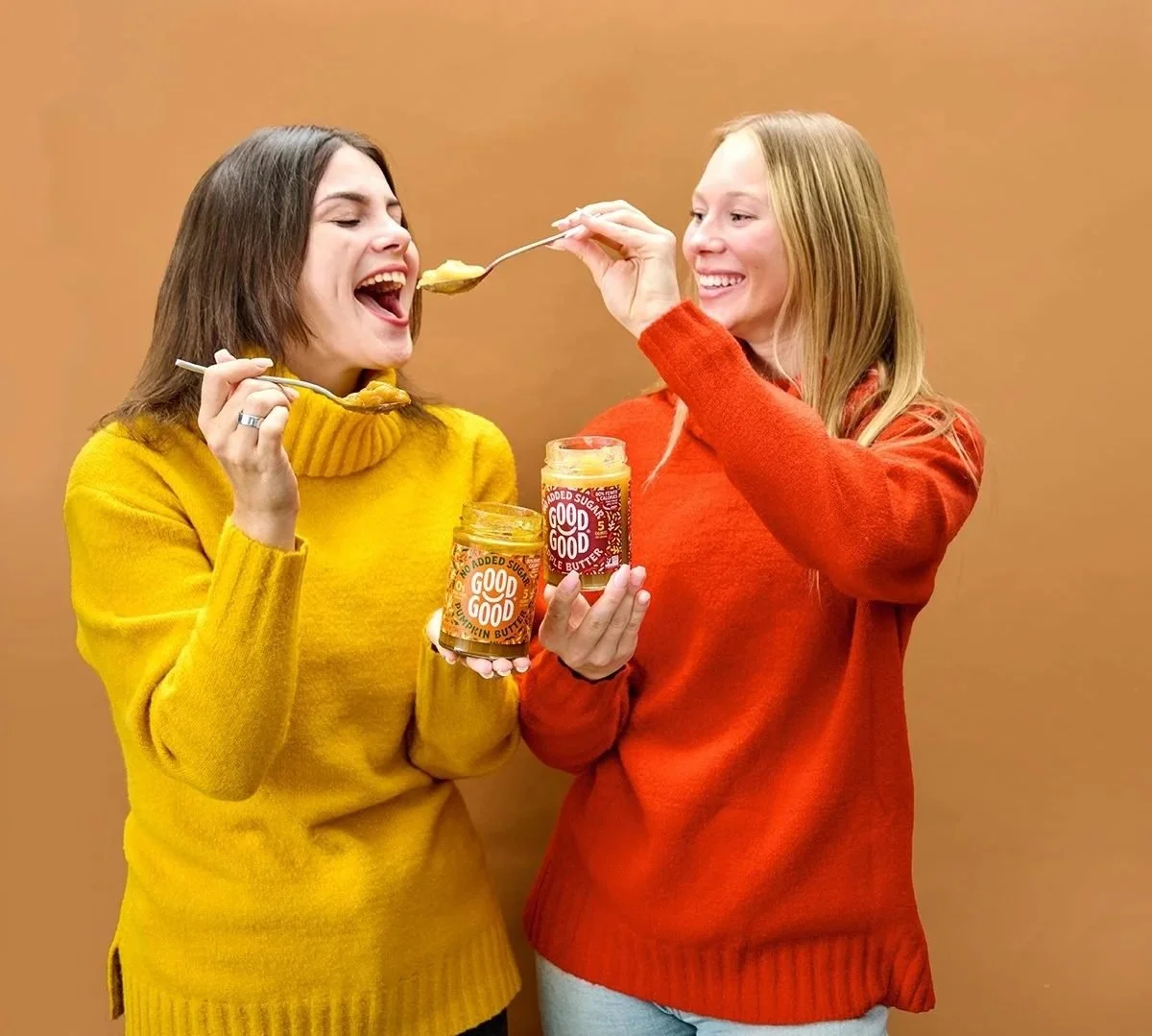
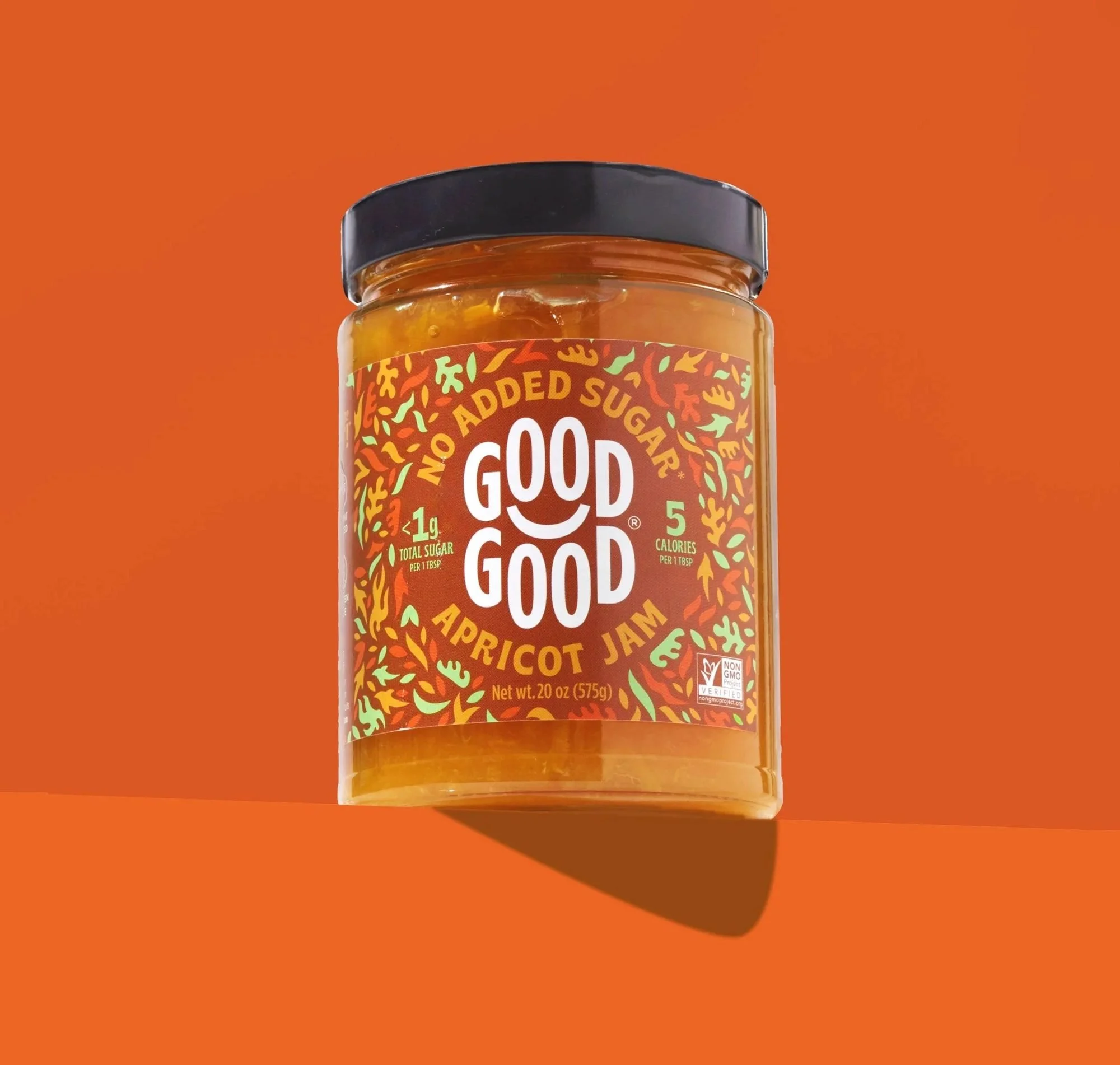
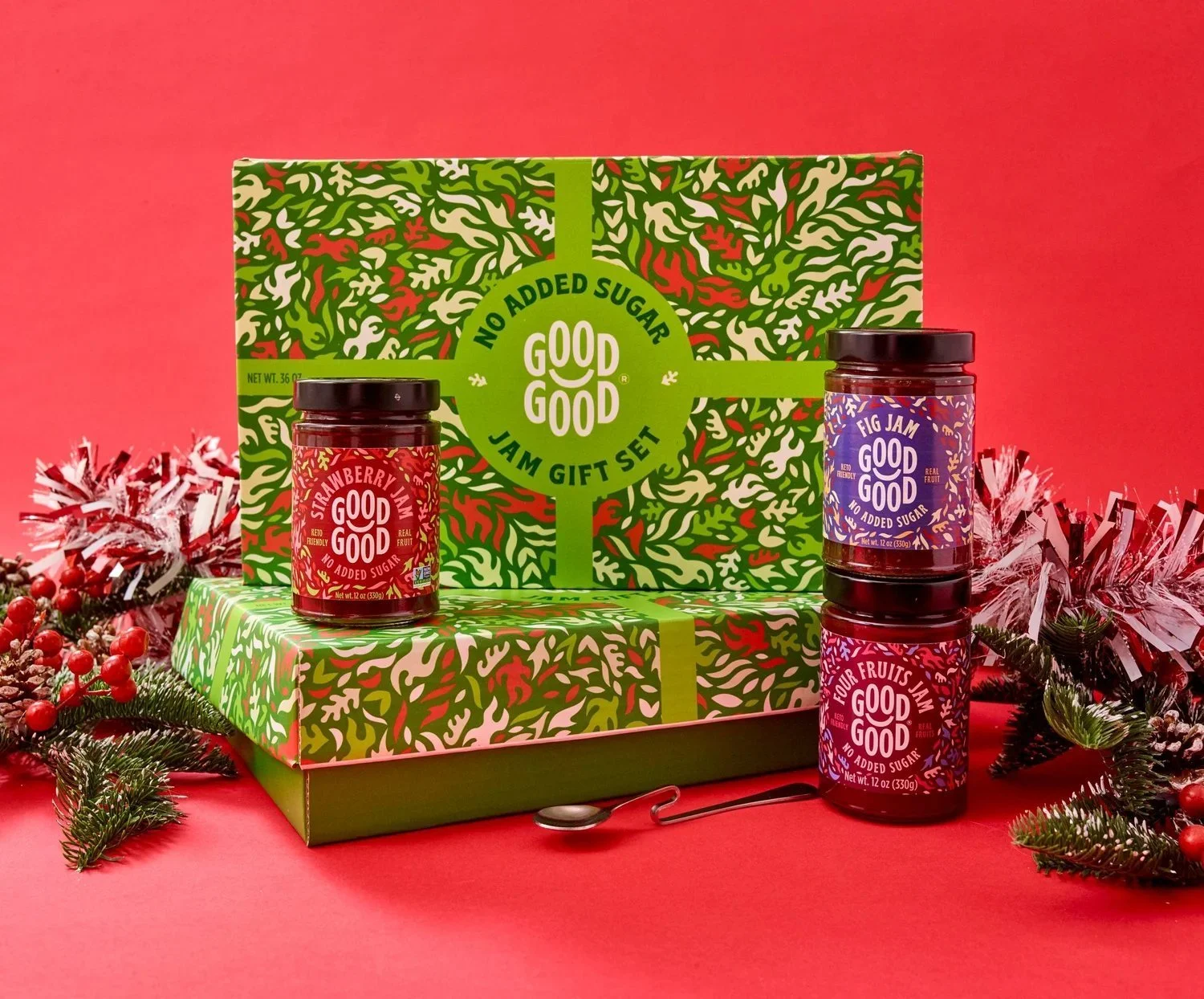
On one tabletop set we can shoot:
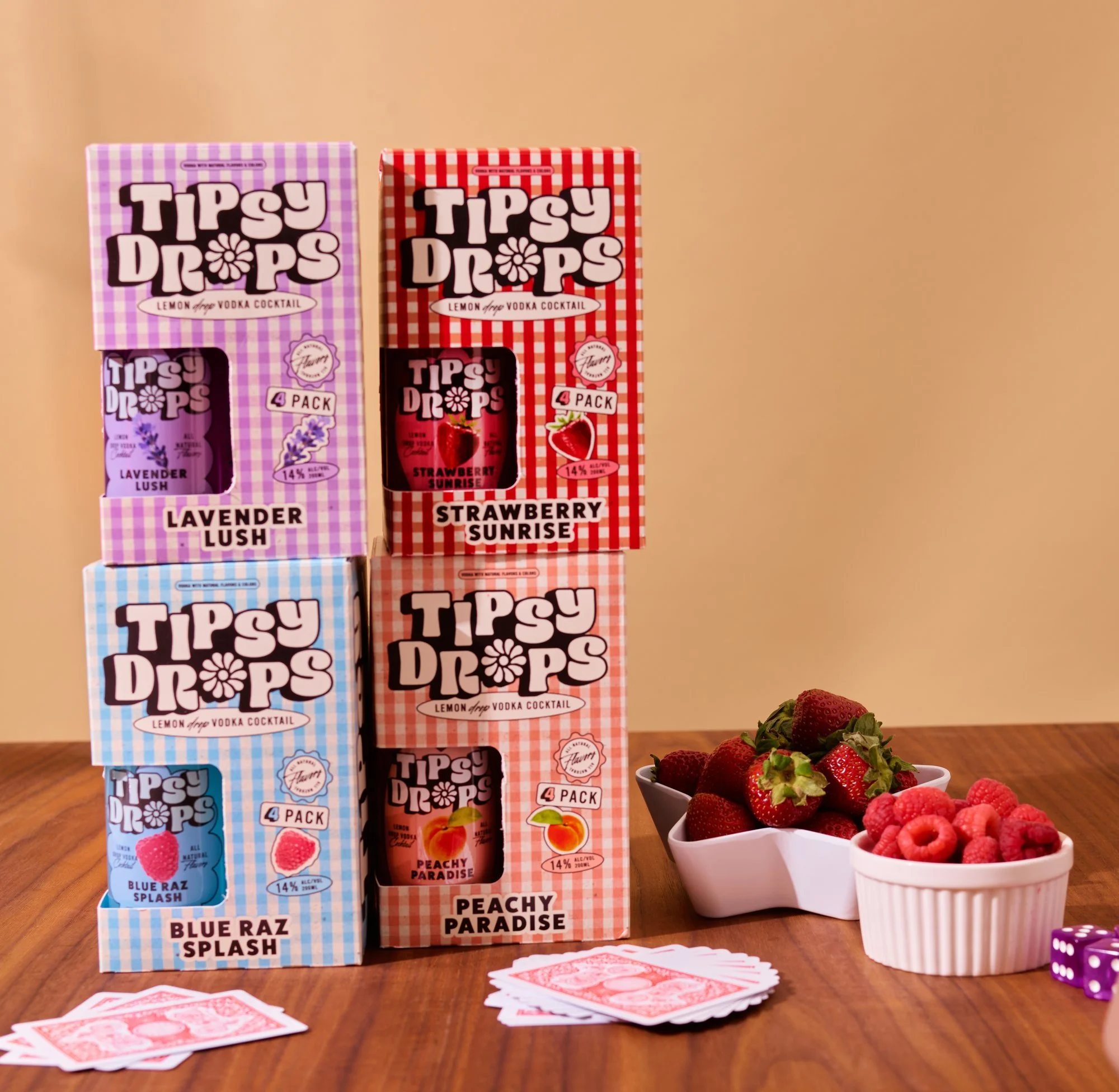
Each product on its own color, then swap the paper for the next flavor
Wide, close and macro views of the same arrangement
Hand models lifting, holding, opening and sharing the product
Props and fresh ingredients moved in and out to change the story
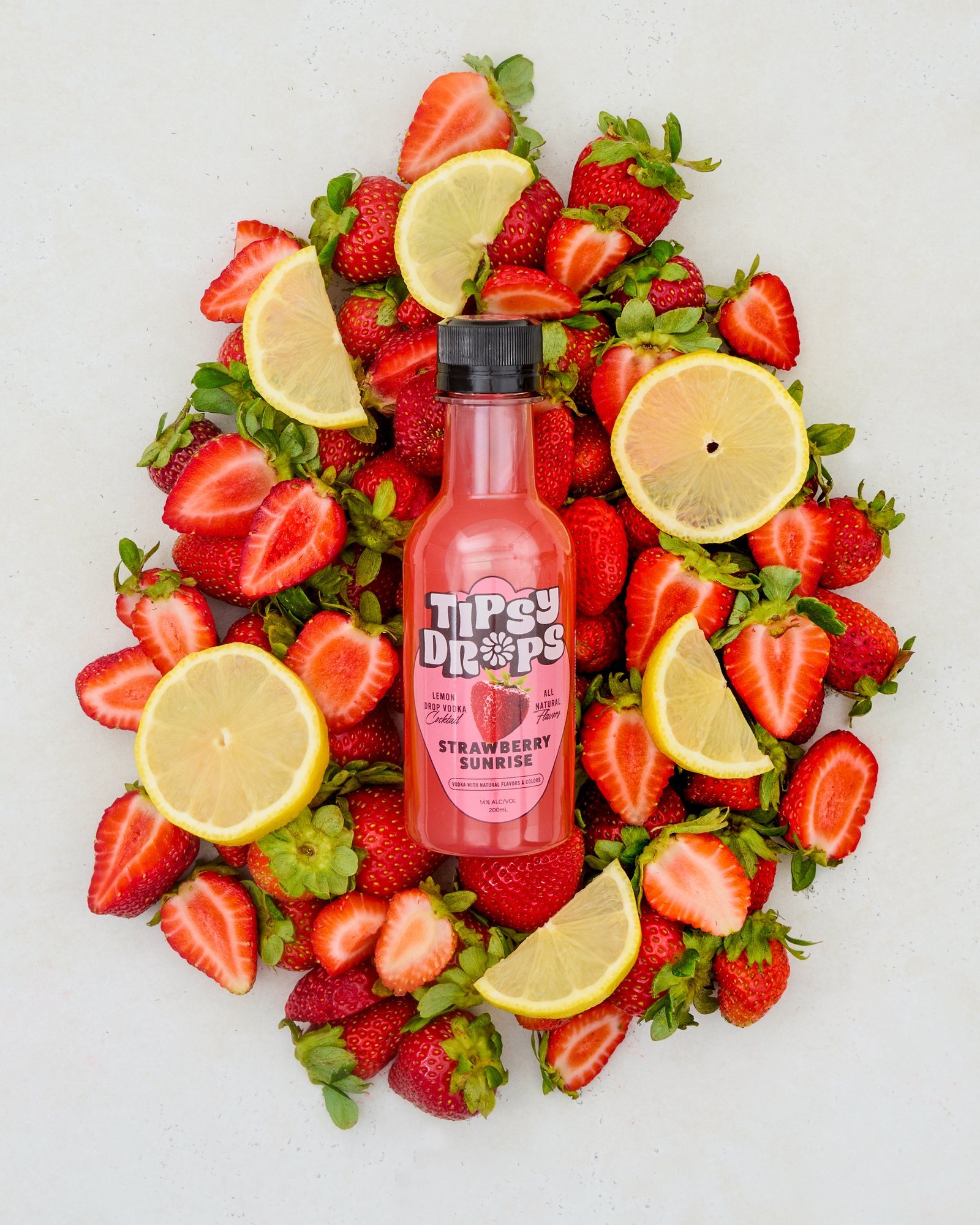
Beauty shots: condensation, texture, the label clean and facing camera
The lighting stays put, so the time goes into shooting, not setting up. That's where the volume comes from.
Models are bang for the buck
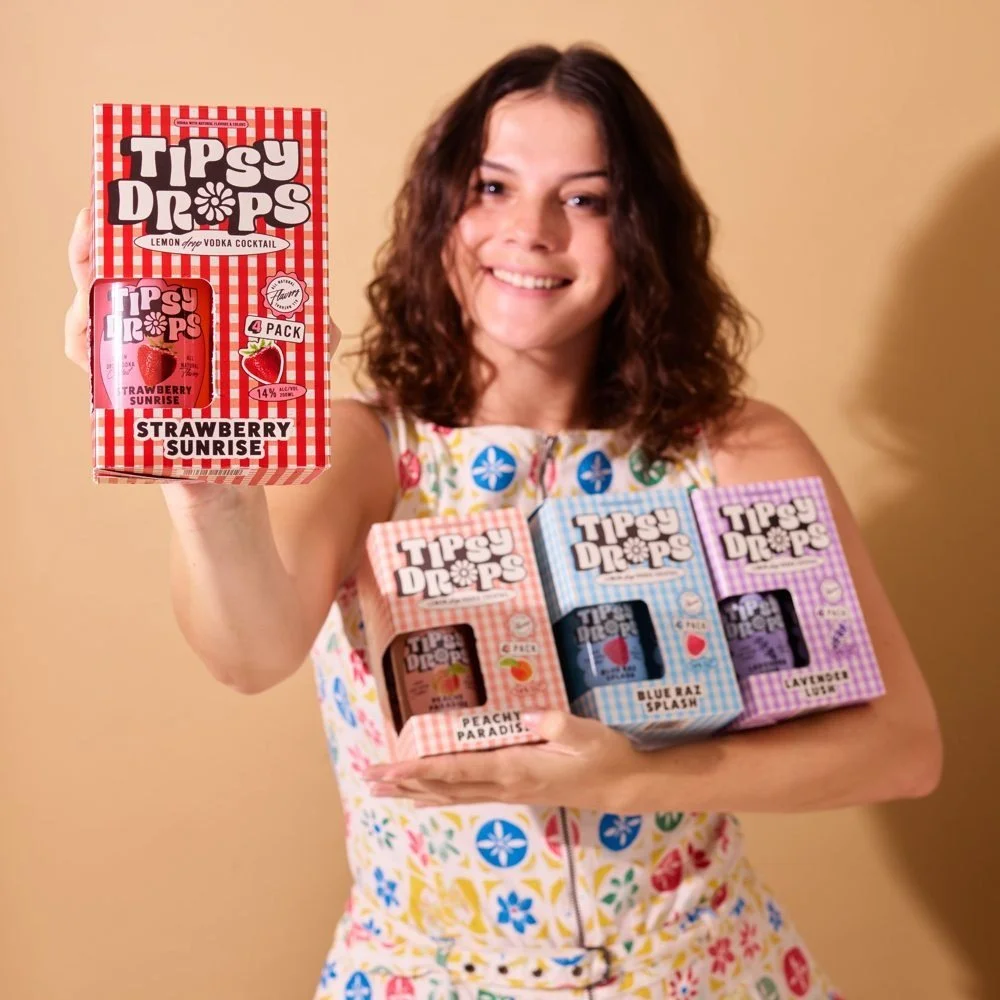
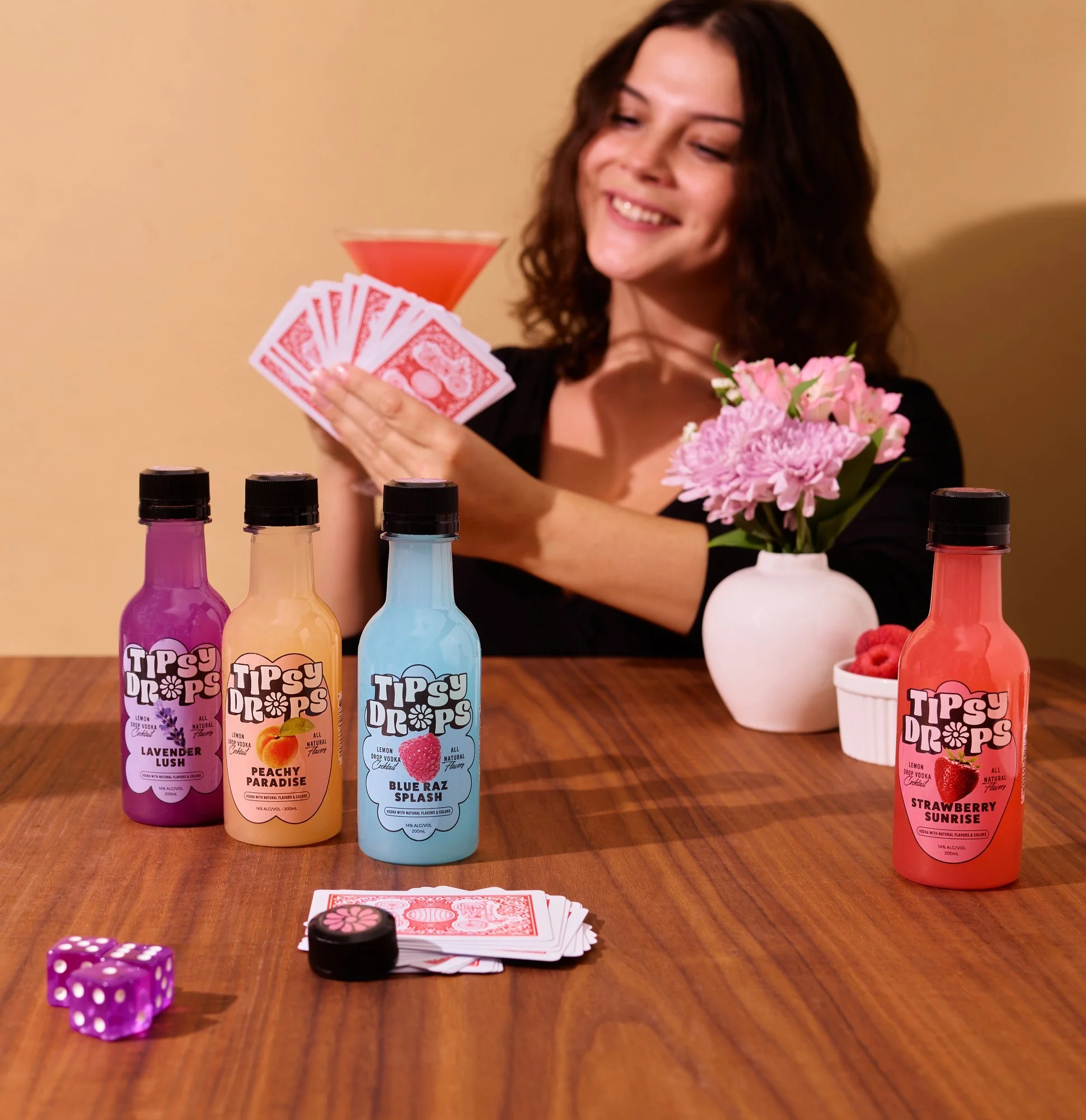
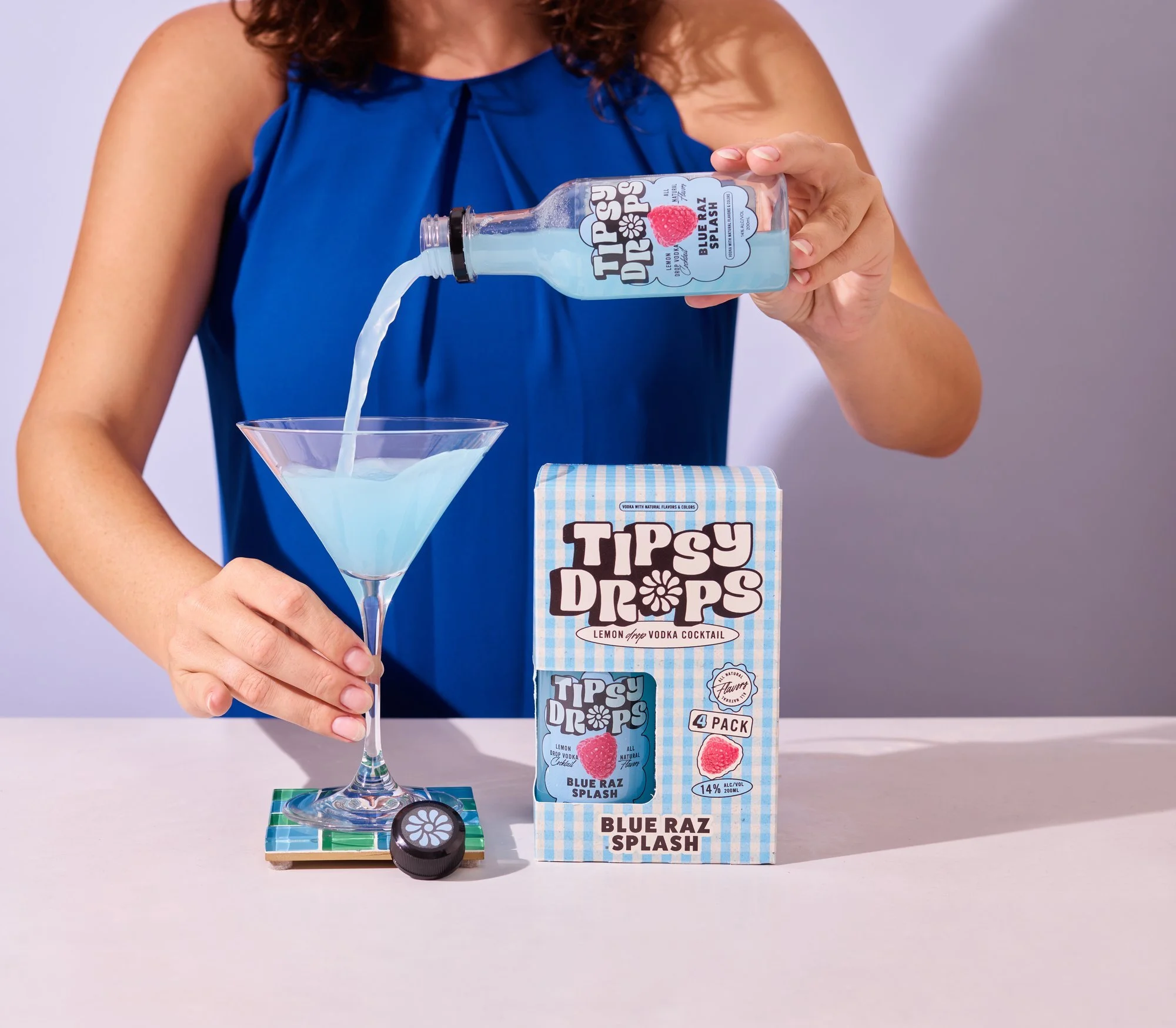
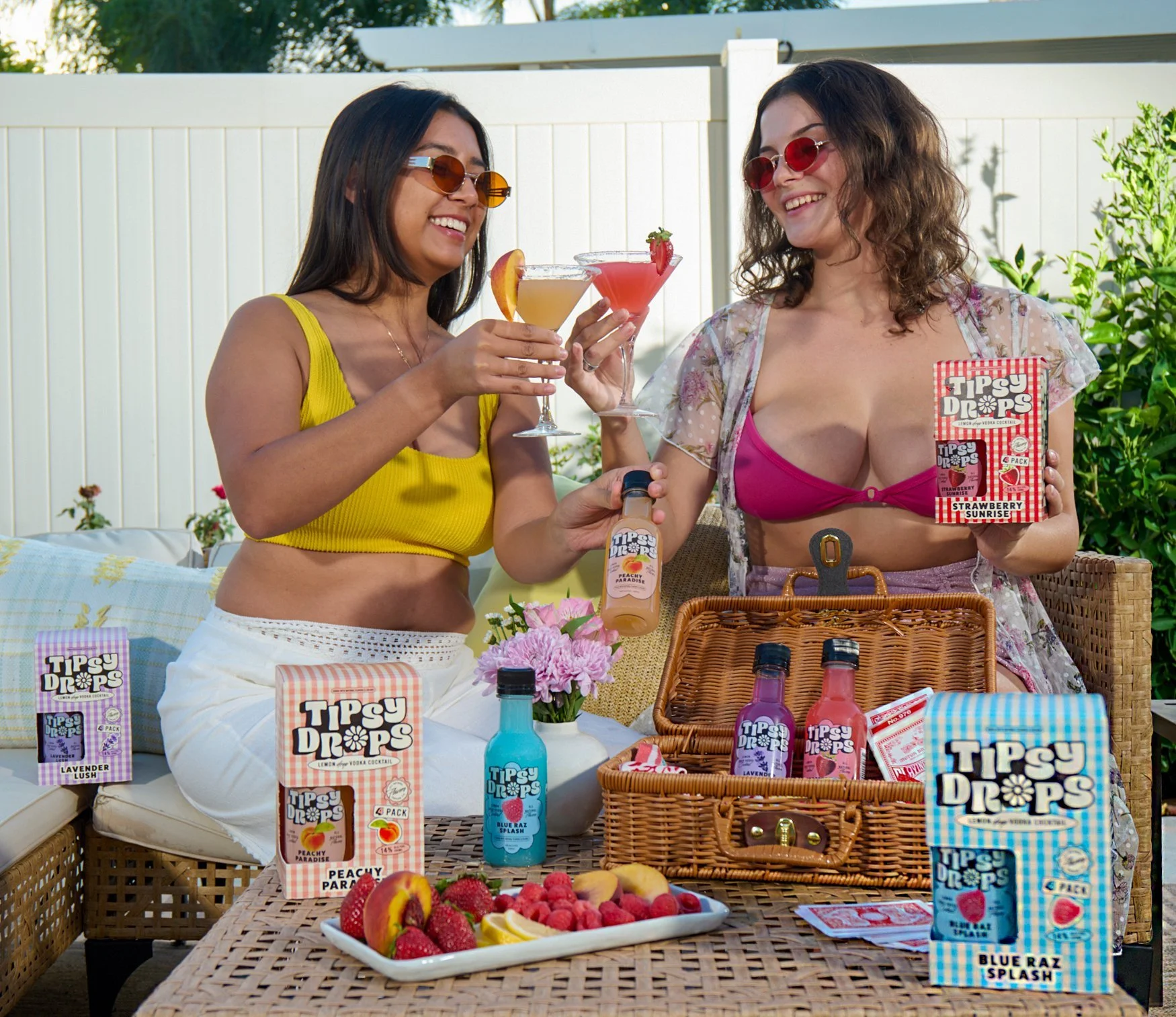
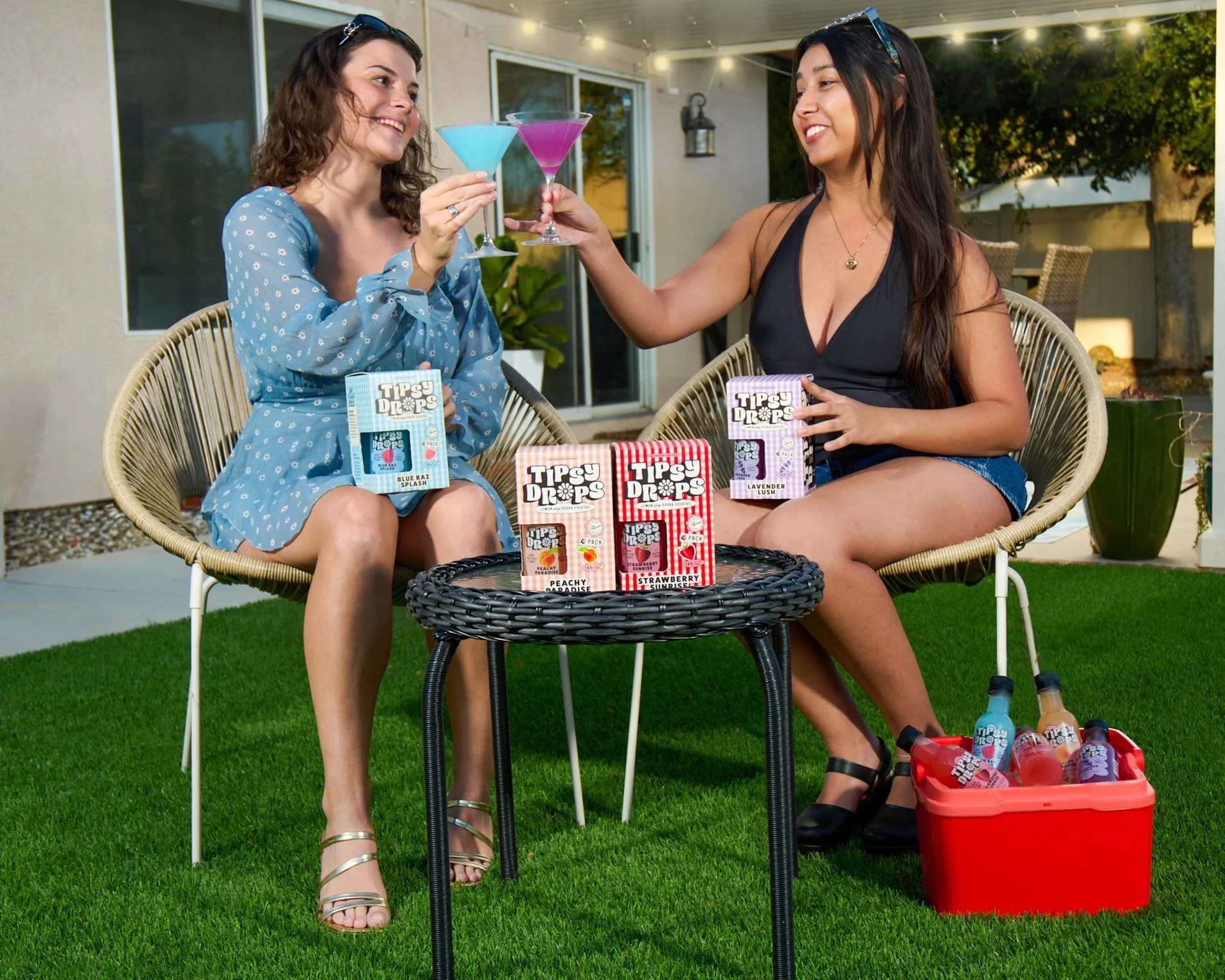
Models are the fastest way to multiply your shot count. Once the lifestyle set is lit, people bring the variety, not the set.
We work with our own studio models, people we've curated and trained to handle product on camera. Casting for a specific look adds a lot of cost and weeks of lead time, so we don't cast for each shoot. That keeps the day affordable and the timeline short. Products always face the camera and are handled well. Most packaged products are small, so hands and torsos tell the story best: holding, opening, pouring, and sharing, with the product as the hero.
They change outfits or sleeves, and the same set looks new
They move around: pouring, toasting, laughing, passing the product
We go wide for the scene, then close for hands and the label
We capture short video clips at the same time, with no extra setup
One good lifestyle set with two models can deliver more usable images than three separate sets built from scratch.
What eats the clock
The biggest time cost on a shoot day is changing sets, not taking pictures. Every time we move to a really different look, the whole thing starts over.
New surfaces, props, and backgrounds to build and style
The whole set relit from scratch
A new test shot and approval before we roll again
Studio to lifestyle: new furniture, new light, models in place
Some shots are slow on their own. Pours and splashes need their own lighting, and several takes to get a clean, strong pour with the logo facing the camera. Drinks have to glow, not look like motor oil. Those are worth doing, but each one costs the time of several simple shots.
So a list with ten different looks will always give you fewer images than a list built on two or three sets.
Too many cooks
The other big time drain is a whole team approving every frame. Five people on a call means five sets of ideas, and they rarely agree.
One person wants the can turned. Another wants a different glass. Someone suggests trying it on blue. Then the experiments start, the set gets pulled apart, and six hours later you're still on the same photo. It usually isn't even a better photo.
The fix is simple: pick one approver. Everyone else can watch the selects come in after the shoot. One clear voice keeps the day moving, and you walk away with far more images.
It also gives us a little creative room. Once the key shots are approved, letting us play with angles, moments, and details gives you more variety in the same hours.
Get the most from your shoot day
Count sets, not images. Two or three simple sets will give you the most content.
Keep the looks related: different colors and props on the same setup, not a new world every hour.
Use models for variety. Outfits, movement, and close-ups multiply your shots.
Save the heavy lifts, like splashes, night scenes, and new locations, for a second day.
Choose one approver, and give us room to play once the key shots are done.
We love big ideas. We just plan them so your budget turns into as many great images as possible, not one perfect photo and a lot of moving furniture.