
Glossy film, foil bags, shrink wrap, and printed labels all fight the camera, and each one fails in its own way. The fix is almost always the same idea: control what the surface reflects, not the light that hits it.
Case Studies
See more of our CPG photography and food photography.
Questions about usage rights, timing or shipping your products? See our photography FAQs.
See our packshot photography.
Glossy packs: shape the reflection
A glossy pack acts like a mirror. A bright, hard light creates a hot spot, so we use large, soft light sources and move them, or move the pack, until the reflection slides off the label. A polarizing filter removes much of what is left and keeps colors rich.
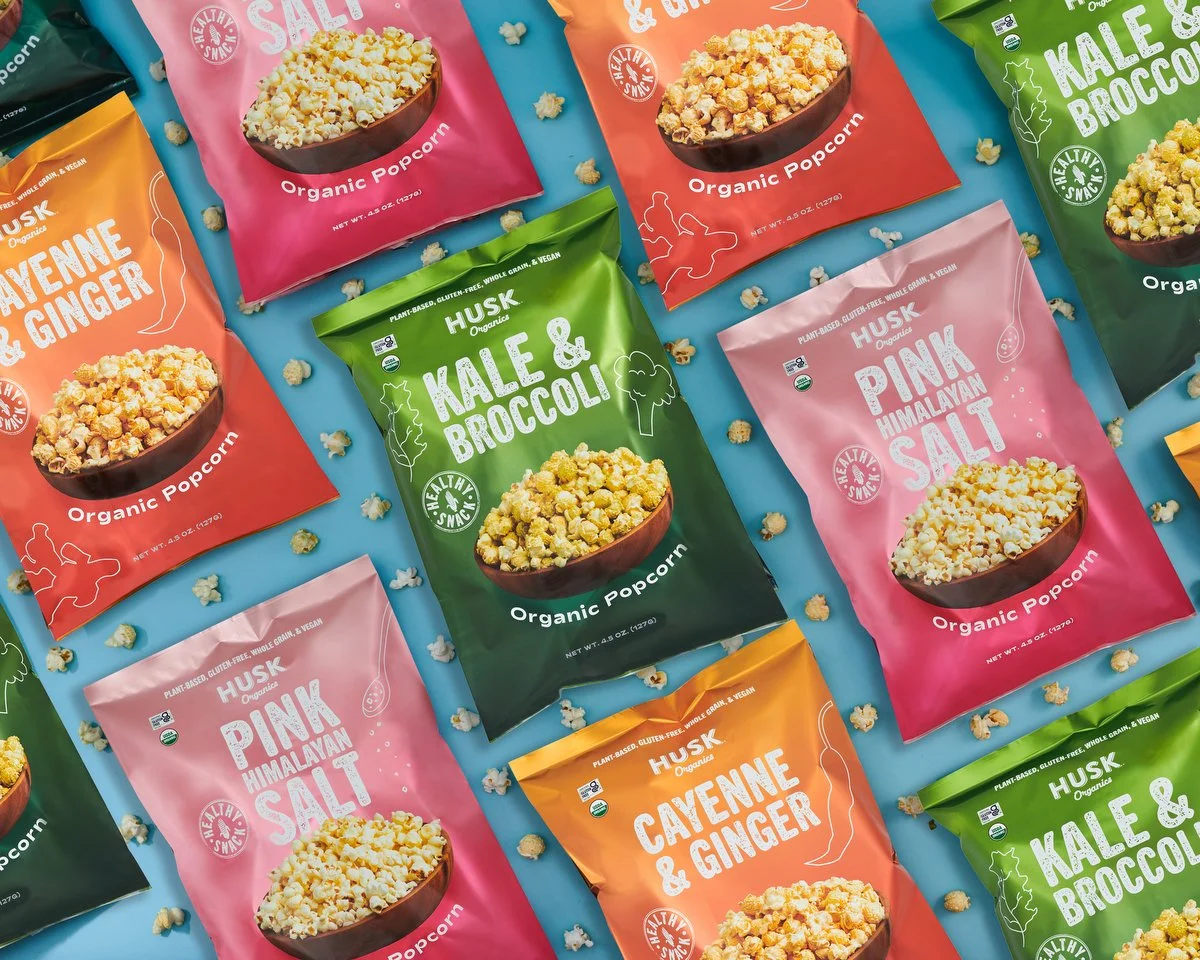
Foil and metallic: fill the surface
Foil reflects whatever is around it. If a dark studio wall is mirrored in the bag, the color turns muddy. We surround the pack with large white or lightly colored cards so the foil reflects an even glow, and then fine-tune with black cards to keep the edges defined.
Shrink wrap and clear film: start with a good sample
Wrinkles in wrap or film are best fixed at the sample stage. Sending fresh, tight samples saves hours. Whatever is left, we retouch carefully, and we never alter the label, claims or legally required text.
Labels need to be true to the real pack
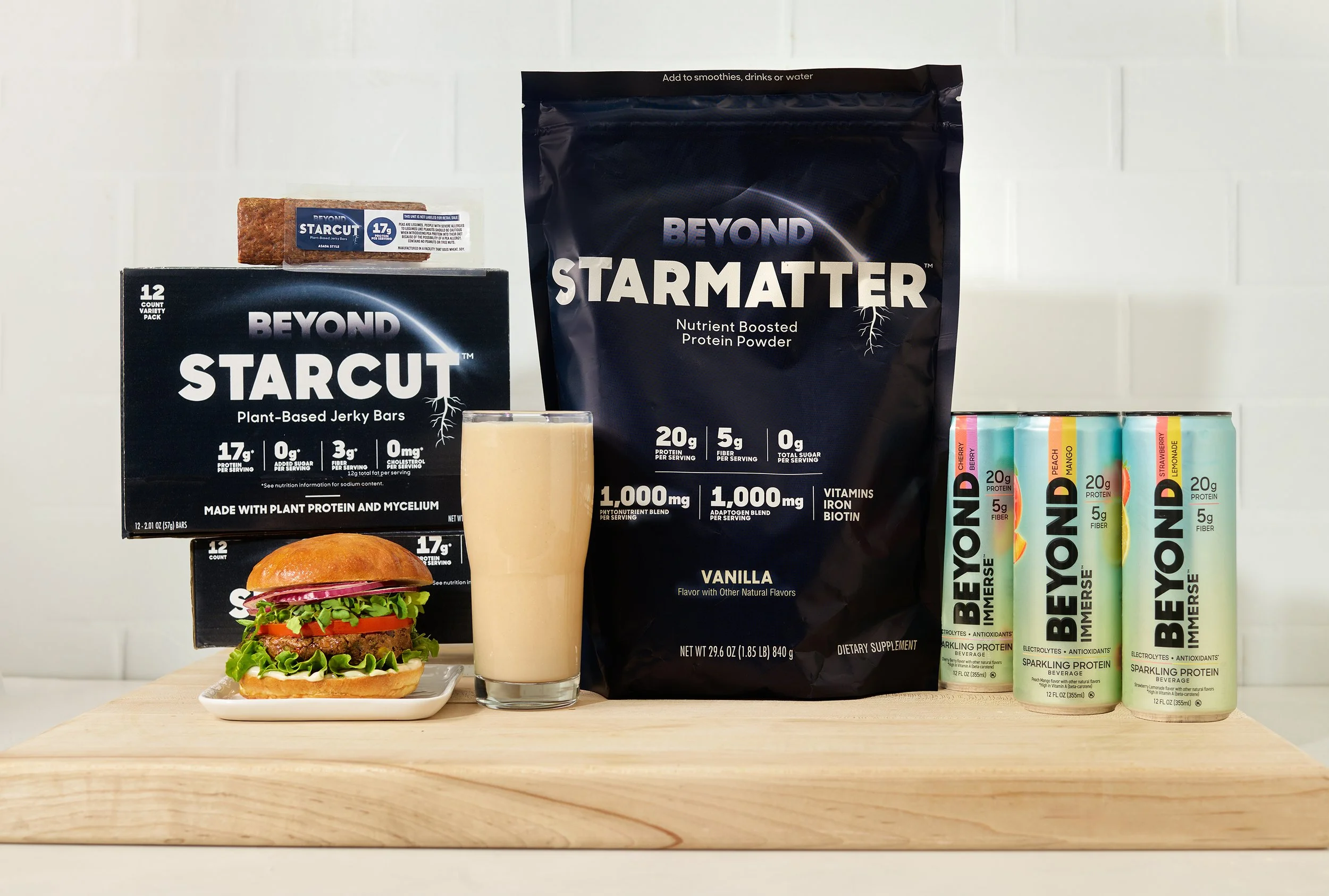
Buyers, retailers, and Amazon expect the image to match what arrives on the shelf. We check colors against your printed pack, keep all text readable, and never change claims, ingredients, or nutrition panels.
Plan ahead
Ship extra samples of every pack.
Tell us which packs are foil, metallic, clear, or glossy so we can plan the lighting.
Send your brand color references.
Let us know about any claims or text that must stay perfectly readable.
Have a tricky pack?
Tell us what your package is made of, and we will plan the lighting for it before the shoot. Schedule a free call.
Read more from the library
Explore more: Products, CPG Photography, Food