

CPG Photography Library
Welcome to the CPG Photography Library, our growing collection of practical guides for the people who bring food, beverage, and CPG products to life. Whether you are a brand getting ready for a launch, a marketer planning a shoot, or an agency building a library for a client, you will find clear, no-jargon answers here: how many images a product really needs, what belongs on a shot list, how to meet GS1 and retailer standards, when stop motion earns its keep, and how one well-planned shoot can cover every channel. Everything we share comes straight from the studio, from real client work and real problems solved. Browse, save what helps, and reach out any time you want to turn an idea into a finished library.
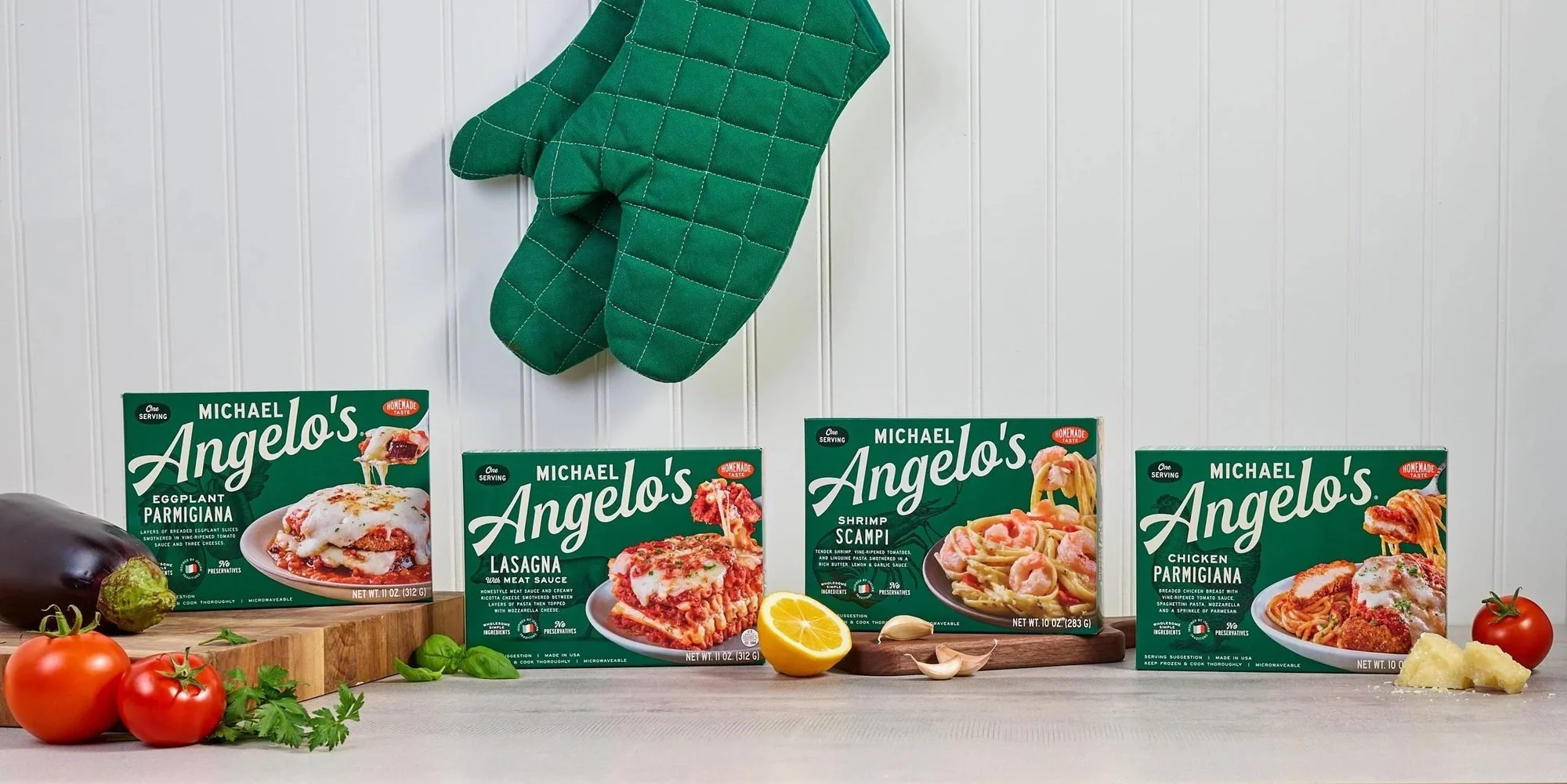
Frozen Food Photography: Making Frozen Look Craveable
Frozen food photographs badly, and brands know it. Here is how we make it look like it came from a very good kitchen while still looking like what is in the box.

One Shoot, Every Channel: Building Images That Fit Everywhere
A product photo has to work in a dozen places. Here is how we shoot one product for vertical, square, and wide, with room for text and clean crops every time.

CPG Product Photography Success Guide - Printable PDF
A free printable guide to a successful CPG product photography shoot with our studio, from what to ship to how to review your final images.

What to Ship for a Product Shoot, and How to Join Live on Zoom
Ship us your product, send a short brief, and join the shoot live on Zoom. Here is what to send and how the live session works.

How Many Images Does a CPG Product Need?
Most CPG products need 7 to 12 images: a clean main image, supporting images that explain the product, and lifestyle shots. Here is how to plan the set.

GS1 Image Standards Explained for CPG Brands
The GS1 Product Image Specification tells brands how to shoot, size, name and deliver product images so retailers and distributors can load them automatically.

Why Product Images Fail on Amazon and Retail Sites
Product images fail for two reasons: they break the marketplace rules, or they do not persuade the shopper. Here is how to spot both and fix them.