How Many Images Does a CPG Product Need?
Most CPG products need 7 to 12 images: one clean main image, 3 to 5 supporting images that explain the product, and a few lifestyle shots that show it in real life. The exact number depends on where the product sells, so plan for the strictest retailer first, and you will cover the rest.
The core set
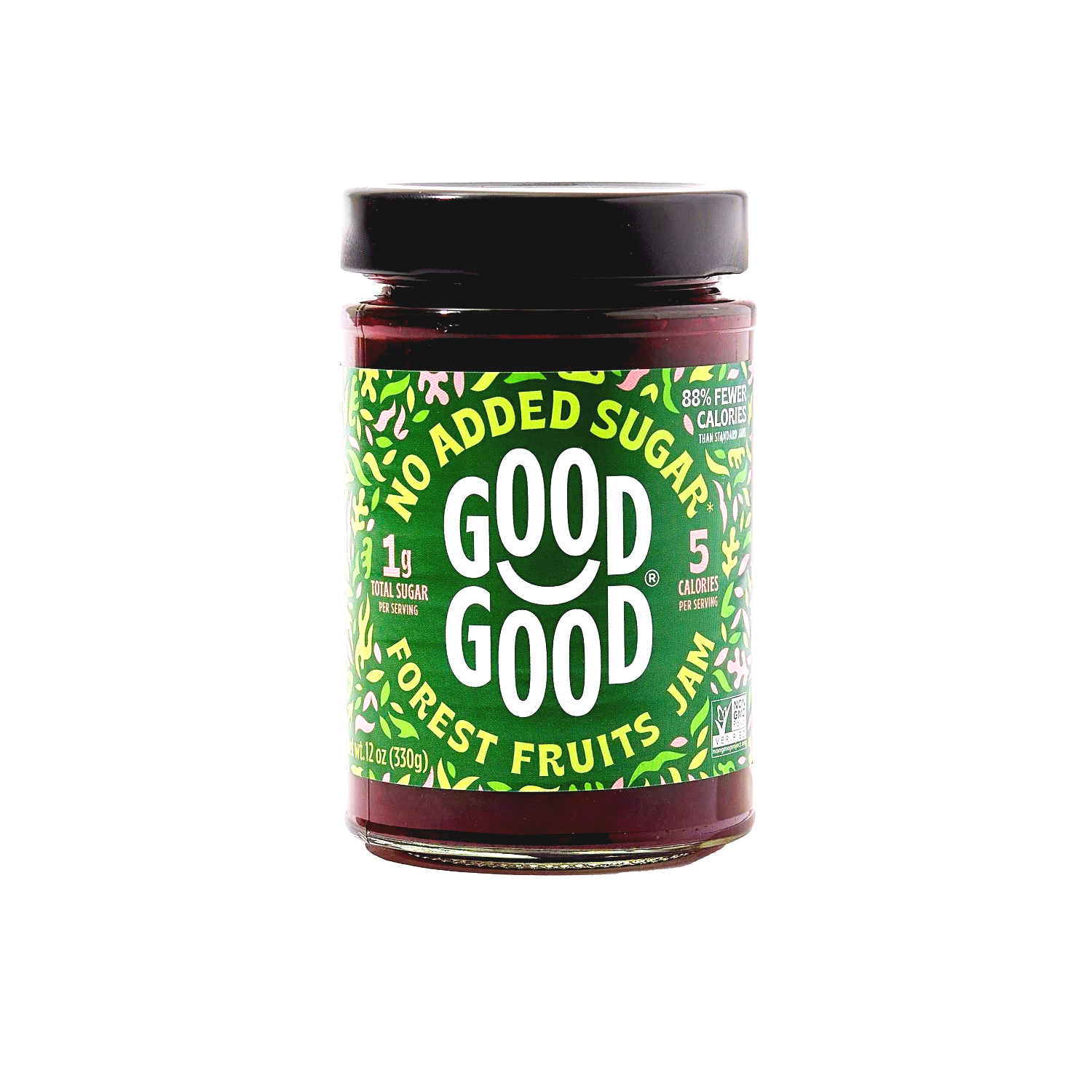
Main image
Product alone on pure white
Required by Amazon and most retailers; it is the first thing a shopper sees
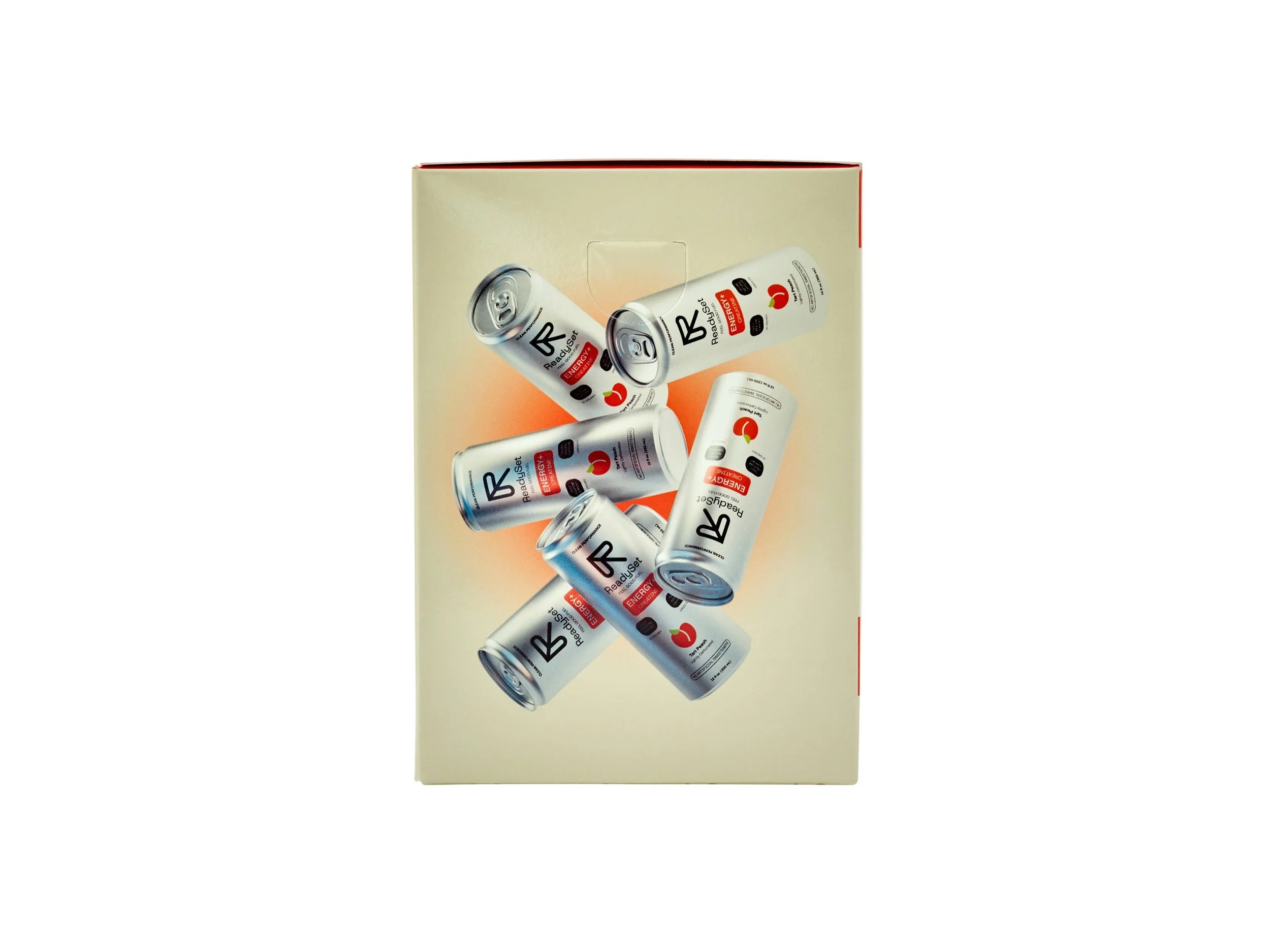
Back of pack
Nutrition, ingredients, claims
Shoppers read labels, and retailers often require it
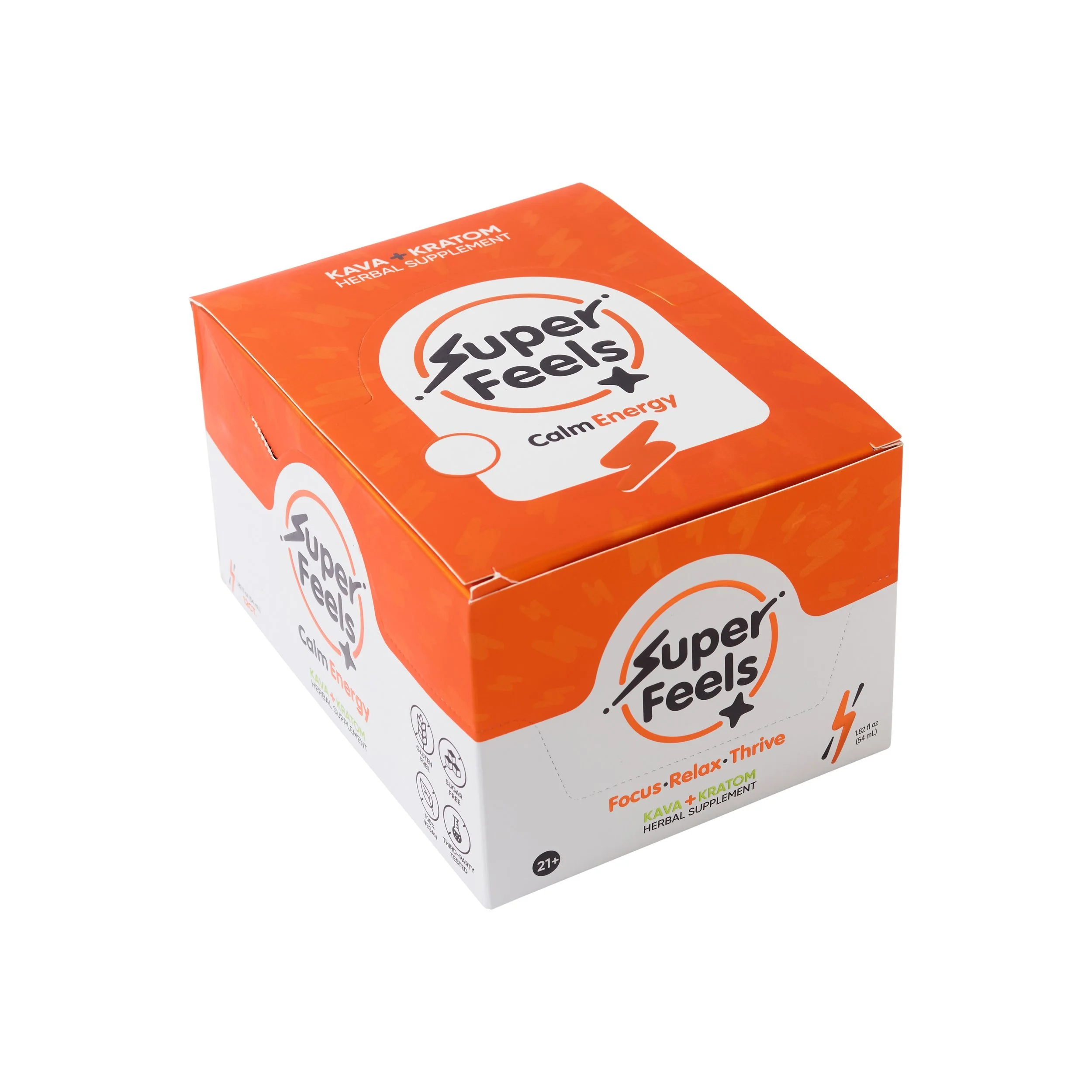
Angle or side view
Shows depth and shape
Helps the product look real, not flat
Close-up or texture

Shows what is inside or the finish
Builds appetite and trust
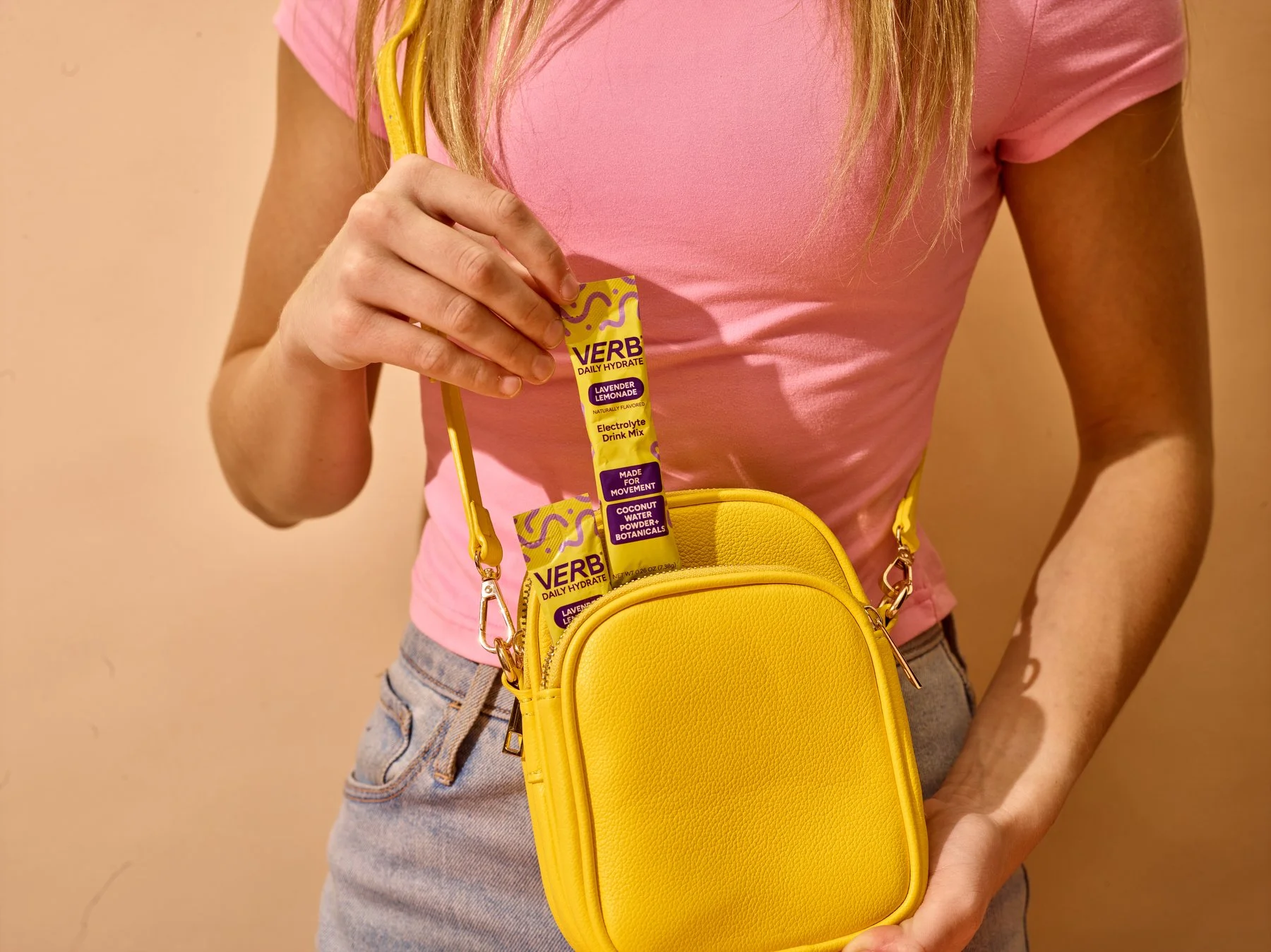
Scale or size comparison
Shows how big it is in relation to other every day objects
Can be attractive to show use
Cuts down on returns and "is this the right size" questions
Infographic
Key benefits in a few words
Portable is a popular concept
Many shoppers decide from images alone
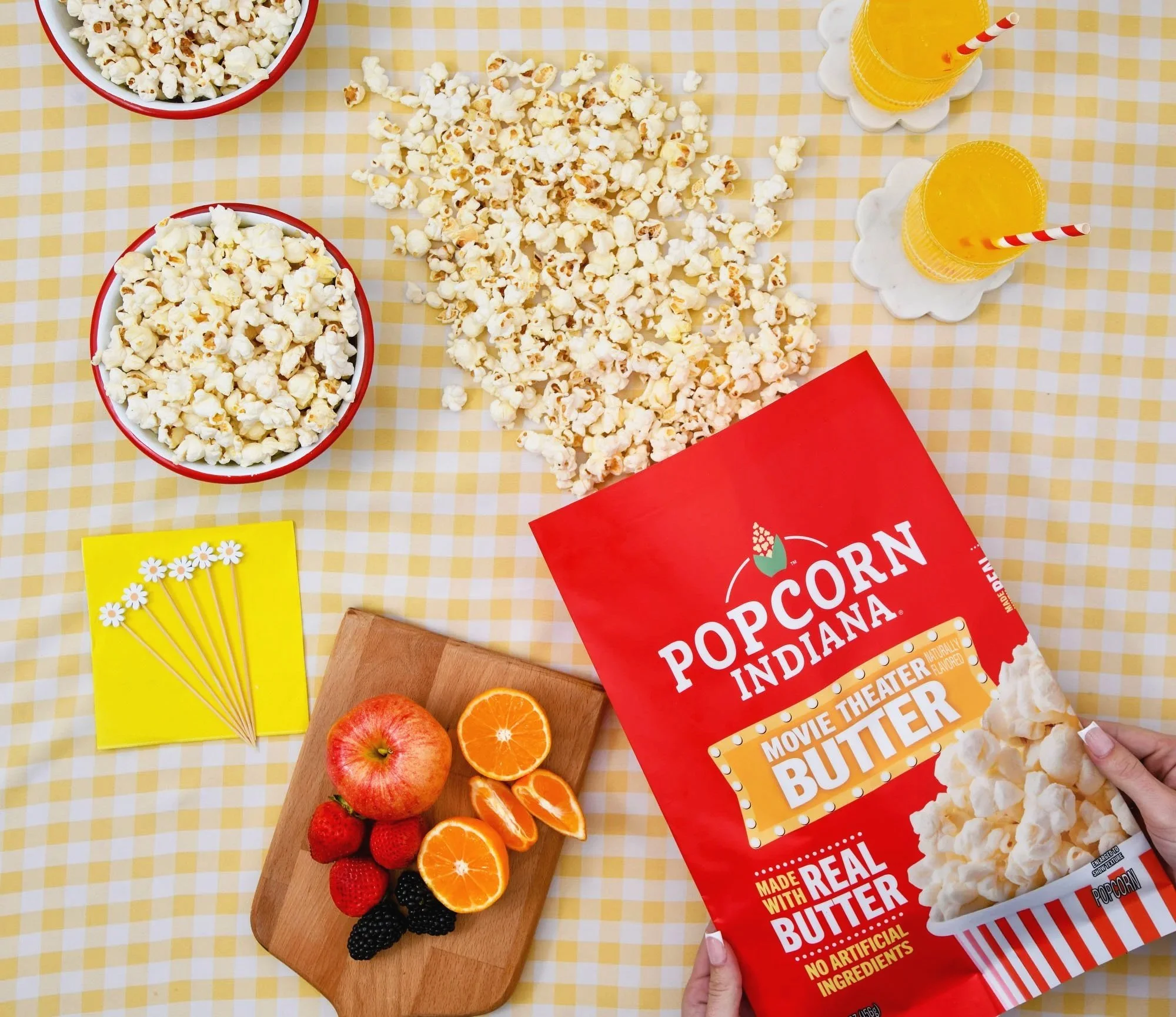
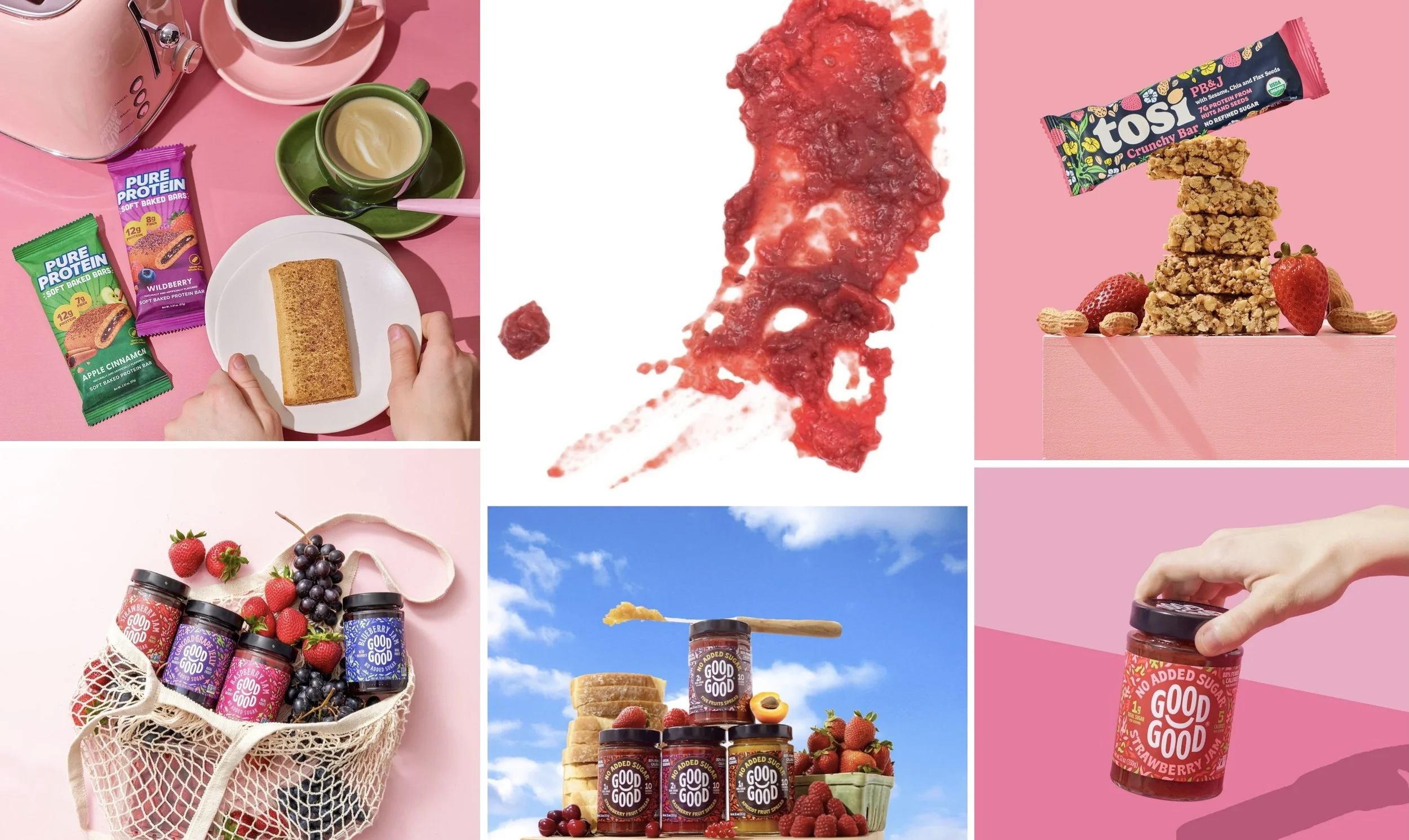
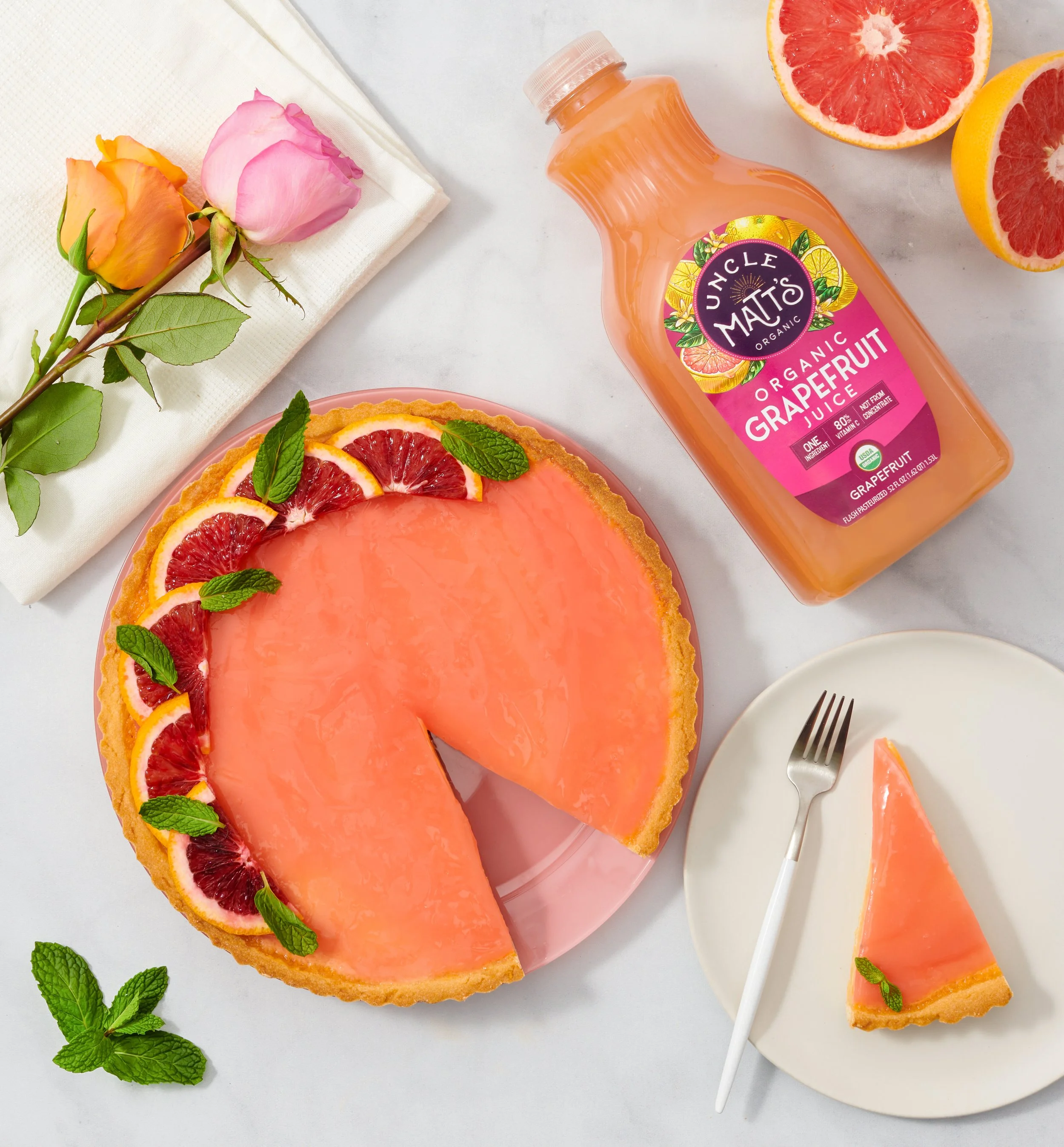
Lifestyle
Product in a real setting
Gives the shopper a reason to want it
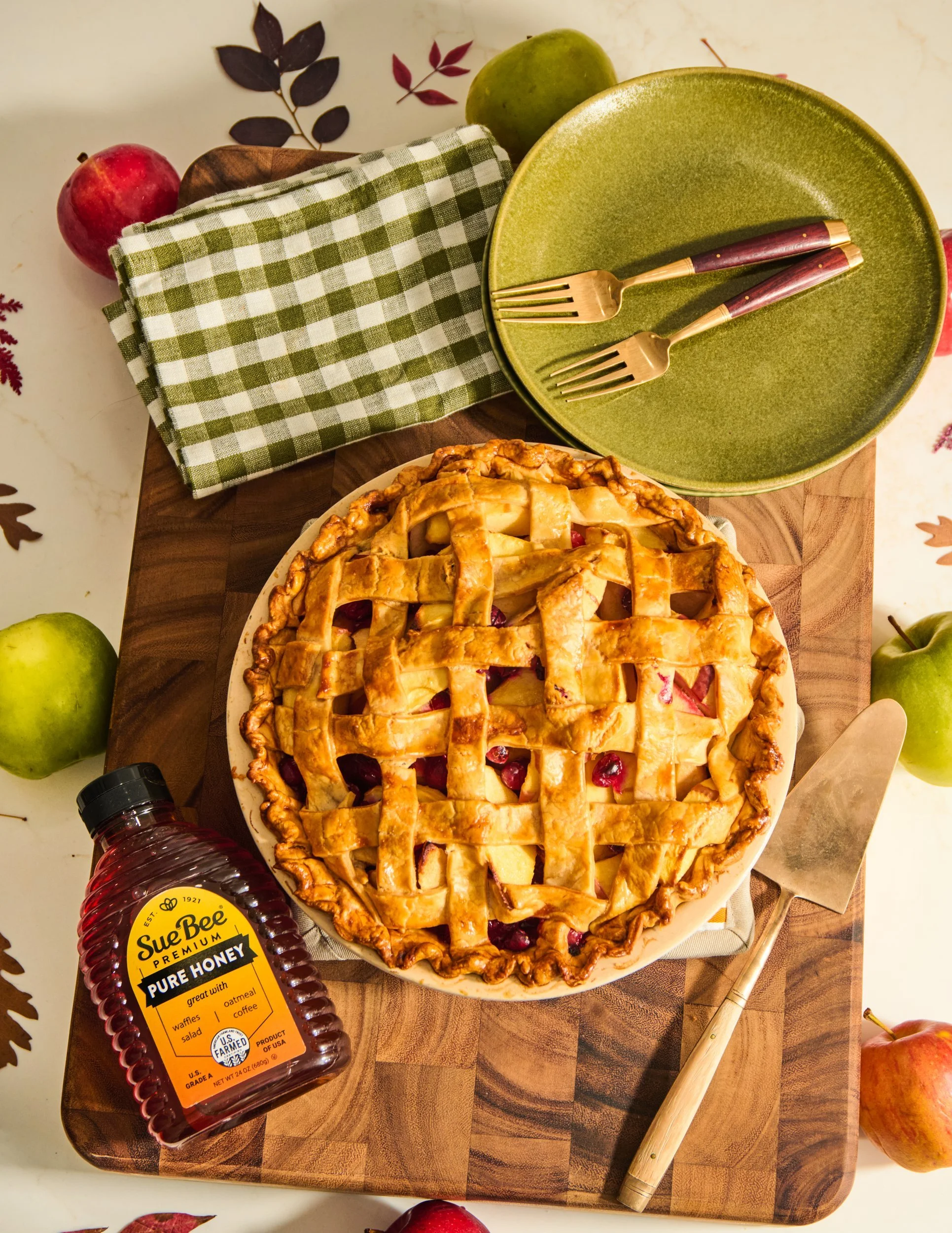
Prepared or in-use
Plated food, poured drink, product in hand
Shows the result, which is what people buy
What Amazon expects
On Amazon, the main image must show only the product on a pure white background, with no text, logos, badges, or props, and the product should fill at least 85 percent of the frame. Plan for at least 1,600 pixels on the longest side so shoppers can zoom (verify the current minimum in Seller Central). You can add several more images after the main one, including text, lifestyle scenes, and infographics, as long as they are accurate and not misleading.

What other retailers expect
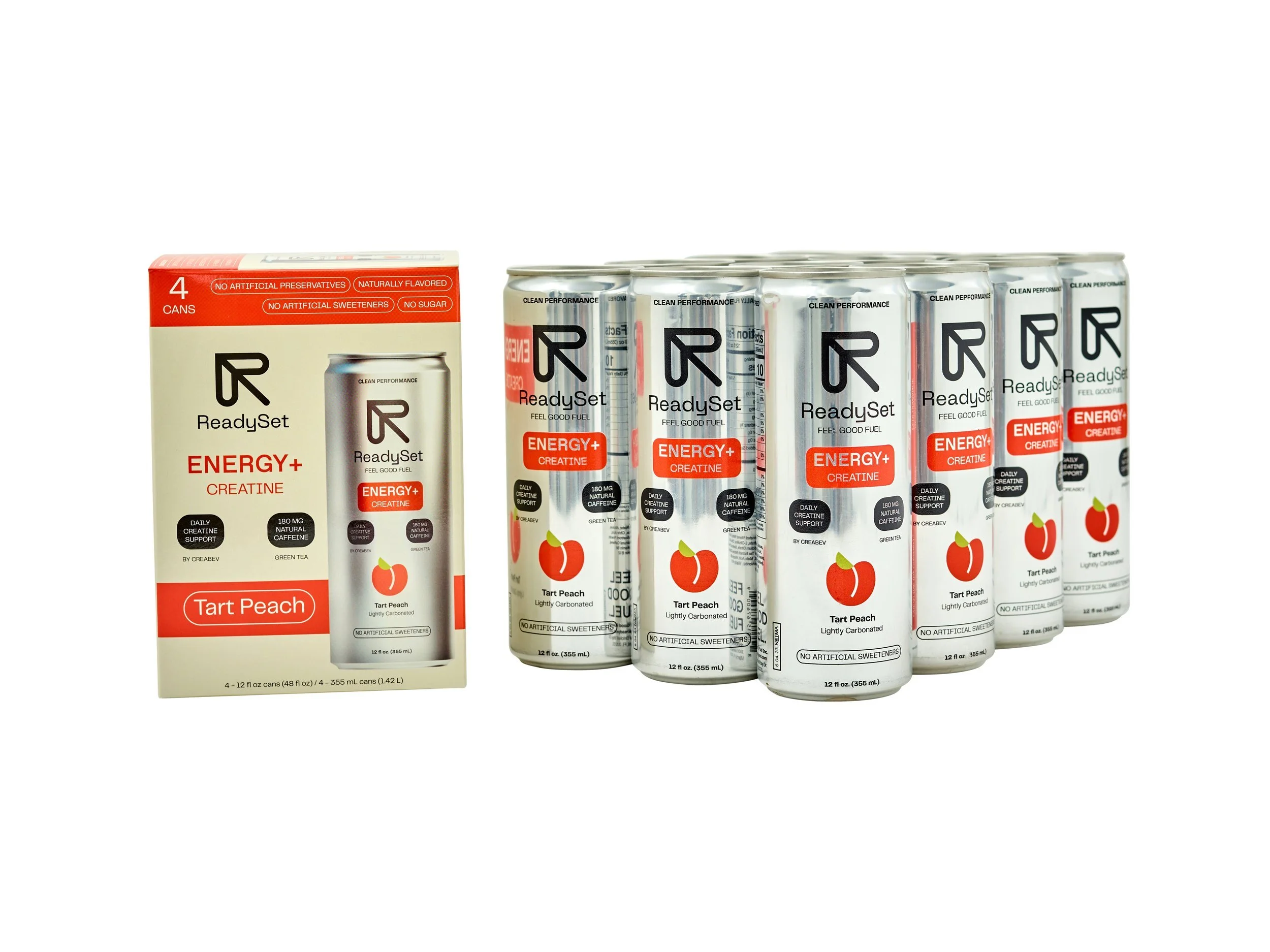
Grocery and club retailers often follow the GS1 image standard, which requires front, back, top, and side views, a specific file name, and a pure white background. Distributors such as US Foods ask for at least 2,400 pixels on each side at 300 dpi and reject images that don’t follow the naming rules. See our guide to GS1 image standards for the details.
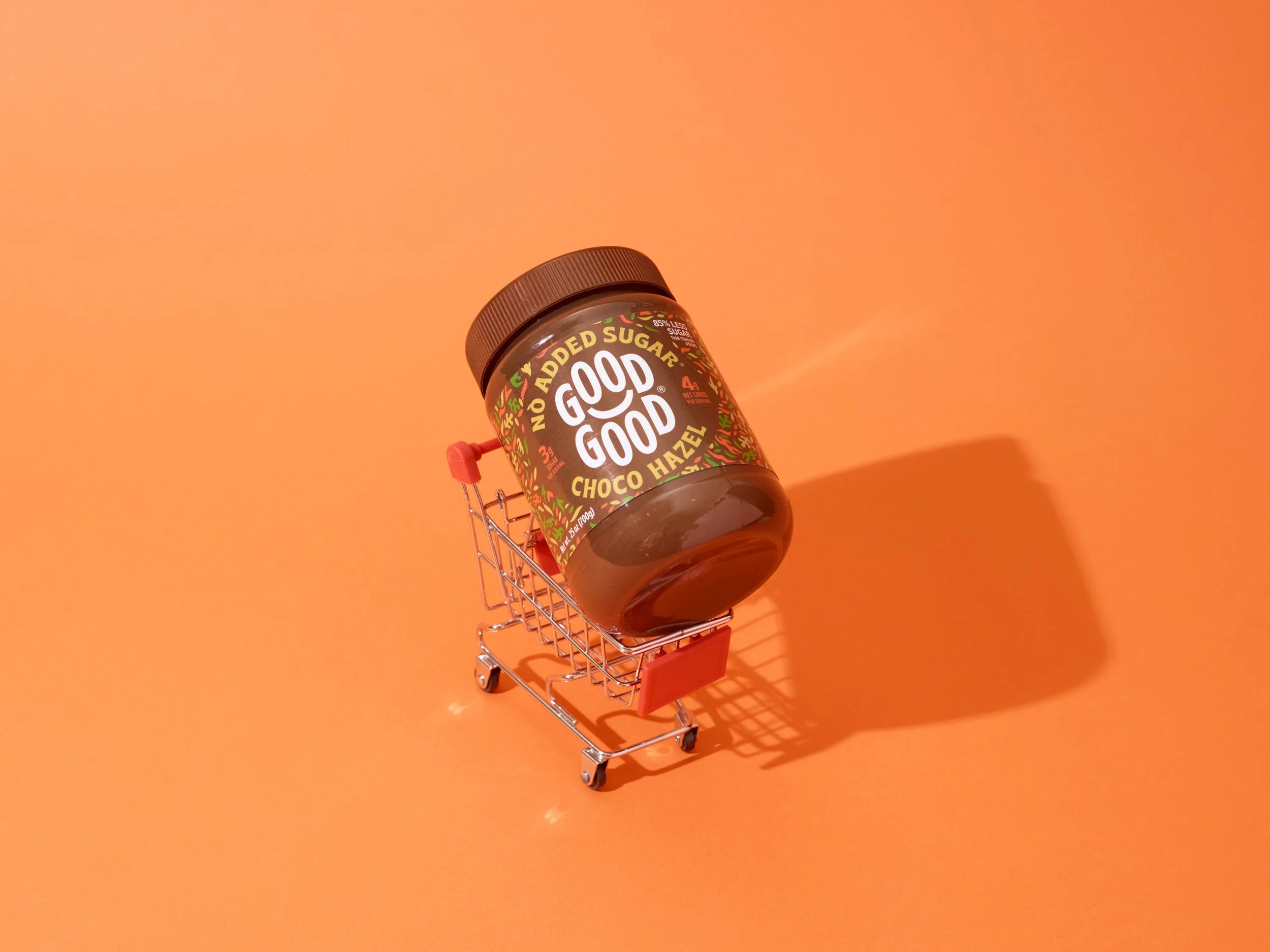
A simple way to plan
Decide where you'll sell the product first: Amazon, grocery, club, direct-to-consumer, or all of them.
List the strictest requirements and build the main and angle images to meet them.
Add lifestyle and infographic images that fit your brand, since that's where you stand out.
Shoot everything in one session so color, lighting, and style match across the set.
Shooting everything together is also the cheapest option because the product is already set up and styled.
Not sure how many you need?
Tell us about your product and where it will sell, and we will map out the image set before the shoot.