A shopper in a grocery aisle looks at the front of a package and decides. A foodservice buyer works differently. Chefs, operators and purchasing teams for restaurants, schools, hospitals and corporate dining order from distributor catalogs and online ordering platforms, and they want to see the whole product story before they commit to a case.
That is why foodservice listings ask for more image types than a retail listing. Brands often find this out during distributor onboarding, when the request for images arrives and the only photos they have are front-of-pack shots. Here is what the full set looks like and how I shoot it.
The Six Foodservice Image Types
1. Closed case
The sealed shipping case on white, shot from the standard GS1 facings. This is what the receiving dock sees, so the case label and barcode need to be clear and readable.
2. Open case
The same case opened up so buyers can see how the product is packed inside and confirm the pack count.
3. Inner pack
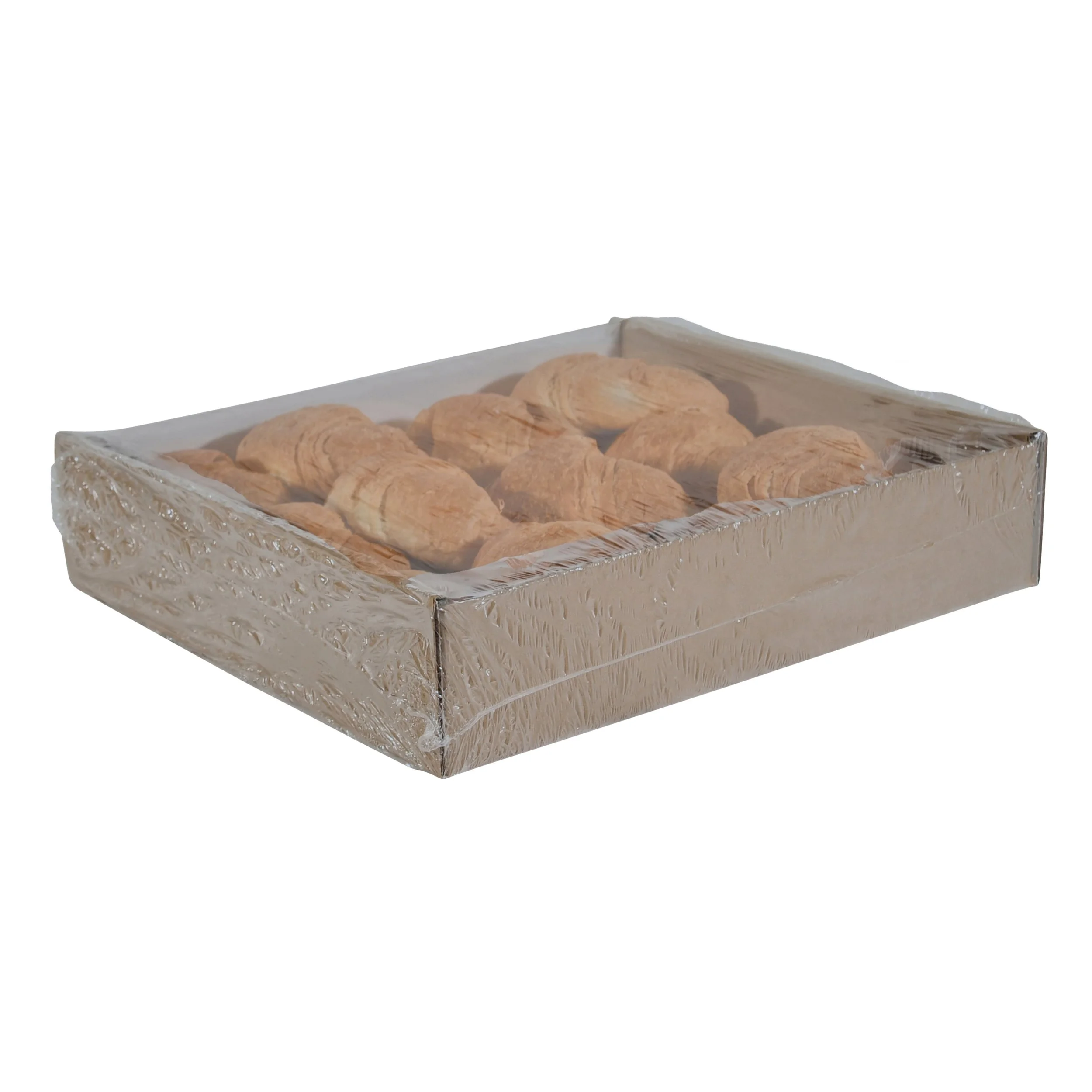
The bag, tray, pouch or sleeve that sits between the case and the product. Many foodservice items have one, and buyers want to know what they will be handling in the walk-in.
4. Raw or uncooked product
The product out of all packaging, before cooking. For frozen dough that means the dough pieces; for a sauce, the sauce in a bowl. This is how buyers judge quality and size.

5. Prepared
The product cooked or prepared following the package directions. A frozen croissant baked golden, a sauce heated and finished. It shows exactly what will come out of the operator's kitchen.
6. Plated or served
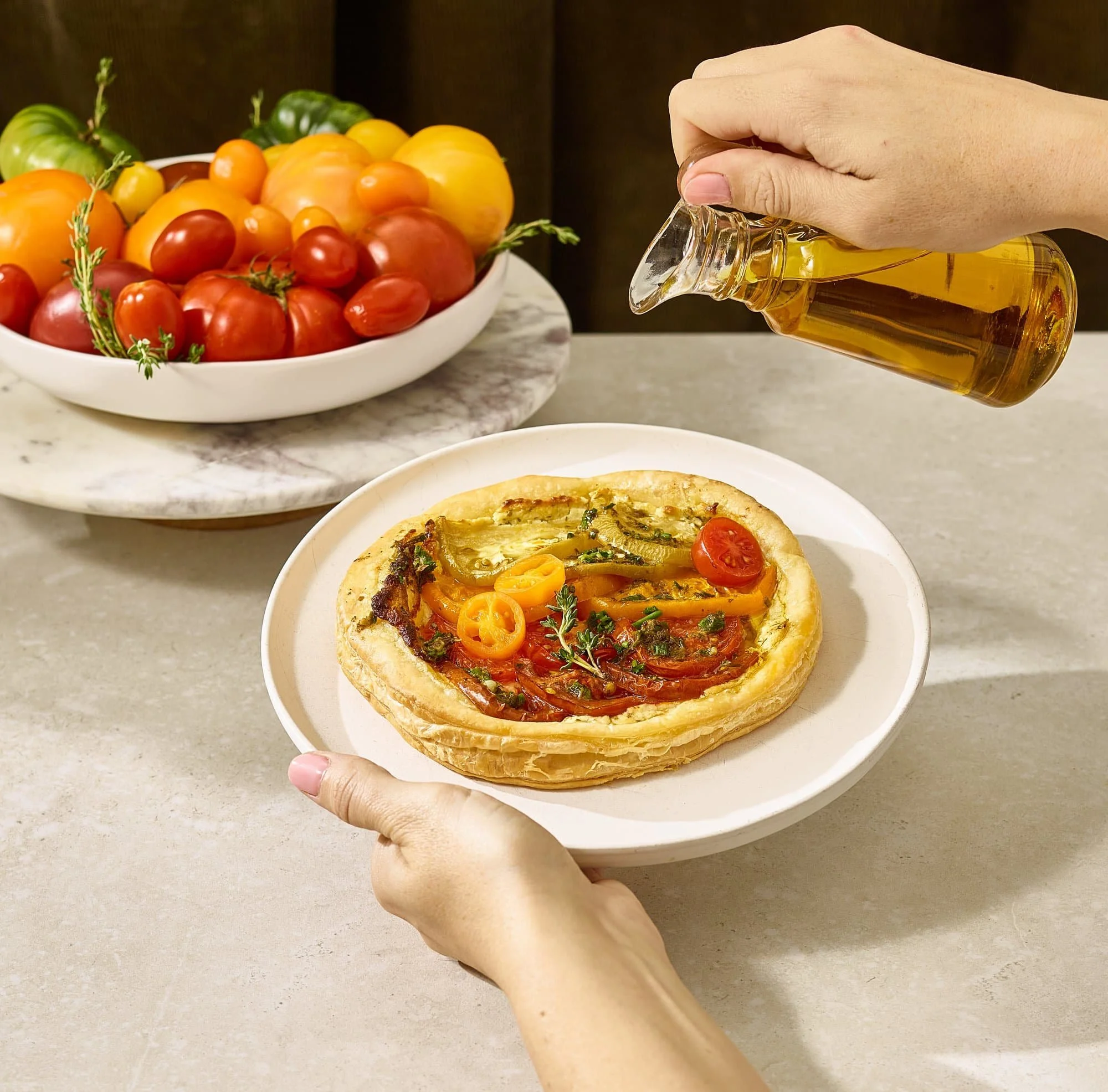
The prepared product on a plate, in a bowl or in a real serving setting. This is the shot that helps a menu planner picture the item on their menu, and it is the closest thing to a marketing image in a foodservice set.

Every Image Still Needs a GS1 File Name
The styled plate follows the same rules as the case shot. Each file is named with the product's 14-digit GTIN plus codes for the image type, the facing and whether the product is in or out of the package, raw, prepared or plated. Distributors and data pools load images by those names, so a beautiful photo with the wrong file name can still be rejected. I name and size every file to the GS1 US Product Image Specification before delivery. For the details, see GS1 Image Standards Explained for CPG Brands.
Distributors Add Their Own Rules
Large distributors such as US Foods and Sysco receive product content through GDSN data pools, and each one publishes its own image requirements on top of the GS1 standard. Requirements change, so I always ask for each distributor's current spec before the shoot and match it.
Go Past the Plated Shot: Lifestyle Images for Foodservice
The GS1 set gets your product listed. Lifestyle images get it ordered. A clean case shot tells a buyer what arrives at the dock, but a photo of your product on a real menu, in a real kitchen, served to real guests is what makes a chef or operator picture it in their own operation.
Most foodservice brands stop at the plated shot because that is all the distributor asked for. That leaves the sales team with nothing to show beyond a white background. I shoot lifestyle images in the same session as the GS1 set, with the same products, so your listing and your marketing match.
Lifestyle shots that sell to operators
Menu applications: your product as the hero of three or four real menu items, so chefs see more than one way to use it.
Back of house: prep on the line, a sheet pan coming out of the oven, a cook plating at the pass. Operators want to see that it is easy to work with.
Front of house: served at the table, on a buffet, in a grab-and-go case or on a catering spread, with hands and talent when the story needs people.
Segment scenes: styled for the buyers you sell to, from restaurants and hotels to schools, hospitals and corporate cafeterias.
Detail and texture: the crumb of a baked good, the melt, the pour, the steam. The close-ups that make food look craveable.
Where foodservice lifestyle images go to work
Distributor catalogs and online ordering pages, alongside the GS1 images
Sell sheets, menu idea cards and broker presentations
Trade show booths and show catalogs
Your website, LinkedIn and email to operators
Social content and short videos for your sales reps to share
I style every plate as a chef would put it out on a real line, and my studio has two shooting bays plus lifestyle sets including a kitchen, dining room, family room, patio and backyard, so we can move from the GS1 set on white to a restaurant-style scene without a second production. For LBA Croissants, I shot the GS1 set first and then lifestyle images of the same products, so one shoot covered both the listings and the marketing. See more in my restaurant and foodservice photography and lifestyle photography.
Why One Studio Should Shoot the Whole Set
A complete foodservice set is really two kinds of photography. The case, open case and inner pack are product photography on white, lit for clean edges and readable labels. The raw, prepared and plated shots are food photography, and they need cooking, styling and a different lighting setup. Many studios do one or the other.
I do both under one roof. I am a CIA-trained chef with more than 20 years in commercial kitchens, and I have shot GS1 and foodservice images for brands and distributors including Sysco, Gordon Food Service, Sugar Foods and LBA Croissants. The same crew cooks the product, styles the plate, shoots the case and names every file, so nothing gets lost between a product studio and a food studio.
Keep the Whole Catalog Consistent
Shoot every SKU with the same image types, angles and lighting so your listings look like one brand.
Plan the shot list per SKU up front so nothing is missing when the distributor asks.
Keep the setup notes so new flavors, sizes and packaging updates match the original set later.
Plan Your Foodservice Image Set
Send me your SKU list, your distributors and your deadline, and I will put together one shot list that covers your GS1 images and your lifestyle images, with a custom quote. See my GS1 product photography and restaurant and foodservice photography, or book a free call.
Related reading: Foodservice Photography for Distributors and How Many Images Does a CPG Product Need?