
Fortune Cookies
The modern fortune cookie is often credited to Makoto Hagiwara, a Japanese immigrant who managed the Japanese Tea Garden in San Francisco’s Golden Gate Park in the early 1900s. Hagiwara is said to have served the cookies around 1914, adapting a traditional Japanese cracker called tsujiura senbei, which contained paper fortunes. Although some later claimed that Chinese restaurateurs in Los Angeles popularized the cookie, Hagiwara’s version is widely recognized as the first in the United States. His creation blended Japanese tradition with American novelty, eventually becoming a staple of Chinese-American restaurants across the nation.
They are commonly served at the end of meals in Chinese-American restaurants across the United States and other Western countries. Most diners at such restaurants expect one with the check or take-out order. Diners (especially of Chinese-American cuisine), event planners, marketers, and novelty-gift buyers all use fortune cookies today. A Brooklyn, NY, fortune cookie factory makes over 3 billion fortune cookies per year, according to the Museum of Food and Drink.
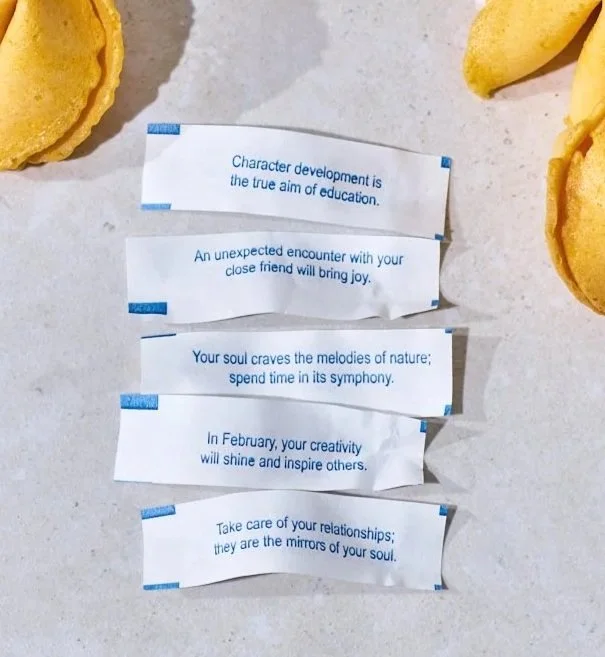
Who can resist their crunch texture along with the joy of finding wise messages inside? Not us!
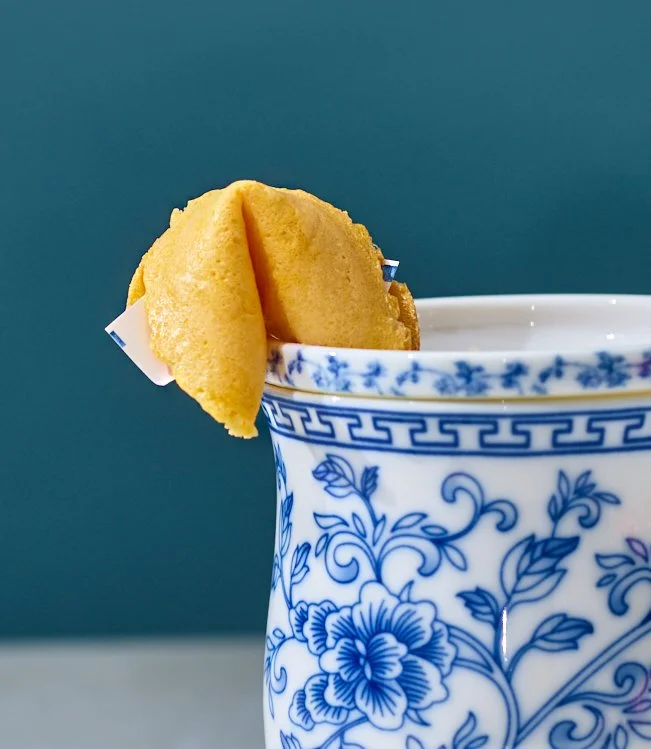
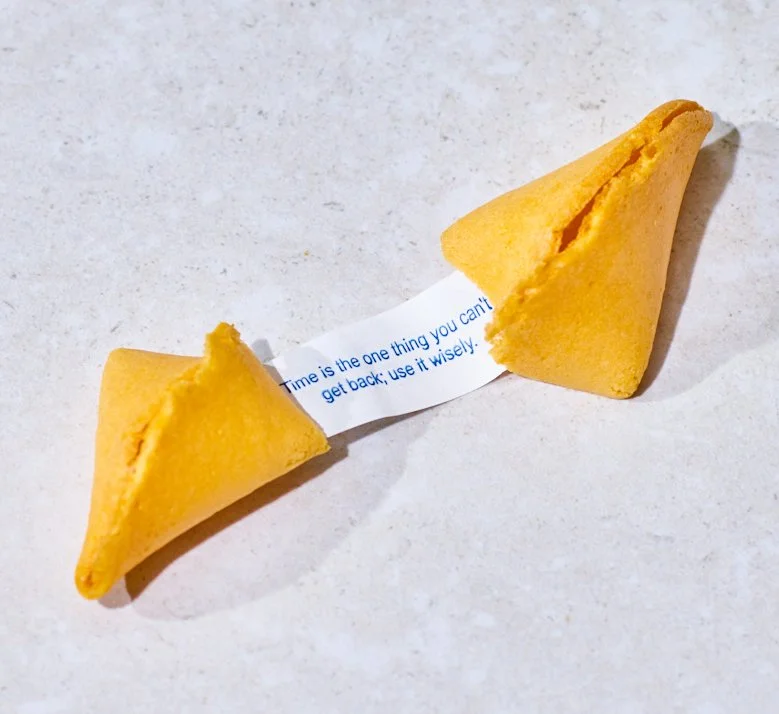
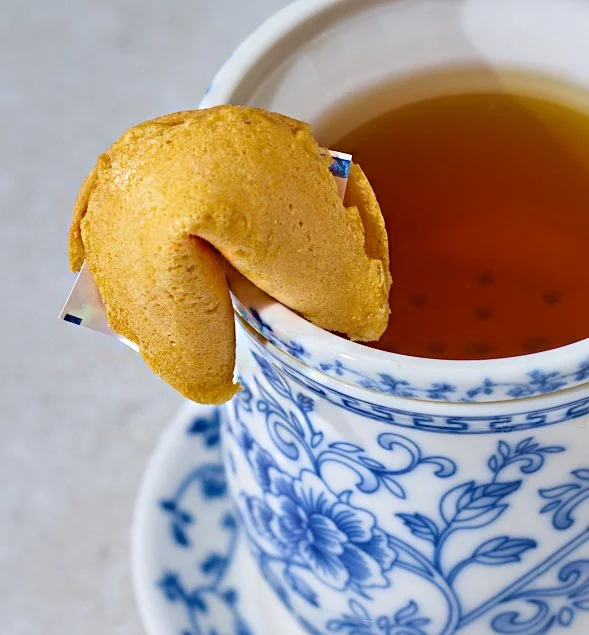
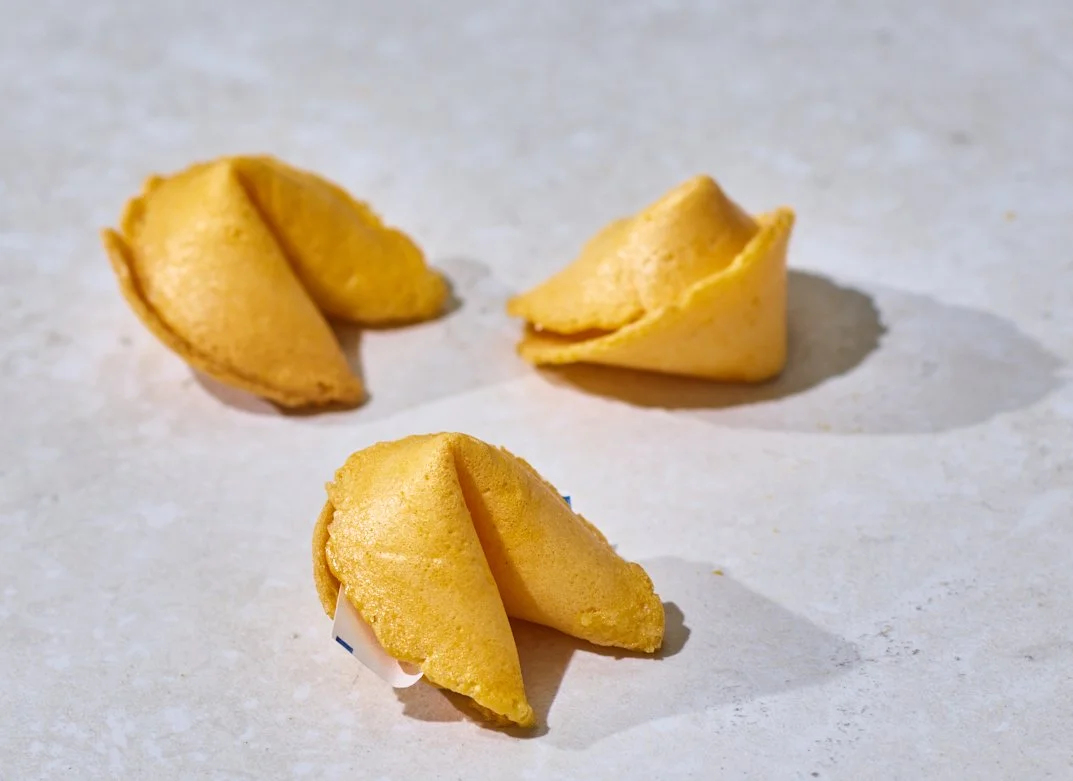
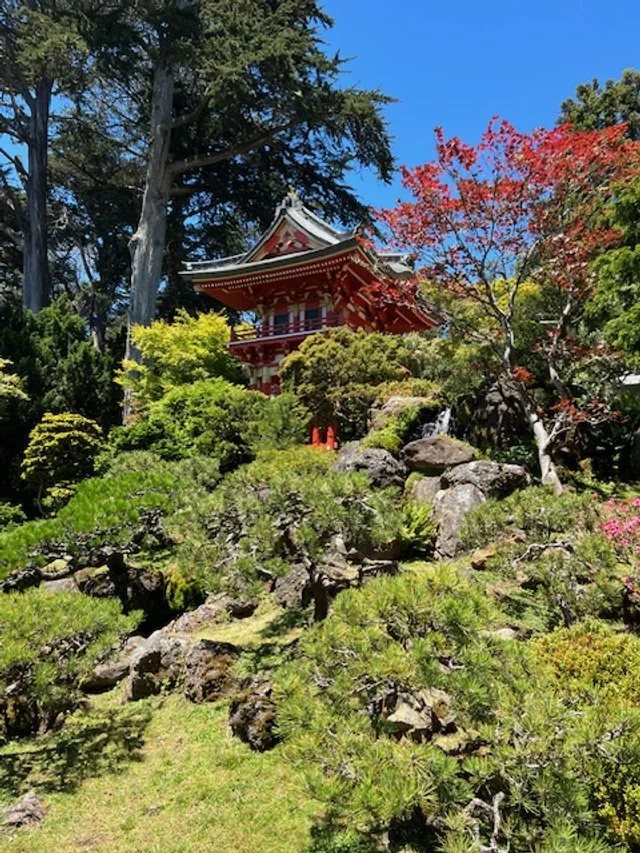
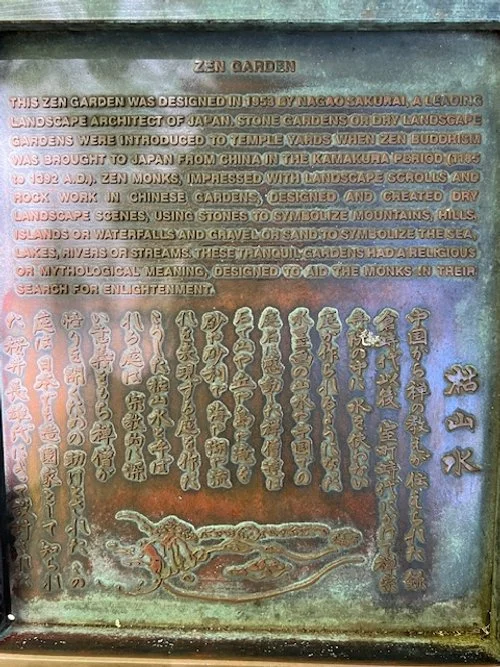
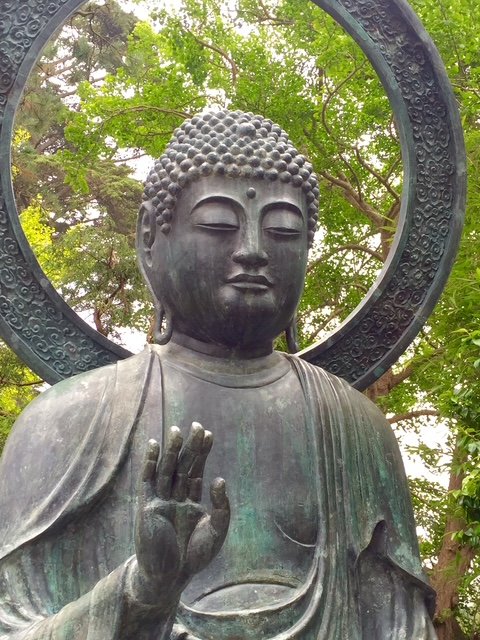
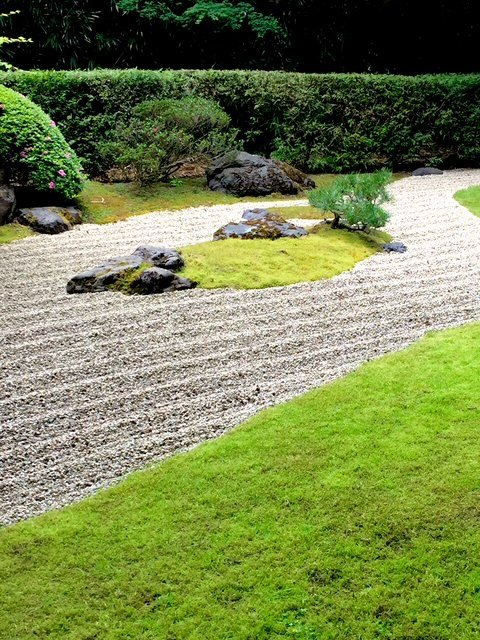
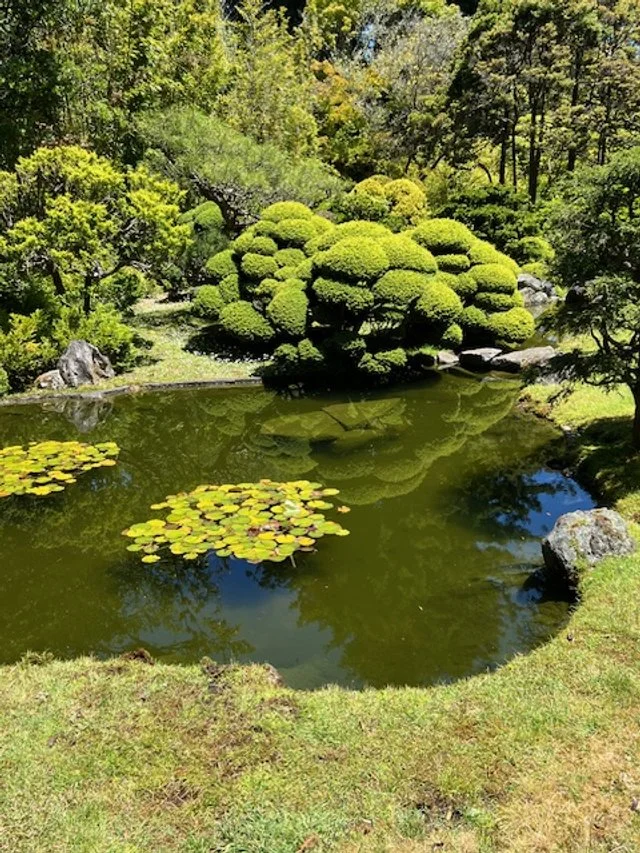
Japanese Tea Garden in Golden Gate Park, San Francisco, CA, where the fortune cookie originated.
Golden Gate Fortune Cookie Factory, Chinatown, San Francisco, CA