
While sourdough bread itself traces its origins back to ancient Egypt, its unique prominence in California began during the 1849 Gold Rush, when it became a staple for gold miners who valued its durability and the ease of keeping a starter alive with just flour and water in their camps. The famously cool, foggy climate of San Francisco proved to be an ideal environment for the specific wild yeasts and bacteria to thrive, giving the local bread its distinctly tangy flavor that helped establish its reputation. French and Italian immigrant bakers, such as the founder of Boudin Bakery in 1849, perfected the technique and solidified San Francisco's association with the iconic, tart loaf that remains beloved today.
What makes San Francisco sourdough distinctive is the local culture of wild yeast and bacteria in the starter; one of them, a bacterium named Lactobacillus sanfranciscensis, was first identified here and gives the bread much of its signature tang. A starter is simply flour and water left to capture these wild microbes, then fed and kept alive, and a few San Francisco bakeries claim starters that go back to the Gold Rush.
To bake your own, first build a starter: mix equal parts flour and water and feed it daily until it is bubbly and active, usually about a week. Then combine the ripe starter with flour, water, and salt, let the dough rise slowly, shape it, and bake in a very hot oven for a crackling crust.
Sources and notes: Sourdough became San Francisco’s signature bread during the 1849 Gold Rush; Boudin Bakery dates to 1849, and the bacterium Lactobacillus sanfranciscensis is named for the city. (Wikipedia, Sourdough; Boudin Bakery.)
See more of our fine art work, or book a free call to plan your shoot.
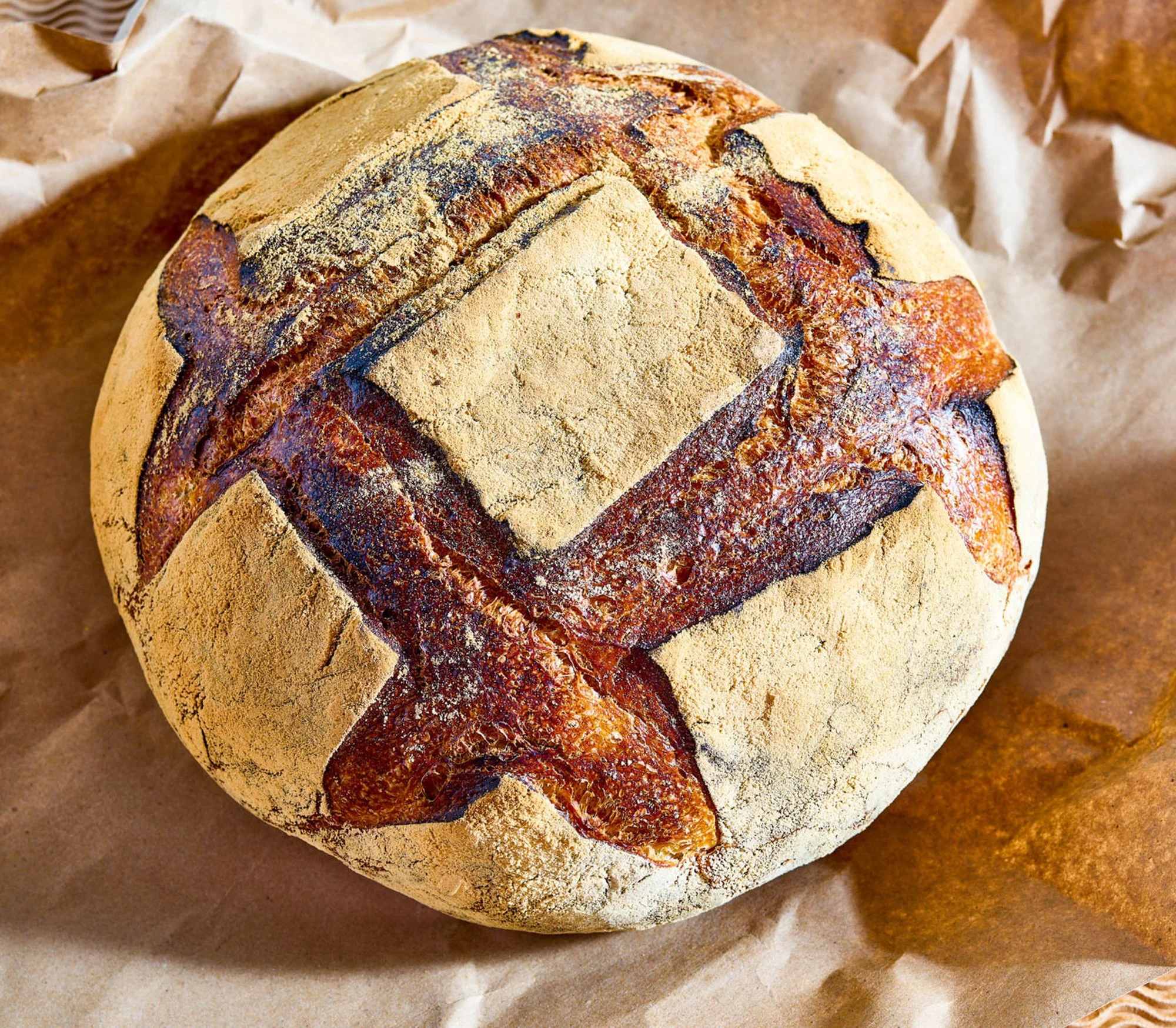
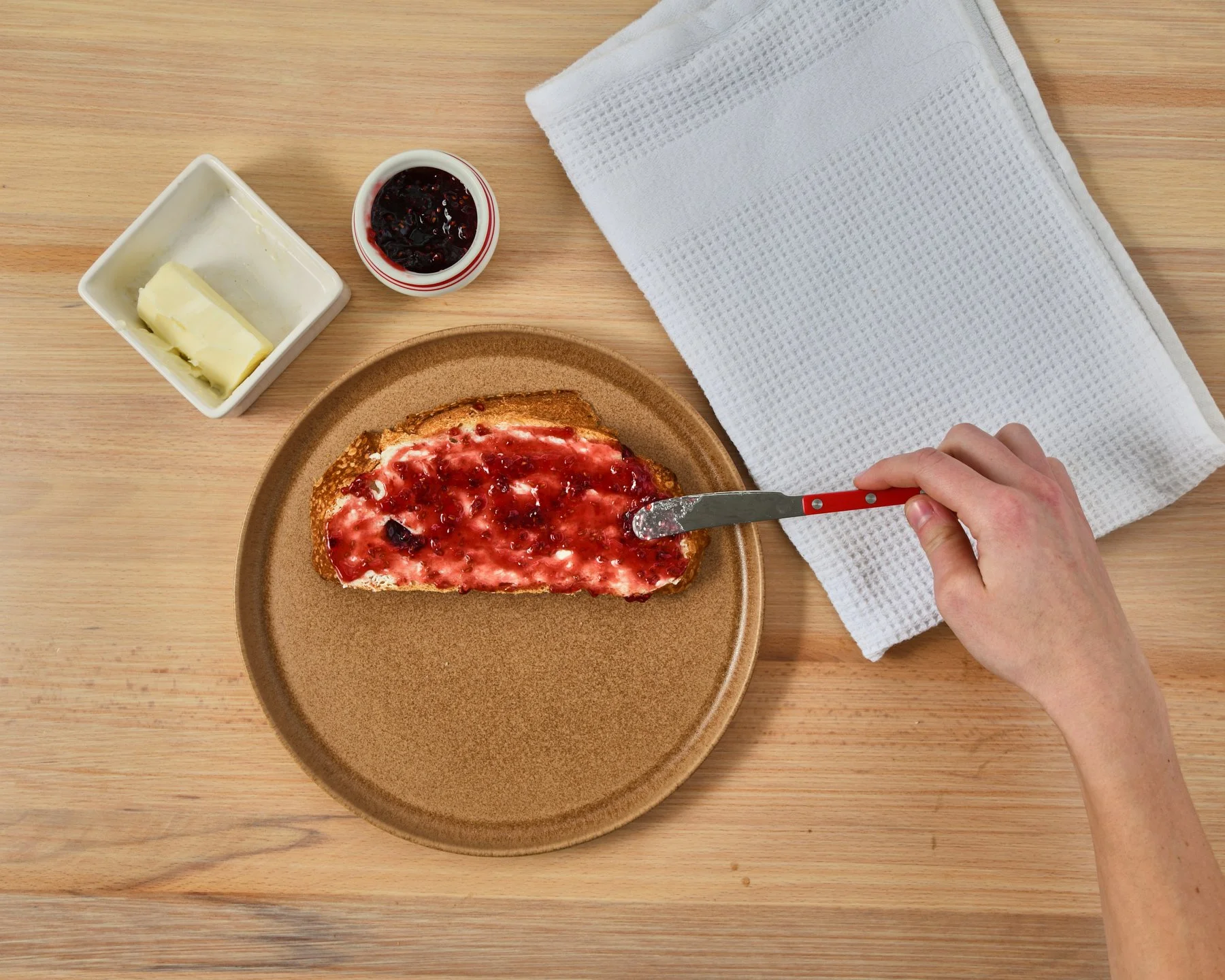
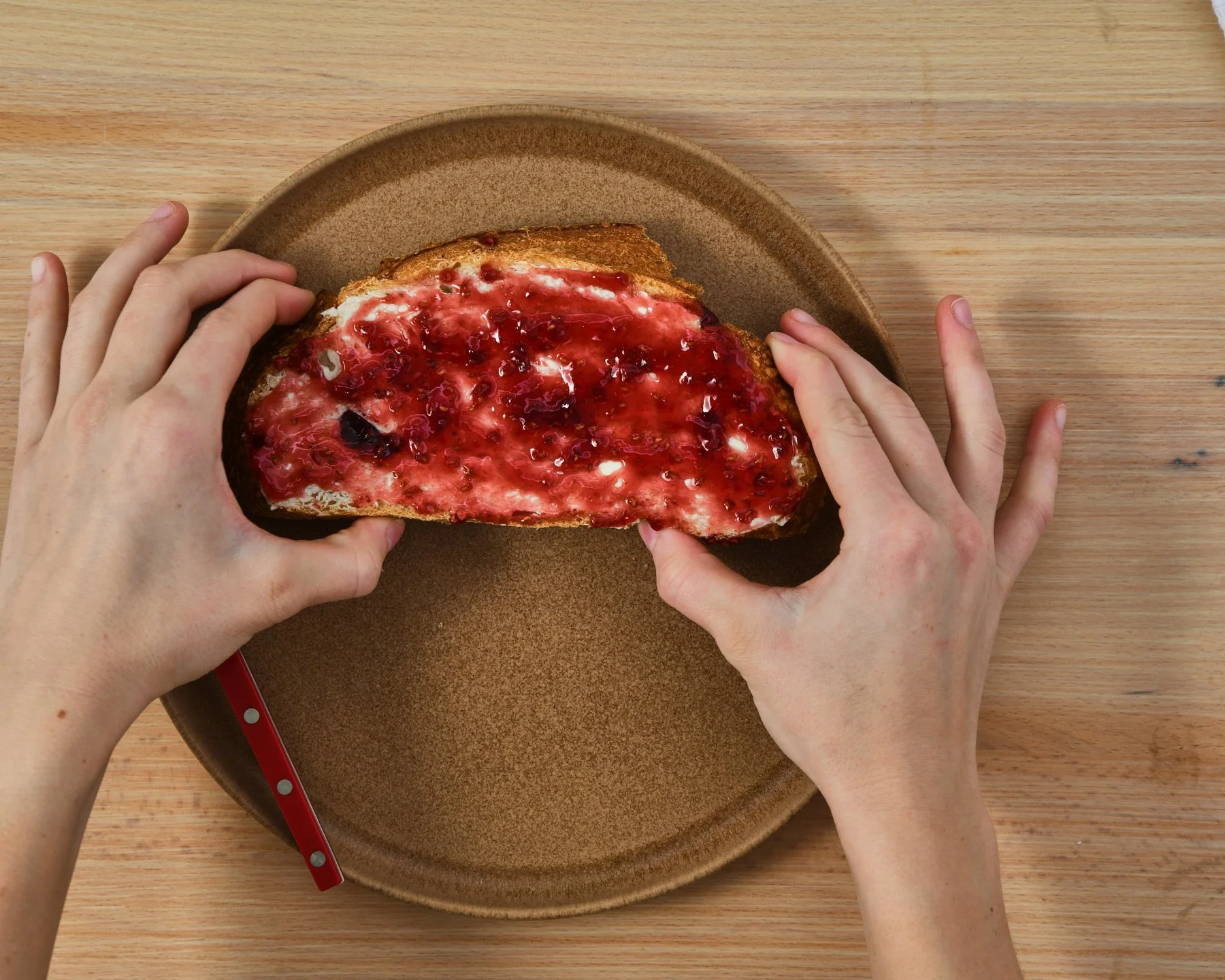
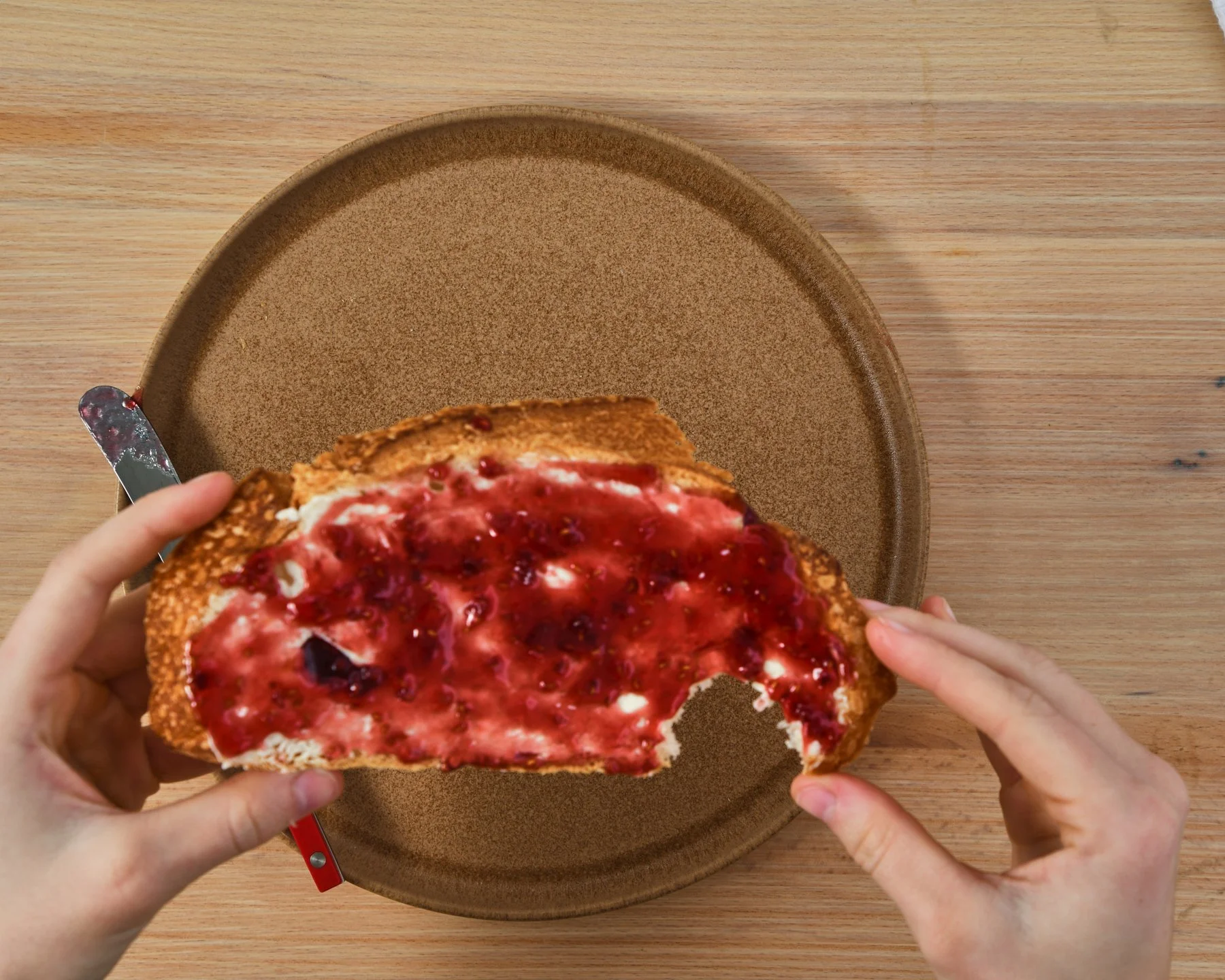
Sourdough from Bouchon Bakery, Yountville, CA
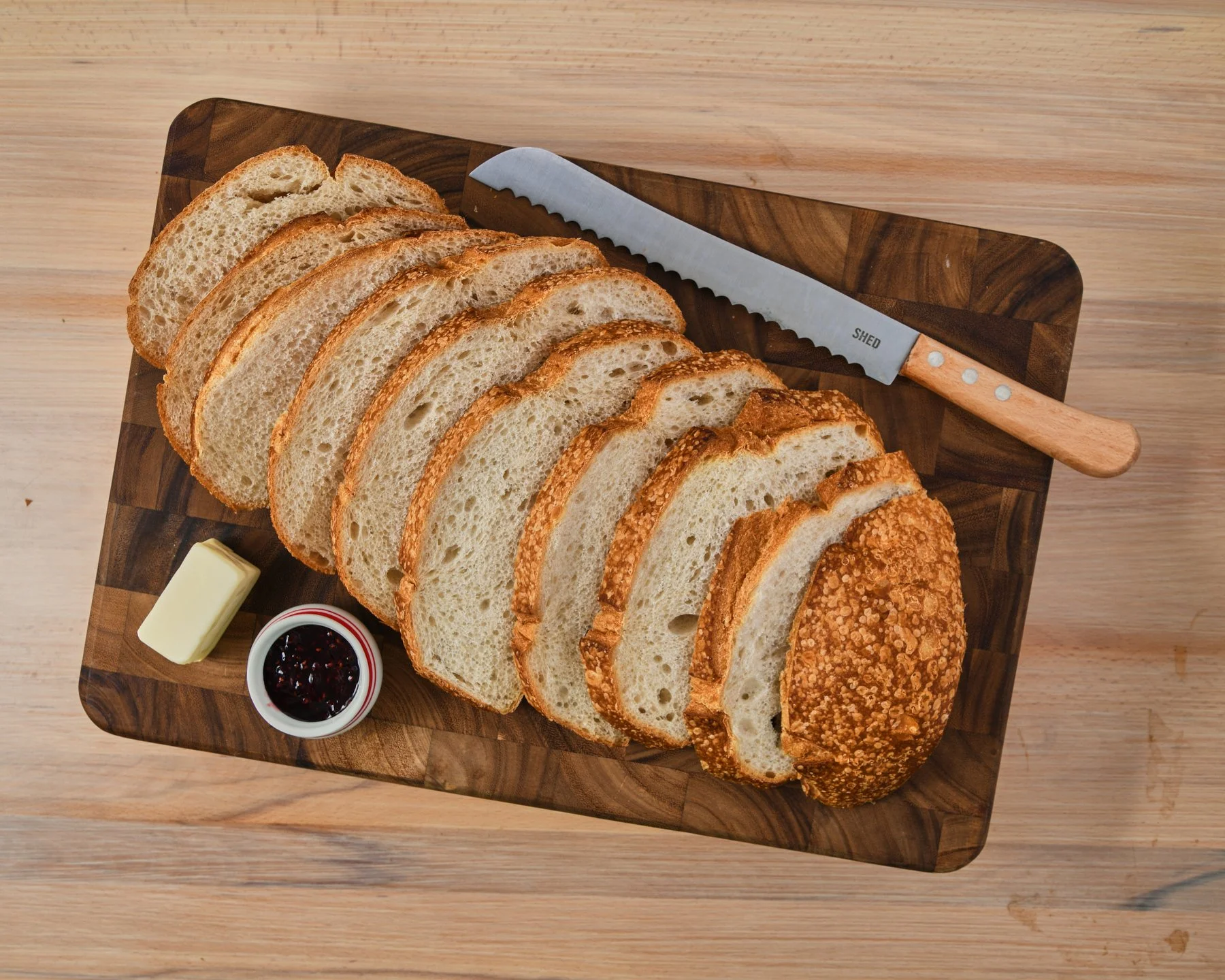
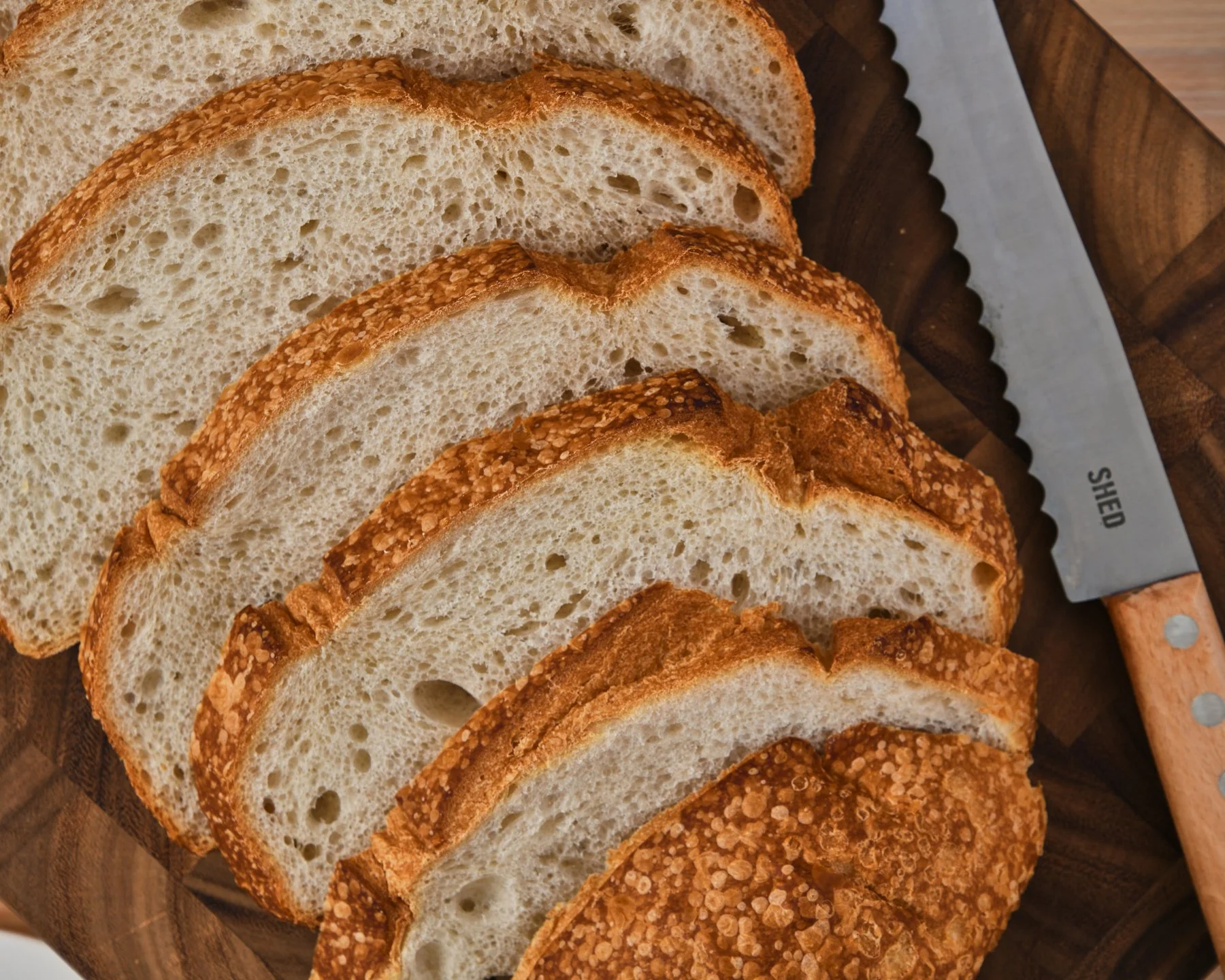
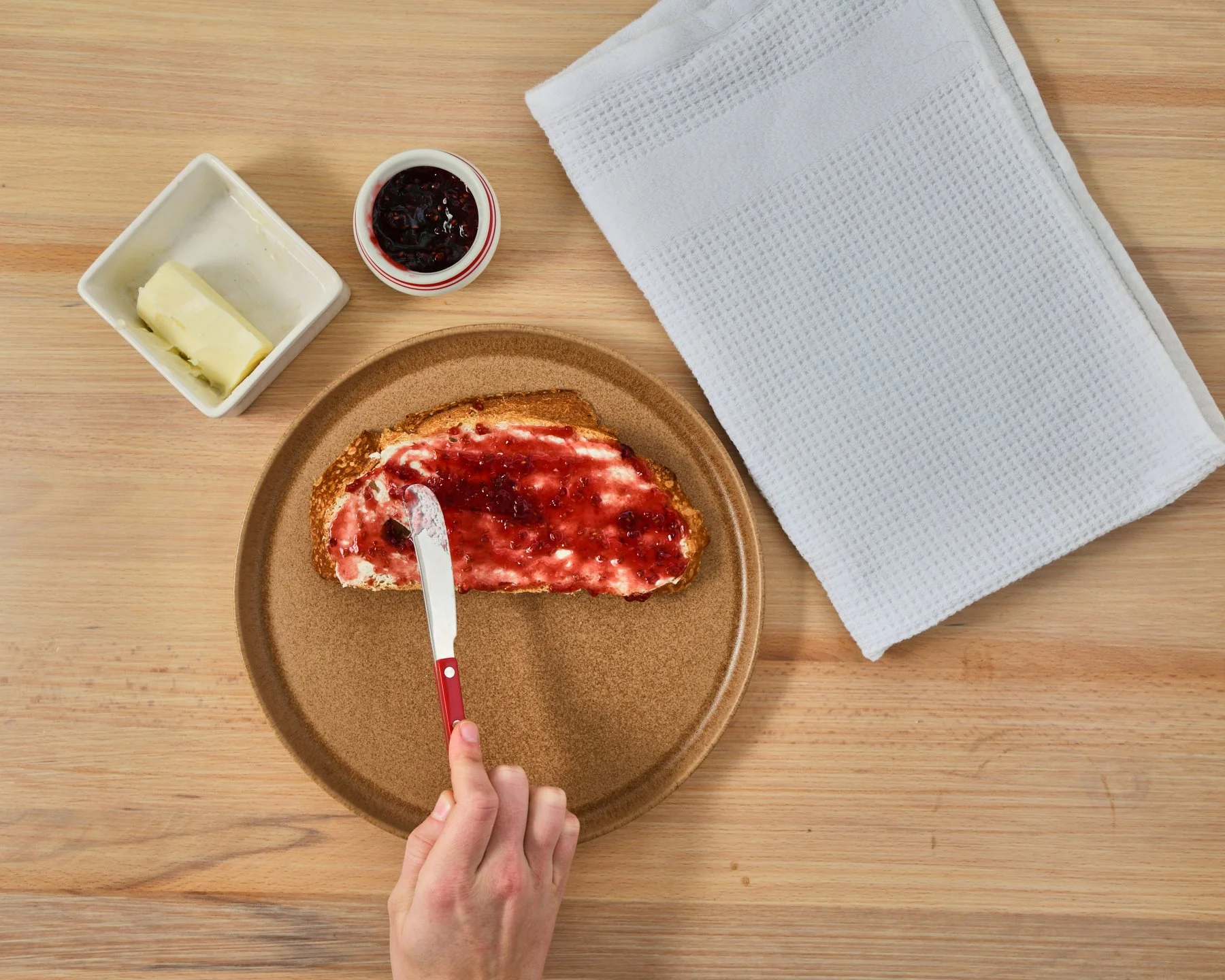
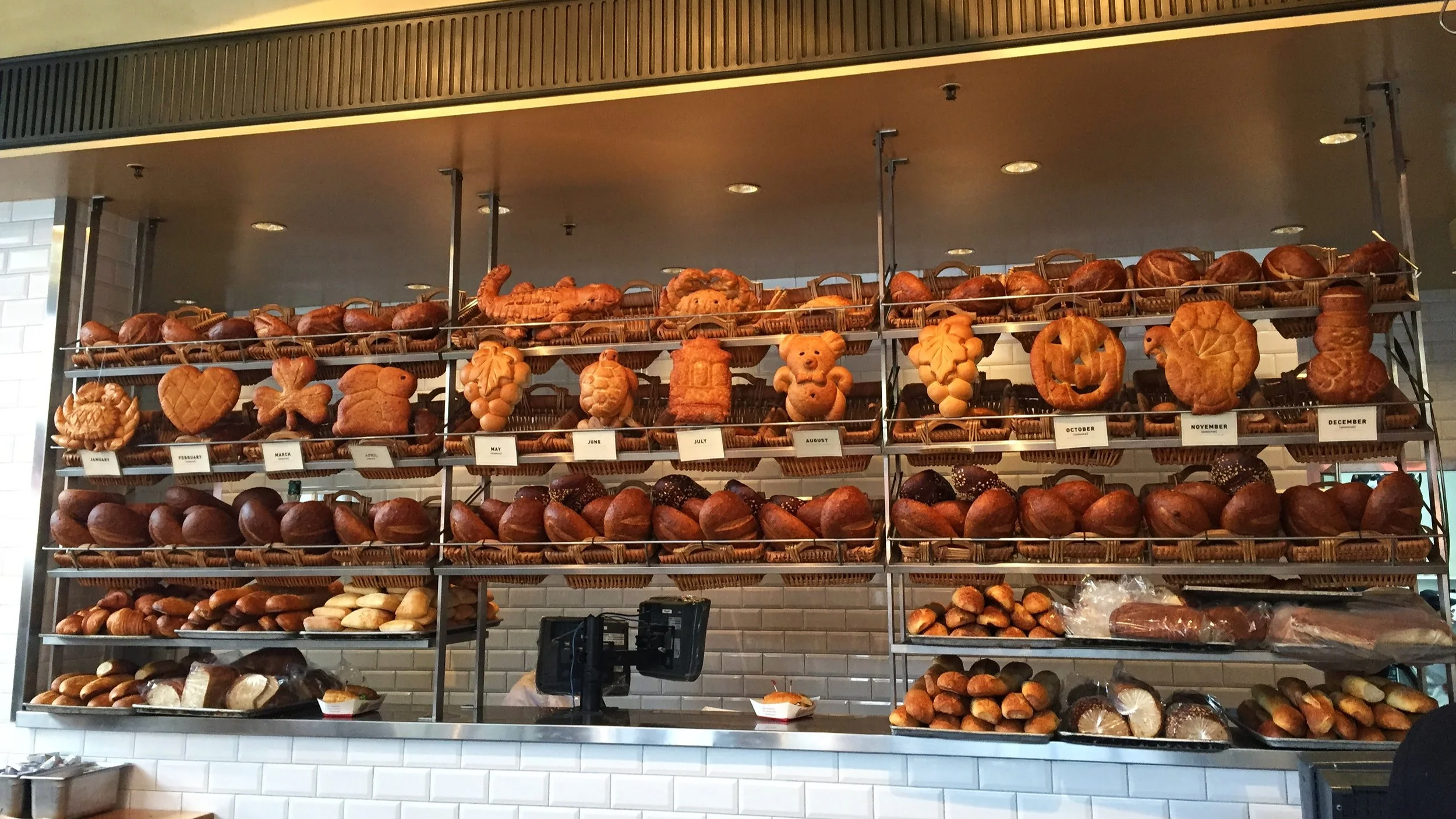
Boudin Bakery in Fisherman’s Wharf in San Francisco, CA